Browsing Category

Yoga & Vedanta Philosophy

Kena Upanishad Yoga & Vedanta Philosophy

Uma Devi: A Feminine Light for Navratri

October 8, 2025
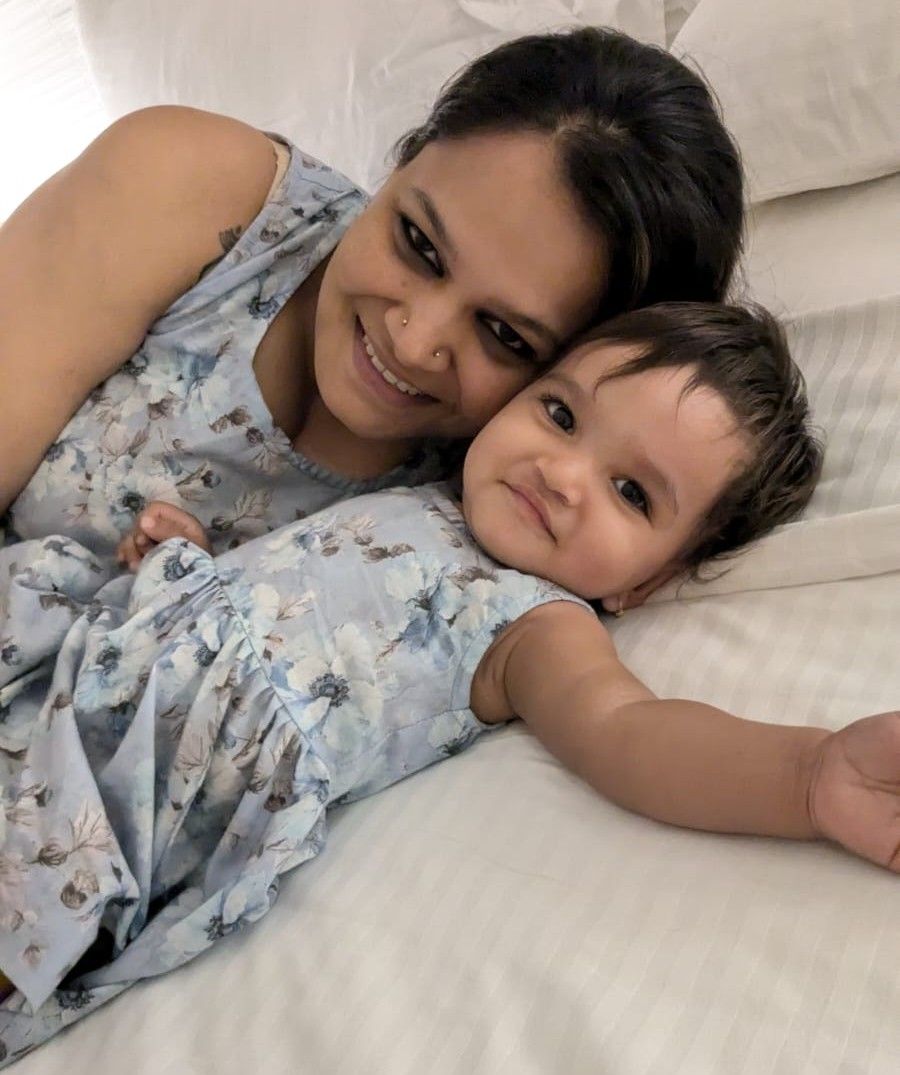
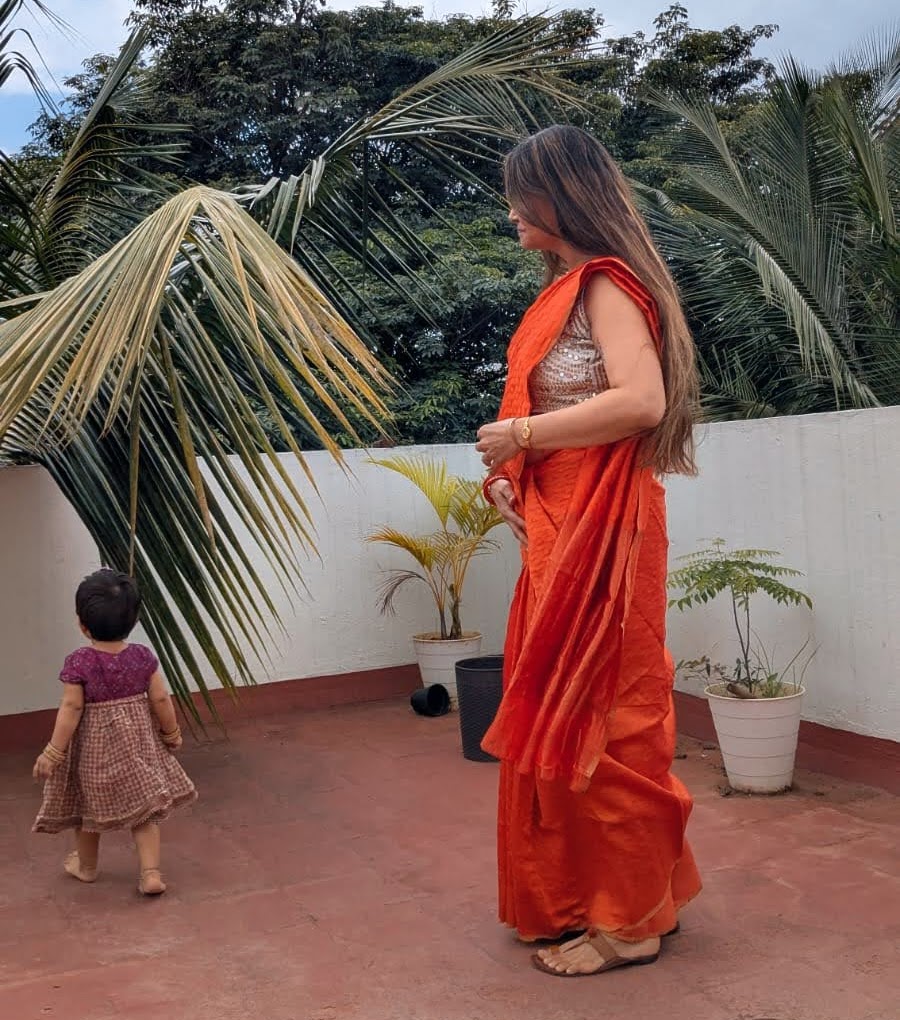
In service of my little goddess.

The Kena Upanishad

We’re almost done studying the Kena Upanishad in my Vedanta class. The Kena Upanishad is the third upanishad we’re reading (after the Katha and Mundaka) and the 5th Vedantic text (including the Bhagavad Gita and Tattvabodha).  This text delves into the nature of Brahman, and through the dialogue format common to Hindu scriptures, helps the reader understand that the Self is Brahman. For the last few weeks we’ve been discussing a story that comes in the third canto of the text. It’s a story about the demi gods becoming proud of their strength after winning a battle. In this story the Guru appears as a woman, Uma Devi. This story is relevant during Navratri, when we worship the various manifestations of Durga. I was also pleasantly surprised to find a literary example of a female Guru.

Continue Reading

Yoga & Vedanta Philosophy

3 Lessons From 5 Years of Vedanta Study

October 8, 2025
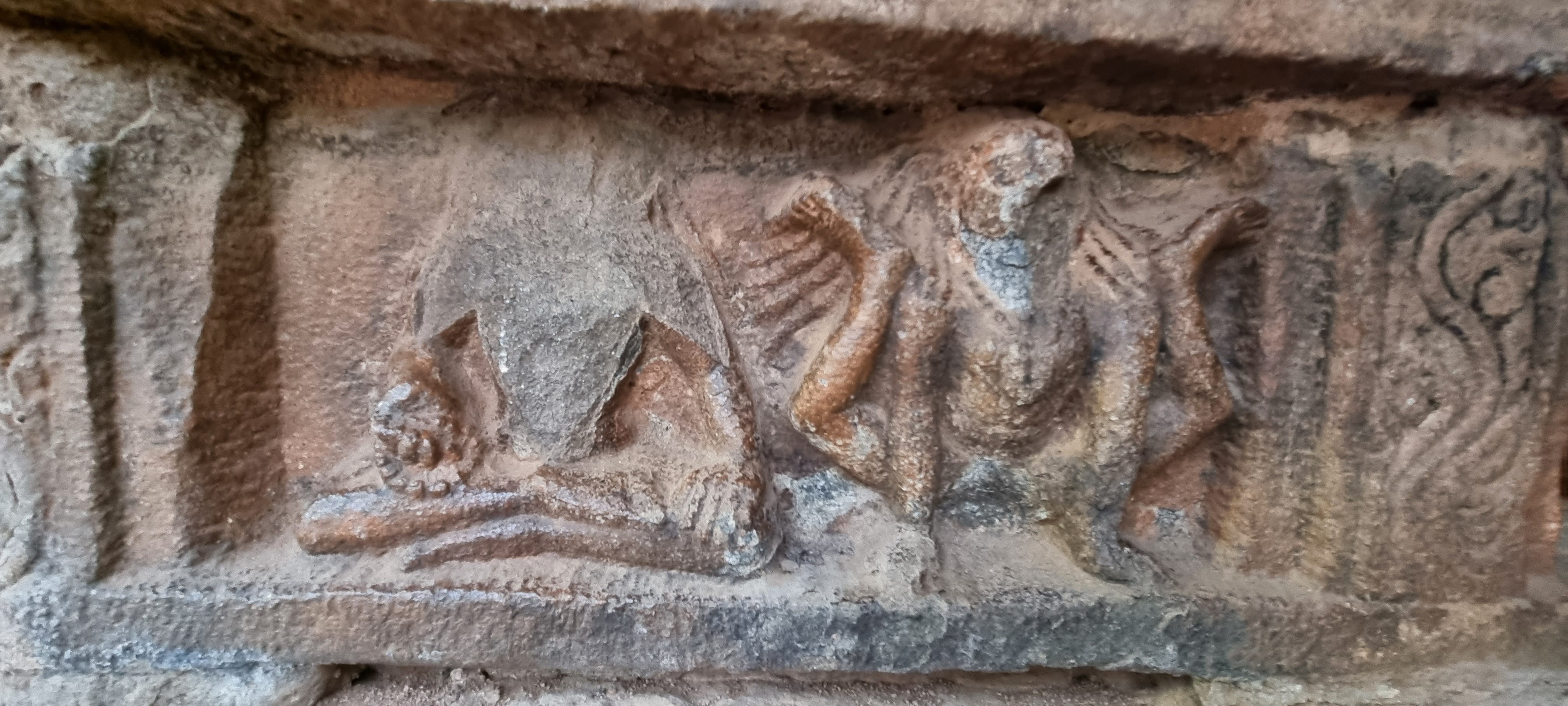
On the walls of te Sringeri Matha temple.

My Vedanta Journey So Far

I’ve been studying Vedanta since 2020, when I began my master’s program, which is where I met my teacher.  The first text we studied was Tattvabodha, then the Bhagawad Gita…and a couple of Upanishads later, we’re now almost done with the Kena Upanishad. My Vedanta study is in the guru-shishya style – Subhadra ma’am is a direct disciple of Swami Dayananda Saraswati, and she teaches us just like she learned from him. When she asked me to start teaching, her directive to me was the same – teach everything I’ve taught, just like I’ve taught you. Learning in this style is slow but steady. Brahman, Aatma, guru etc are some of the the cornerstones of Vedantic philosophy, and my understanding of these ideas continues to evolve as I deepen my studies.

Subhadra ma’am often says that the subject of Vedanta is the Self. Everything we study, every concept, every story is relevant to  our experience as human beings. Once this is clear, then Vedanta becomes a lived subject. Here are a few concepts that are the cornerstones of the Vedantic path. These concepts form just a small part of what we explore in class, and I know my grasp of them will continue to mature as the study unfolds.

Three Key Lessons from My Vedanta Journey

Continue Reading

Pregnancy/Parenting Notes Travels Yoga & Vedanta Philosophy

A Shopaholic Mom Wonders – How Much Is Too Much?

September 5, 2025
Practicing mindful parenting in Sri Lanka.

The “Problem” of Plenty

As people who can provide for their children, we’re constantly grappling with the question: how much is too much when it comes to things? I believe that’s at the heart of conscious parenting, making intentional choices rather than giving in to excess. From the moment Kalindi was born, there’s been no dearth of clothes, toys and general stuff. I remember thinking, we had enough things to last until she started school. A year and a half later, I know that to be true.

A friend of mine used to lament that her family was plagued by ‘the problem of plenty’. Every time I heard her say that, something inside me would instinctively recoil. I wondered how she could complain about having too much in a world where people struggled for the basics. I’d flinch every time I heard, hoping one day she would see the light and find a solution for her so-called ‘problem’.

Continue Reading

Yoga & Vedanta Philosophy

Draupadi’s Disrobing & Our Dharma Today

August 19, 2025
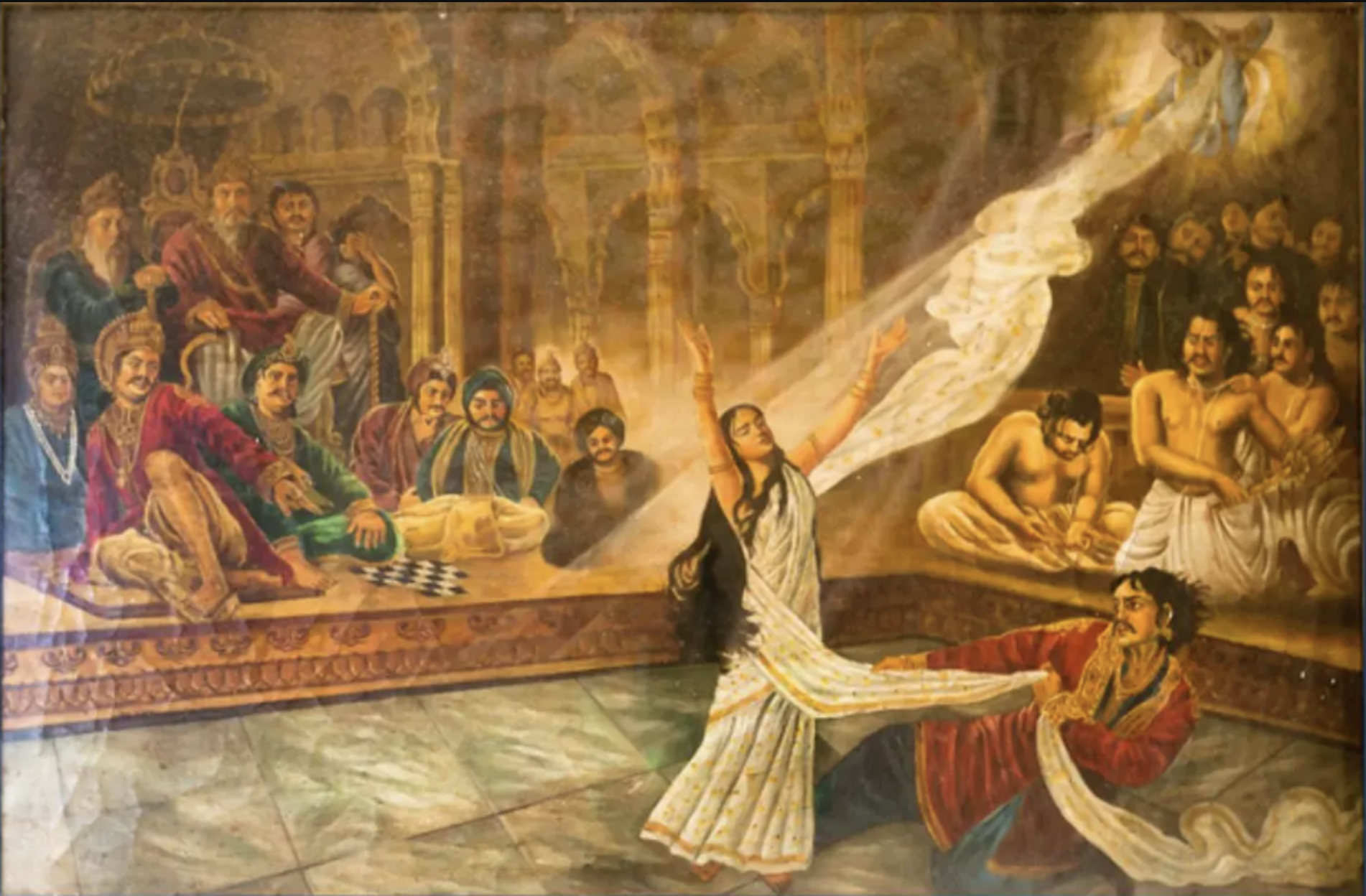
Draupadi’s disrobing in Mahabharata illustration – Vedanta reflection

Now that I teach Vedanta, many students ask me how I got into it. Most are surprised to know that I didn’t grow up with the stories and mythology of Hinduism. In fact, I grew up in a house where even rituals weren’t given too much importance. Religion was always present, but always in the background. It was quiet in its dignity, accepted and unchallenged.

I believe this gives my teaching a freshness which is what prompted my teacher to encourage me to teach, despite a life lived largely away from the culture and birthplace of Vedanta darshana. My approach to Vedanta is shaped by my approach to literature, where we endeavor to understand ourselves and our lives though the characters we are reading. A student of literature analyses and empathises, and in the process learns how to to think critically about human values and behaviour and to even make allowances for human nature.

Which is why when we started studying the Bhagavad Gita and my teacher told us to put ourselves in Arjuna’s shoes, I slid seamlessly into them. And once I did, the Gita came alive for me.

Continue Reading

Asana Yoga & Vedanta Philosophy

51 Minutes of Contemplation : A Guru Purnima Yoga Class

July 24, 2025
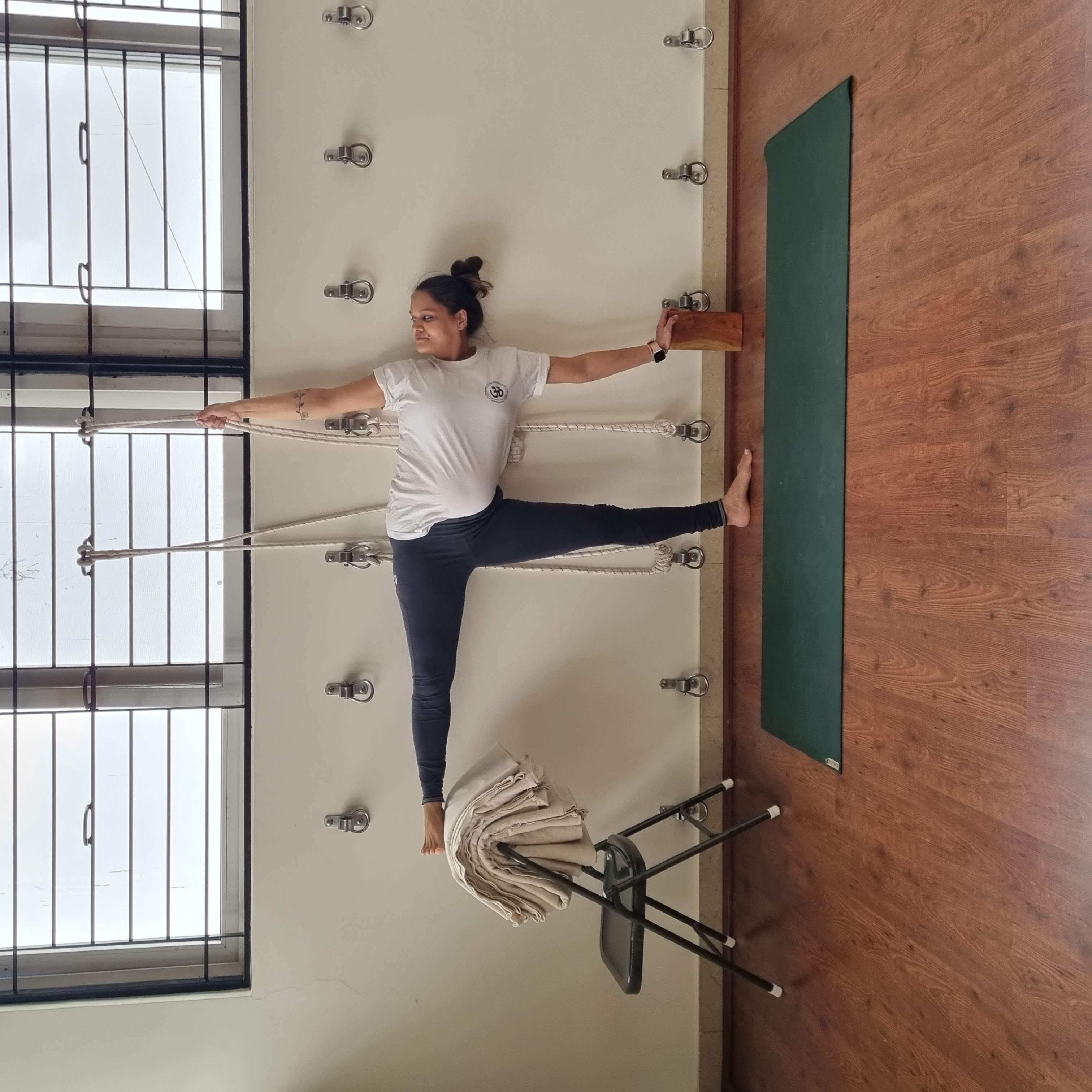
My prenatal yoga practice was a tribute to my gurus.

“Do we have to give a gift to our gurus on Guru Purnima?” Ambika asked me, curious about the guru parampara.

“Some people do,” I said. “But it’s not mandatory.”

Is it possible to thank a guru for all they’ve done? As students what can we do for our gurus? What can we give our guru as a guru purnima offering?

After spending more than a decade within the guru parampara I realise now that the question isn’t what to give our gurus, the question is how do we honor our gurus?

Perhaps by living our lives in service to the words, the ideas, the movement and the philosophies they have taught us so that they live on in our bodies, minds and consciousness, and the guru parampara remains an unbroken chain. Continue Reading

Yoga & Vedanta Philosophy

The Guru’s Light: Remembering Sharath Jois

November 18, 2024
vande gurūnām...

vande gurūnām caranāravinde….

I got the news of Sharath’s passing early morning on a Tuesday.  In this age of AI and fake news I thought it was fake news.  But as the truth settled in, so did an unexpected and profound sense of loss.  Even though I had only met Sharath in passing (during my brief brush with Ashtanga Yoga in Mysore), I feel strangely bereft, as though the loss was personal.

I’ve followed the Ashtanga lineage closely and have drawn inspiration from countless teachers within it.  I have many friends who are devoted to the Ashtanga yoga practice.  As practitioners we never think of teachers as human, bound by the same mortality that binds us all.  The passing of legends is a vivid reminder of life’s impermanence.  As history shifts and the ground beneath our feet starts to shake – I find myself asking how I want to step into the future.

Continue Reading

RIMYI Experiences Yoga & Vedanta Philosophy

The Ultimate Surrender – Intersection of Yoga & Vedanta

May 10, 2023

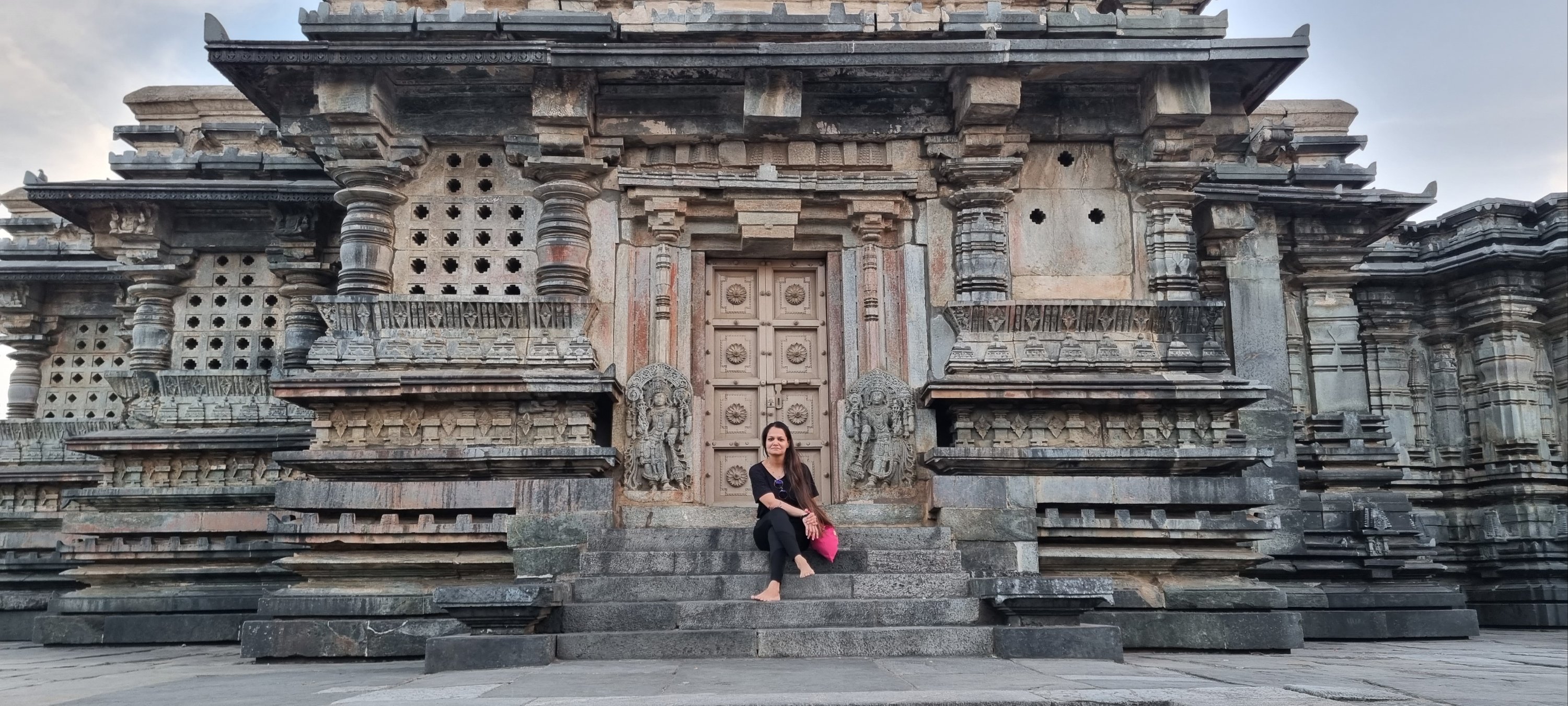
At the beautiful temples of Belur & Halebidu.

The philosophy of yoga and Vedanta sometimes intersect, and I love spotting this overlap in different classes.

During the last RIMYI class I took, Raya spoke about letting go.  When we talk about letting go of something, there is an assumption that you’re holding on to something.  It’s important to analyse this something.  How are you holding on to it?  Why are you holding on to it?  Once we analyse it, can we let it go?

To make it relevant to the asana practice Raya asked us to ask ourselves what we were feeling in the asana we were holding (Uttanasana).  What were we truly feeling?  Were we feeling our hamstrings hurting, or was the back hurting, or were we holding the abdomen too tight?  When you can identify what you are holding – you can begin to let it go.  “I let go of my back, I let go of my abdomen, I let go of….”  He asked us to do the same in Sirsasana, but focus on mental conditions/conditionings. He asked: Can letting go be voluntary?  Can we actively let go?

He gave us the example of how he came across a ratty old t-shirt when he was cleaning his cupboard.  Everyone tells you to let go of this old tee that you don’t even use anymore, but you can’t.  We need to understand that it’s not the object that we can’t let go – it’s the memories associated with it that we’re unable to let go.

What are we actually holding on to?  Can we analyse that similar to how we analysed Uttansana?  Mentioning yoga sutra 1.11 he asked us to ponder over what is the role of memory and cleansing the memory.  Can we actively identify and do something about?  Letting go of an old t-shirt is easier than letting go of memories.  Memories can be good, troublesome, traumatic, ecstatic.  How do we deal with this baggage of memories and how does it impact us?  Can we let go of attachment to the memory?  Can we actively let go of sad memories?  Going into parsva sirsasana he asked us to contemplate looking at the memory from a different angle.

अनुभूतविषयासंप्रमोषः स्मृतिः PYS 1.11

Memory is the unmodified recollection of words and experiences.


He spoke about two sutras that he would frequently speak to Guruji about:

सुखानुशयी रागः PYS 2.7

Pleasure leads to desire and emotional attachment.

दुःखानुशयी द्वेषः PYS 2.8

Unhappiness leads to hatred.

A person with a sense of discrimination should strive a balance between sukha and dukha instead of living a the mercy of these two.  There are so many triggers in life today – we are all used to certain manners, ways and customs.  But can we let go of getting triggered?  Raya told us that  us to actively open our drawers and pull things out and look at everything that comes out and ask ourselves if we are using it.  Have we been keeping certain memories in the cupboard, maybe even in the freezer.  And even in the freezer have they become rotten and started stinking?  Can we actively bring these memories out,  clean them up and throw them away?

How do we throw these memories away?  By turning it from klista to aklista.


वृत्तयः पञ्चतय्यः क्लिष्टाक्लिष्टाः PYS 1.5

The movement of consciousness are fivefold.  They may be cognizable or non-cognizable, painful (klista) or non-painful (aklista).

The fact that it happened remains, but the feeling associated with it goes.  Raya also stressed that we all want happiness, but we remember the sad things more – happiness has a shorter shelf life.  Happiness is like camphor or mercury – you can’t hold it, it evaporates.

Next in Sarvangasana, Raya asked us to finally consider what we can let of of intellectually.  He spoke of fear and how we’re all fearful of something.  But some are able to face their fear because they have practiced handling this fear.  Practice analysing your fears and insecurities – once analysed can we let them go?  After giving daanam in a temple, we pour water over our hands symbolically ‘washing away’ our attachment with what we’ve given.  We need to let go of claiming things – ‘I’ did this, ‘I’ own this etc.  The most difficult thing is to let go of this claim.  After letting go of these claims, can I let go of the ‘I’ itself?

When one moves from the grossest to the subtlest, neither the beginning is seen nor the end.

My Vedanta teacher always stresses the importance of balance in life.  It is important for us to seek pleasure, but also to accept that pleasure and pain come together.  As seekers we are encouraged to go after our dreams and desires, but we need to remember that the result of our pursuit depends on many factors.  Therefore, we can’t be swayed by victory or defeat, sukham or dukham.  We should pursue life according to dharma, and with the best of our physical, emotional and intellectual intent.  And surrender the results, fruits, fear and even happiness to a higher purpose.

What is left to surrender when I have surrendered everything?

My teacher explained the idea of surrender using verse 18.66 of the Bhagawad Gita.

सर्वधर्मान्परित्यज्य मामेकं शरणं व्रज |
अहं त्वां सर्वपापेभ्यो मोक्षयिष्यामि मा शुच: ||

In this shloka Lord Krishna is asking Arjuna for the ultimate surrender – the surrender of the ‘I’ or the ego.  Letting go of the ‘I’ in all the claims that I make.  Once I have surrendered everything, I surrender the ‘I’ too.  And in that way I merge with the One, the universal consciousness.
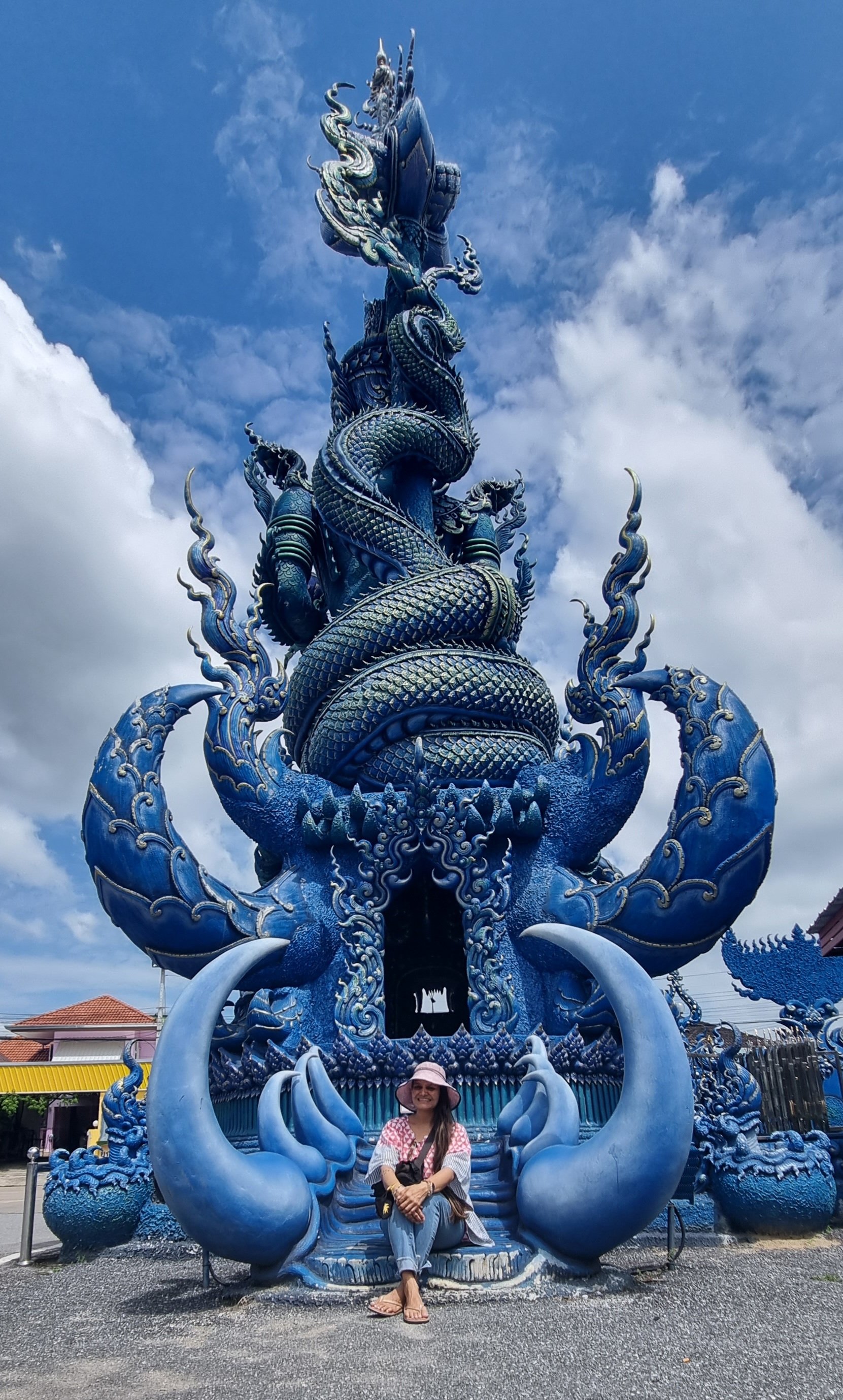
 

At the Blue Temple, Chiang Rai.
At the Blue Temple, Chiang Rai.
 

Yoga Yoga & Vedanta Philosophy

Happiness Is Not in the Gulab Jamun

September 15, 2019

Missing my Sunday runs around the Ulsoor Lake.

I’ve been working on completing assignments for my MSc. The one I’m working on now is about happiness and man’s quest for it.

Lately more and more people reach out to me to discuss how to feel better rather than look better. They are interested in the mental and emotional benefits, rather than the physical benefits of yoga.

According to the Upanishads all beings (humans and animals) are instinctively attuned to sukha prapti (to gain happiness) and dukha niviritti (to overcome the misery). It’s this instinct that drives us. A penthouse, a limited edition car and an exclusive gym membership are the stuff dreams are made of, yet happiness still eludes us. Retail therapy isn’t getting us any closer to sukha prapti.

Psychosomatic conditions are rising at an alarming rate. We’re buying more than ever before but we’re also more sad. If only it was possible to buy away depression. We pin our hopes for happiness on objects of enjoyment and come away disheartened.

The Upanishads dealt with this question centuries ago. They state that man is in search of Reality and Happiness. This search yields answers to question such as the meaning of life, the goal of life and truth. It can drive away existential angst.

So whether it is eating gulab jamuns, getting the latest mobile phone or going on an expensive vacation, we want these because we feel these fulfill a deep seated need within us.

As my Vedas professor lectured: Whether it is eating gulab jamuns, getting the latest mobile phone or going on an expensive vacation, we want these because we feel these fulfill a deep seated need within us. We also want promotions, awards and praise. But the 50th gulab jamun doesn’t taste as good as the first one. The mobile phone loses it’s charm when the next version comes out. A vacation ends. And the desire for awards and promotions is never ending. Happiness is not in the gulab jamun or the mobile phone. Happiness shouldn’t be ephemeral like a vacation.

If only we could prolong the feeling of gastronomic delight of that first gulab jamun, of the excitement of the penthouse and car. Meditation is nothing but the prolonging of that state of bliss. Our happiness is always in response to an external event or object, and so it disappears in the absence of that stimulant. The Upanishads liken bliss to the musk of the musk deer. The deer searches the entire forest for the source of the glorious scent, and ultimately finds that he is the origin. Similarly, our happiness may be stimulated by something external, but the origin of the bliss is within us and therefore always accessible. To connect with this bliss you need to silence the citta vritti (the fluctuations of the thoughts in the mind).

The Upanishads have stated that yoga (beyond just the asanas) is the solution. The Gita states: yoga citta vritti nirodah. Yoga is the cessation of the fluctuations of the thoughts in the mind. When the fluctuations cease, silence pervades. And through this silence you can discover your bliss.

Happiness according to Vedic texts

Taittiriya Upanishad: When speech recedes and the mind reaches not there, one realizes Ananda, the Brahman; there he fears not.

Bhagvad Gita: Mind calmed down, sinless, all passions subdued, the Yogi establishes himself in the state of Brahman, the Supreme happiness.

Brahma Sutra: Brahman is Ananda, as repeatedly emphasized in the Upanishad.

Travels Yoga & Vedanta Philosophy

Salubrious climes….of Wellington

June 7, 2012
Salubrious climes!

Last night I decided to go for a walk amongst the hills and realized just how important it is to commune with nature once in a while.  In the hills you hear different kinds of birds, you see deer running across the road (yes we did!), you see langurs and monkeys and most of all you see the hill people.  They are wiry but strong, they have clear complexions, an easy manner, ever ready to guide lost newcomers.  They glide through the hills comfortably and with a spring in their step to boot!  Is it possible to imbibe this demeanor of the hills people?  Is their easy gait just a result of walking through the hills daily?  I think the answer lies in something much more deep than that.  People here in Wellington live in a plastic bag free zone.  They recognize the importance of taking care of their environment right now to reap the benefits in the years to come.  They carry paper bags everywhere and encourage you to carry your shopping in your own cloth bags.  This love for nature also fosters of sense of harmony.  And when you live in harmony it manifests as peace.  And that is what you see in the hills people.  They walk in complete contentment.  They do their bit for the hills and in turn the hills provide them with fresh air, plenty of exercise and beautiful verdant views.  I look around myself and I’m unable to believe that I get to live amidst such beauty and unadulterated nature.  Because nature is so bountiful, it makes me want to do my bit.  And I will.  On my walks I will stop to smell the roses (or whatever flowers exist in these hills).  I will be careful not to use any more plastic bags or bottles.  A friend of mine has started using her empty wine bottles to store her water.  Excellent initiative.  I will try to walk or use my bicycle to travel around these beautiful hills of Wellington.  And most of all I will be thankful that I will get a chance to expand my practice in the lap of nature itself.

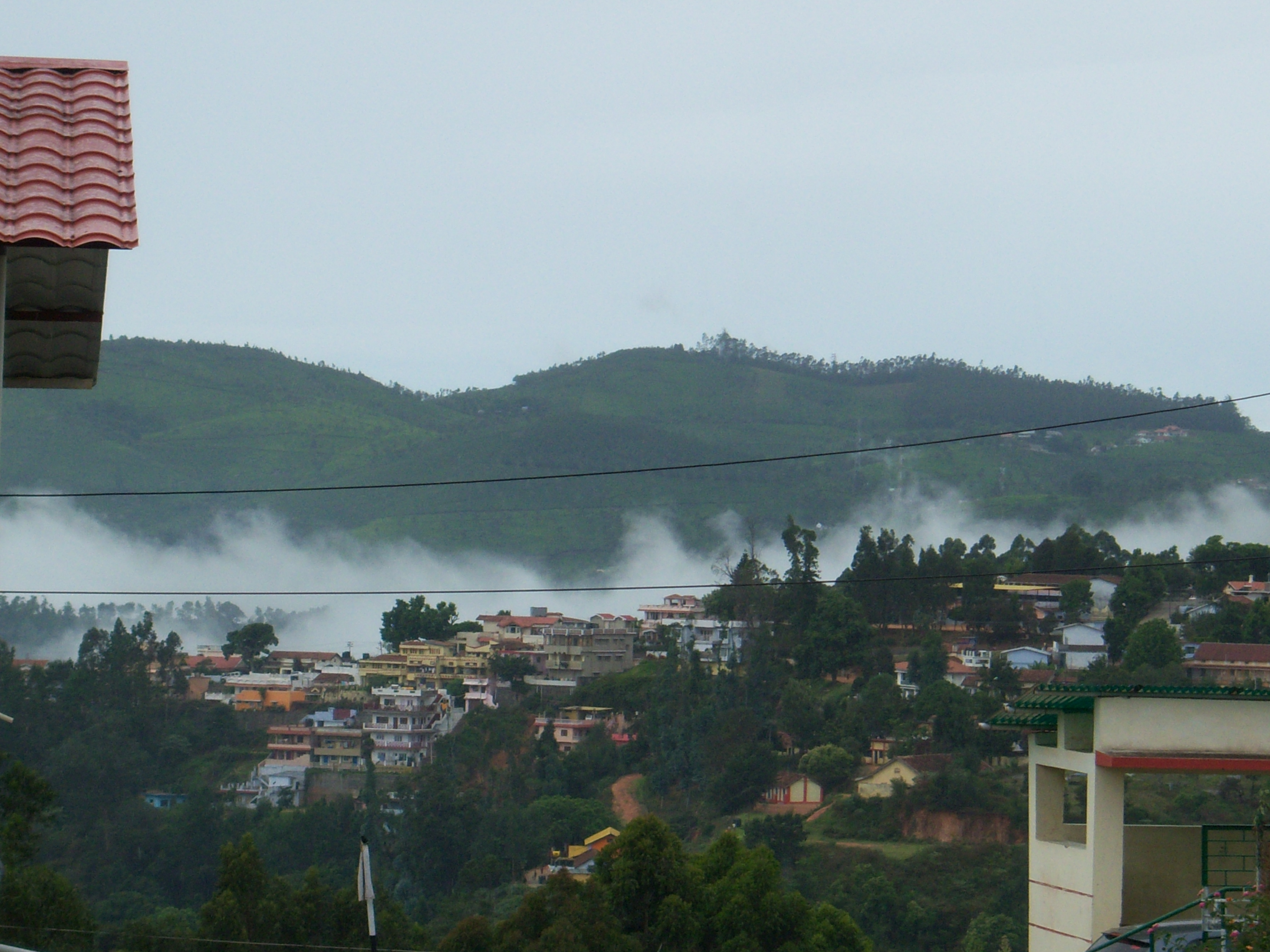
I tried to capture pictures of the mist rising through the mountains from my balcony this morning.

Image