Pragya Bhatt | yogawithpragya

Browsing Category

Yoga & Vedanta Philosophy

Yoga & Vedanta Philosophy Kena Upanishad

Uma Devi: A Feminine Light for Navratri

October 8, 2025
In service of my little goddess.

The Kena Upanishad

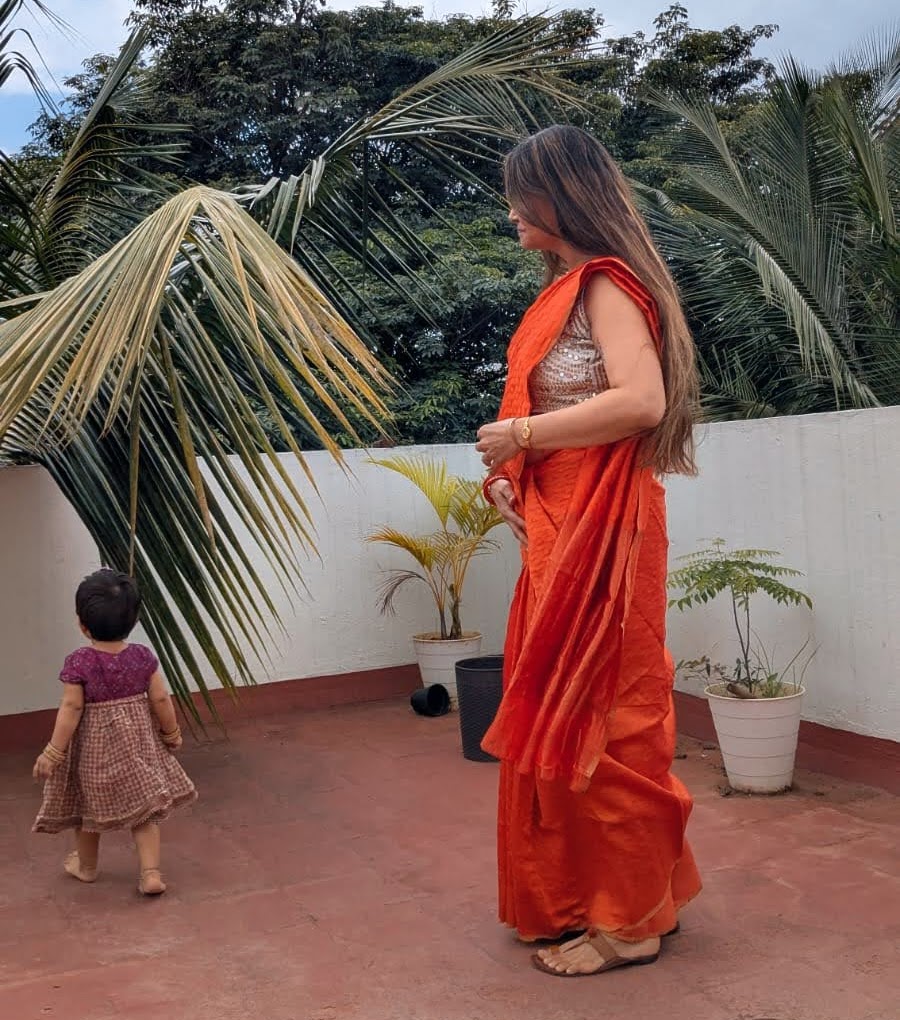
We’re almost done studying the Kena Upanishad in my Vedanta class. The Kena Upanishad is the third upanishad we’re reading (after the Katha and Mundaka) and the 5th Vedantic text (including the Bhagavad Gita and Tattvabodha).  This text delves into the nature of Brahman, and through the dialogue format common to Hindu scriptures, helps the reader understand that the Self is Brahman. For the last few weeks we’ve been discussing a story that comes in the third canto of the text. It’s a story about the demi gods becoming proud of their strength after winning a battle. In this story the Guru appears as a woman, Uma Devi. This story is relevant during Navratri, when we worship the various manifestations of Durga. I was also pleasantly surprised to find a literary example of a female Guru.

Continue Reading

Yoga & Vedanta Philosophy

3 Lessons From 5 Years of Vedanta Study

October 8, 2025
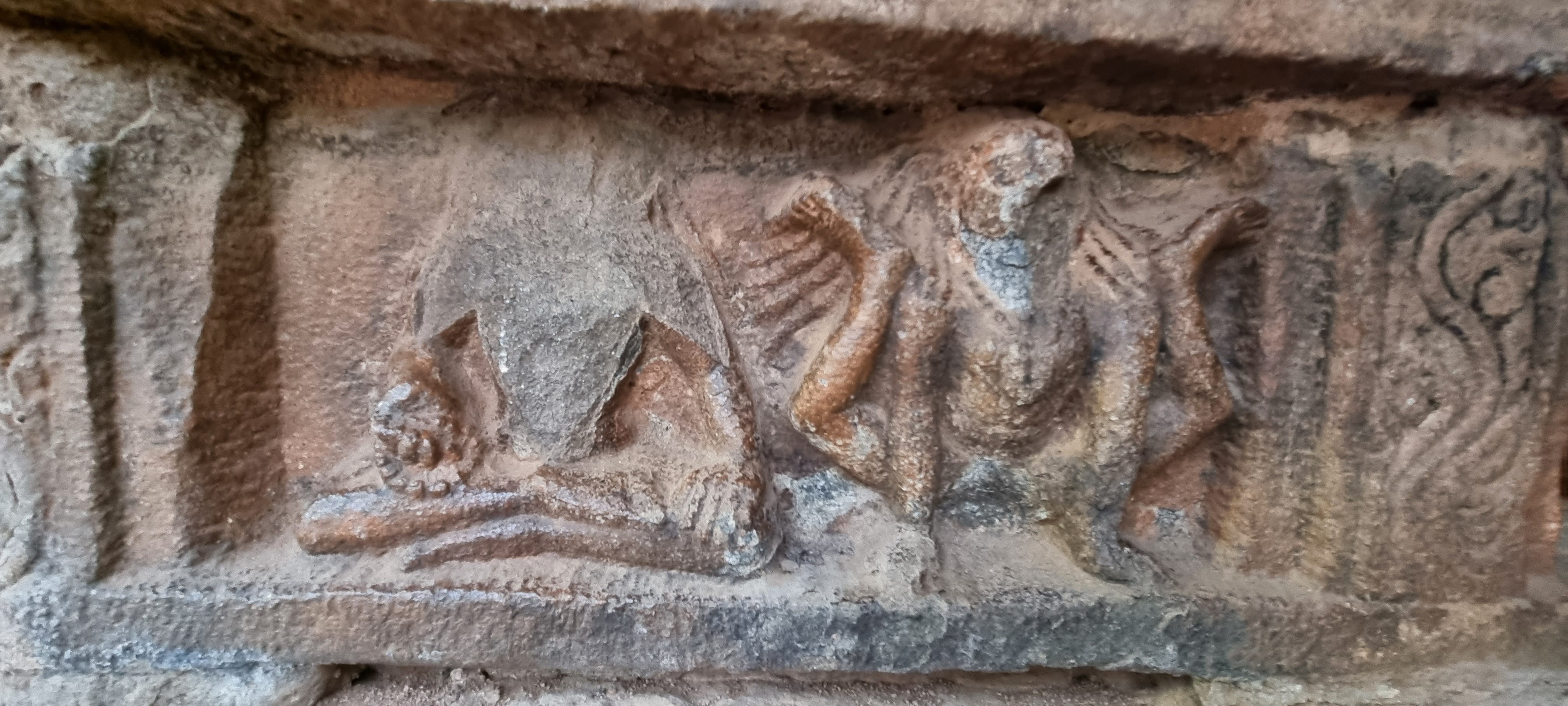
On the walls of te Sringeri Matha temple.

My Vedanta Journey So Far

I’ve been studying Vedanta since 2020, when I began my master’s program, which is where I met my teacher.  The first text we studied was Tattvabodha, then the Bhagawad Gita…and a couple of Upanishads later, we’re now almost done with the Kena Upanishad. My Vedanta study is in the guru-shishya style – Subhadra ma’am is a direct disciple of Swami Dayananda Saraswati, and she teaches us just like she learned from him. When she asked me to start teaching, her directive to me was the same – teach everything I’ve taught, just like I’ve taught you. Learning in this style is slow but steady. Brahman, Aatma, guru etc are some of the the cornerstones of Vedantic philosophy, and my understanding of these ideas continues to evolve as I deepen my studies.

Subhadra ma’am often says that the subject of Vedanta is the Self. Everything we study, every concept, every story is relevant to  our experience as human beings. Once this is clear, then Vedanta becomes a lived subject. Here are a few concepts that are the cornerstones of the Vedantic path. These concepts form just a small part of what we explore in class, and I know my grasp of them will continue to mature as the study unfolds.

Three Key Lessons from My Vedanta Journey

Continue Reading

Pregnancy/Parenting Notes Travels Yoga & Vedanta Philosophy

A Shopaholic Mom Wonders – How Much Is Too Much?

September 5, 2025
Practicing mindful parenting in Sri Lanka.

The “Problem” of Plenty

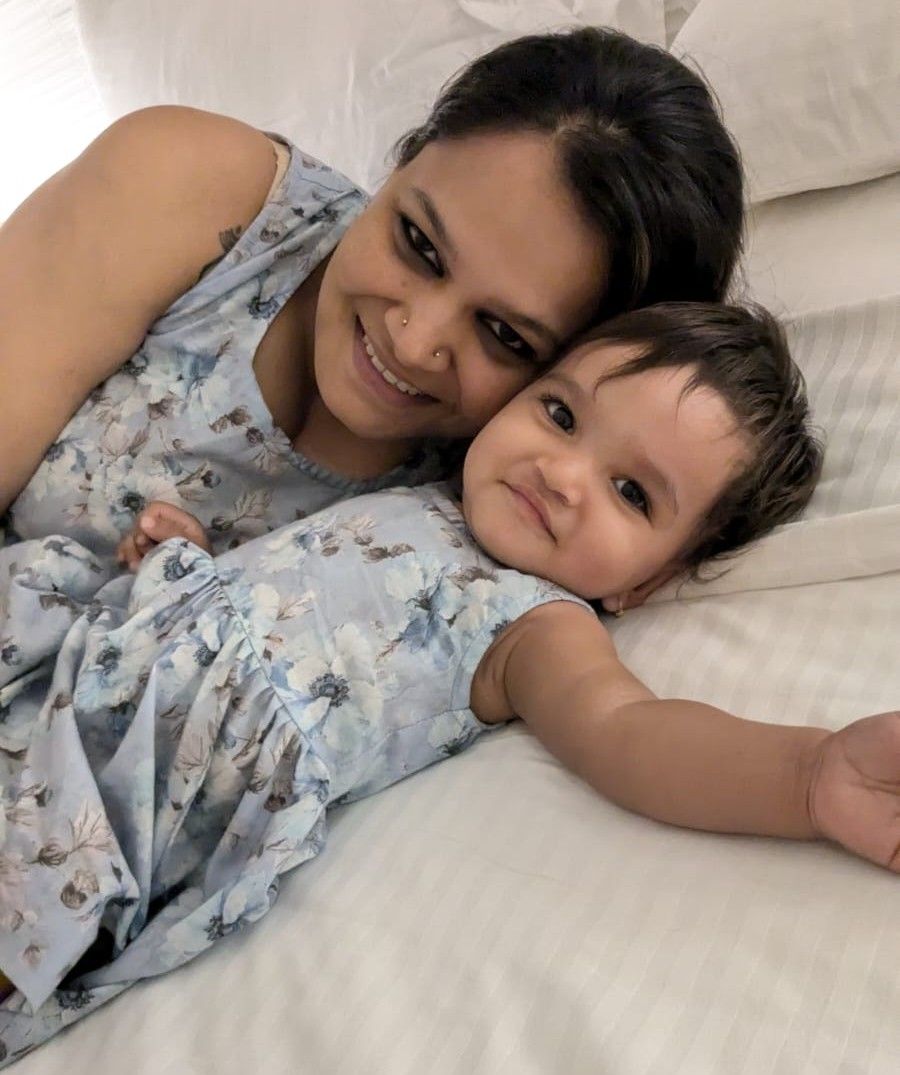
As people who can provide for their children, we’re constantly grappling with the question: how much is too much when it comes to things? I believe that’s at the heart of conscious parenting, making intentional choices rather than giving in to excess. From the moment Kalindi was born, there’s been no dearth of clothes, toys and general stuff. I remember thinking, we had enough things to last until she started school. A year and a half later, I know that to be true.

A friend of mine used to lament that her family was plagued by ‘the problem of plenty’. Every time I heard her say that, something inside me would instinctively recoil. I wondered how she could complain about having too much in a world where people struggled for the basics. I’d flinch every time I heard, hoping one day she would see the light and find a solution for her so-called ‘problem’.

Continue Reading

Yoga & Vedanta Philosophy

Draupadi’s Disrobing & Our Dharma Today

August 19, 2025
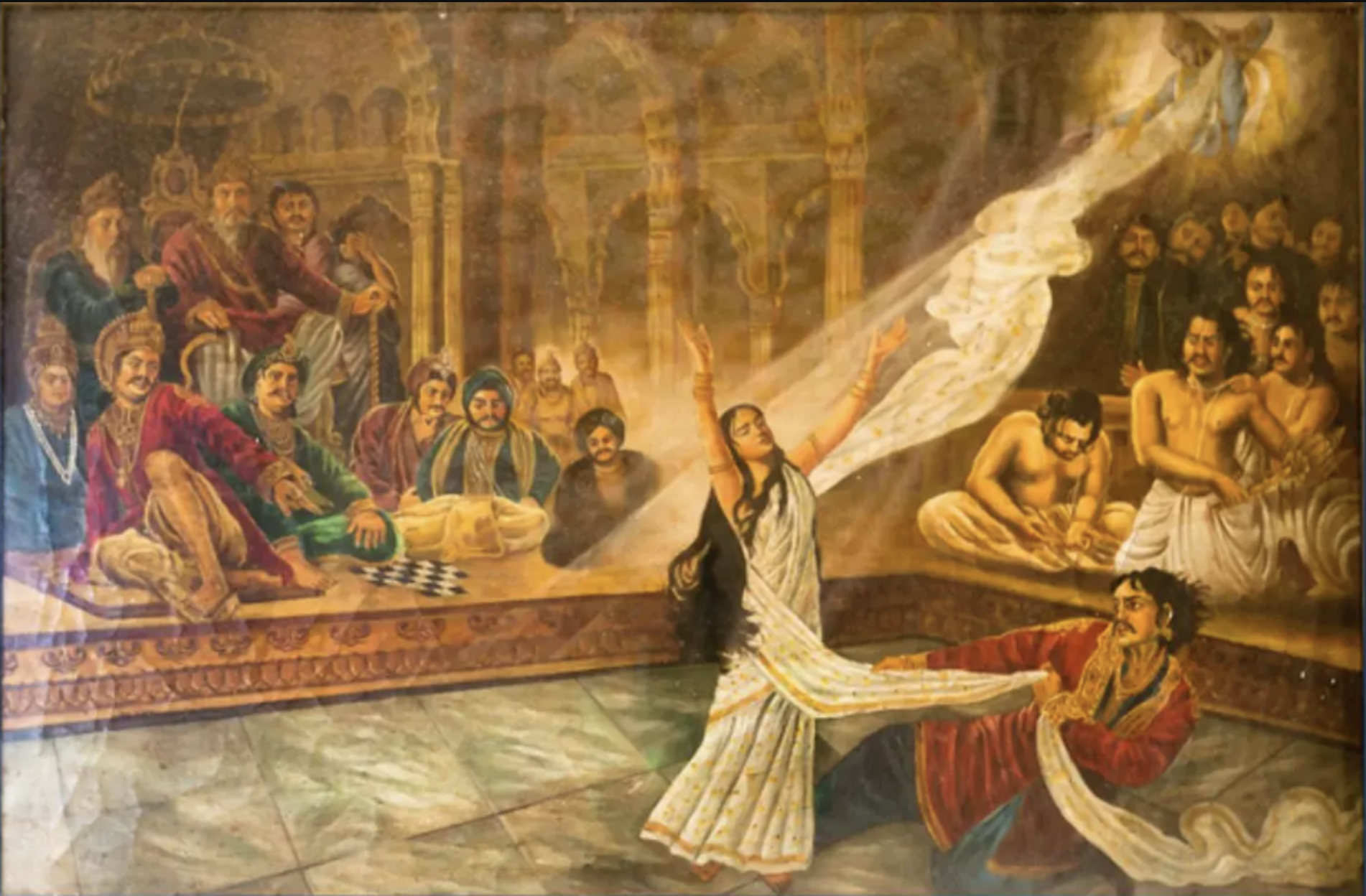
Draupadi’s disrobing in Mahabharata illustration – Vedanta reflection

Now that I teach Vedanta, many students ask me how I got into it. Most are surprised to know that I didn’t grow up with the stories and mythology of Hinduism. In fact, I grew up in a house where even rituals weren’t given too much importance. Religion was always present, but always in the background. It was quiet in its dignity, accepted and unchallenged.

I believe this gives my teaching a freshness which is what prompted my teacher to encourage me to teach, despite a life lived largely away from the culture and birthplace of Vedanta darshana. My approach to Vedanta is shaped by my approach to literature, where we endeavor to understand ourselves and our lives though the characters we are reading. A student of literature analyses and empathises, and in the process learns how to to think critically about human values and behaviour and to even make allowances for human nature.

Which is why when we started studying the Bhagavad Gita and my teacher told us to put ourselves in Arjuna’s shoes, I slid seamlessly into them. And once I did, the Gita came alive for me.

Continue Reading

Yoga & Vedanta Philosophy Asana

51 Minutes of Contemplation : A Guru Purnima Yoga Class

July 24, 2025
My prenatal yoga practice was a tribute to my gurus.

“Do we have to give a gift to our gurus on Guru Purnima?” Ambika asked me, curious about the guru parampara.

“Some people do,” I said. “But it’s not mandatory.”

Is it possible to thank a guru for all they’ve done? As students what can we do for our gurus? What can we give our guru as a guru purnima offering?

After spending more than a decade within the guru parampara I realise now that the question isn’t what to give our gurus, the question is how do we honor our gurus?

Perhaps by living our lives in service to the words, the ideas, the movement and the philosophies they have taught us so that they live on in our bodies, minds and consciousness, and the guru parampara remains an unbroken chain. Continue Reading