
Browsing Tag

kena upanishad

Kena Upanishad Yoga & Vedanta Philosophy

Uma Devi: A Feminine Light for Navratri

October 8, 2025
In service of my little goddess.

The Kena Upanishad

We’re almost done studying the Kena Upanishad in my Vedanta class. The Kena Upanishad is the third upanishad we’re reading (after the Katha and Mundaka) and the 5th Vedantic text (including the Bhagavad Gita and Tattvabodha).  This text delves into the nature of Brahman, and through the dialogue format common to Hindu scriptures, helps the reader understand that the Self is Brahman. For the last few weeks we’ve been discussing a story that comes in the third canto of the text. It’s a story about the demi gods becoming proud of their strength after winning a battle. In this story the Guru appears as a woman, Uma Devi. This story is relevant during Navratri, when we worship the various manifestations of Durga. I was also pleasantly surprised to find a literary example of a female Guru.

Continue Reading

Yoga & Vedanta Philosophy

3 Lessons From 5 Years of Vedanta Study

October 8, 2025
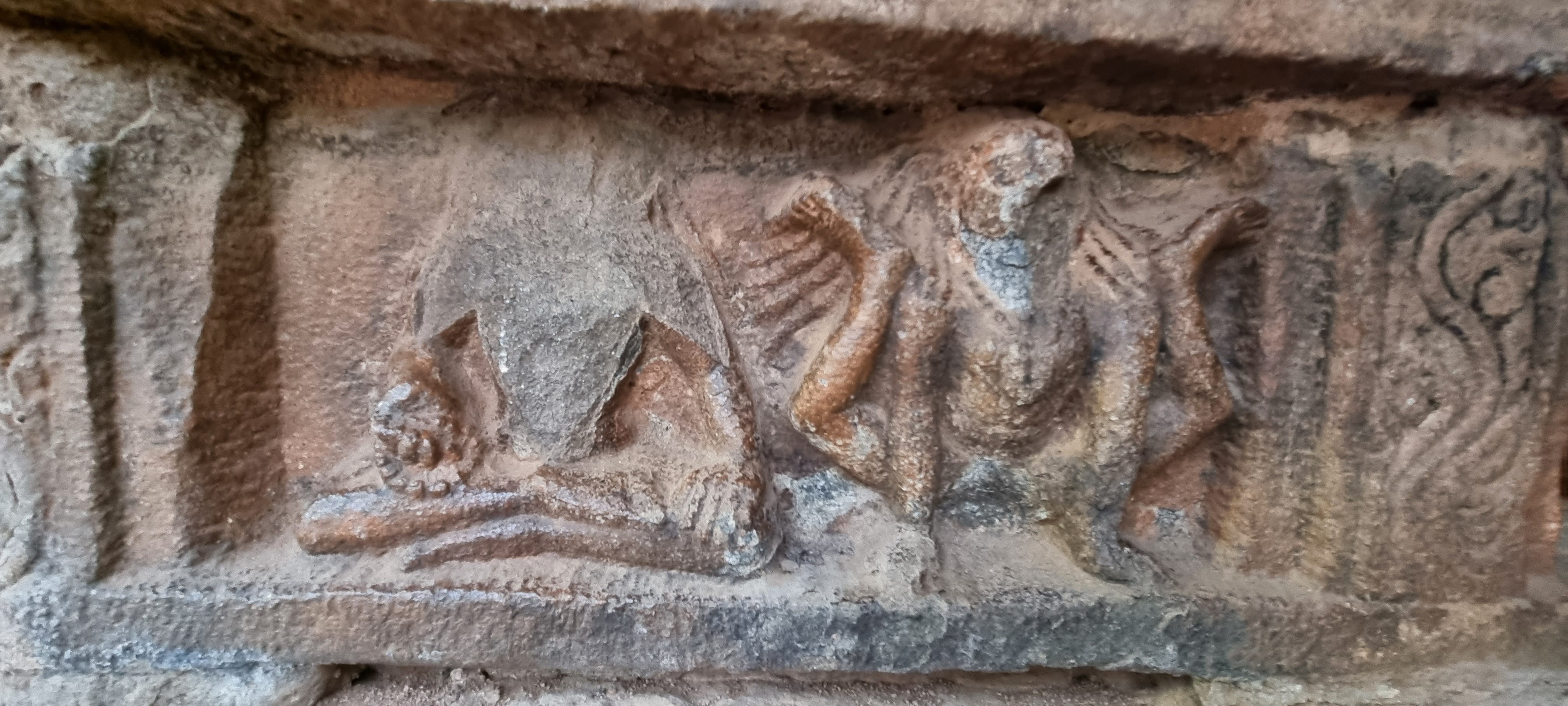
On the walls of te Sringeri Matha temple.

My Vedanta Journey So Far

I’ve been studying Vedanta since 2020, when I began my master’s program, which is where I met my teacher.  The first text we studied was Tattvabodha, then the Bhagawad Gita…and a couple of Upanishads later, we’re now almost done with the Kena Upanishad. My Vedanta study is in the guru-shishya style – Subhadra ma’am is a direct disciple of Swami Dayananda Saraswati, and she teaches us just like she learned from him. When she asked me to start teaching, her directive to me was the same – teach everything I’ve taught, just like I’ve taught you. Learning in this style is slow but steady. Brahman, Aatma, guru etc are some of the the cornerstones of Vedantic philosophy, and my understanding of these ideas continues to evolve as I deepen my studies.

Subhadra ma’am often says that the subject of Vedanta is the Self. Everything we study, every concept, every story is relevant to  our experience as human beings. Once this is clear, then Vedanta becomes a lived subject. Here are a few concepts that are the cornerstones of the Vedantic path. These concepts form just a small part of what we explore in class, and I know my grasp of them will continue to mature as the study unfolds.

Three Key Lessons from My Vedanta Journey

Continue Reading