Pragya Bhatt | yogawithpragya

Browsing Category

Yoga

Pregnancy/Parenting Notes Asana Yoga

Conception to Postpartum in a Series of Weekend Yoga Workshops

July 16, 2024
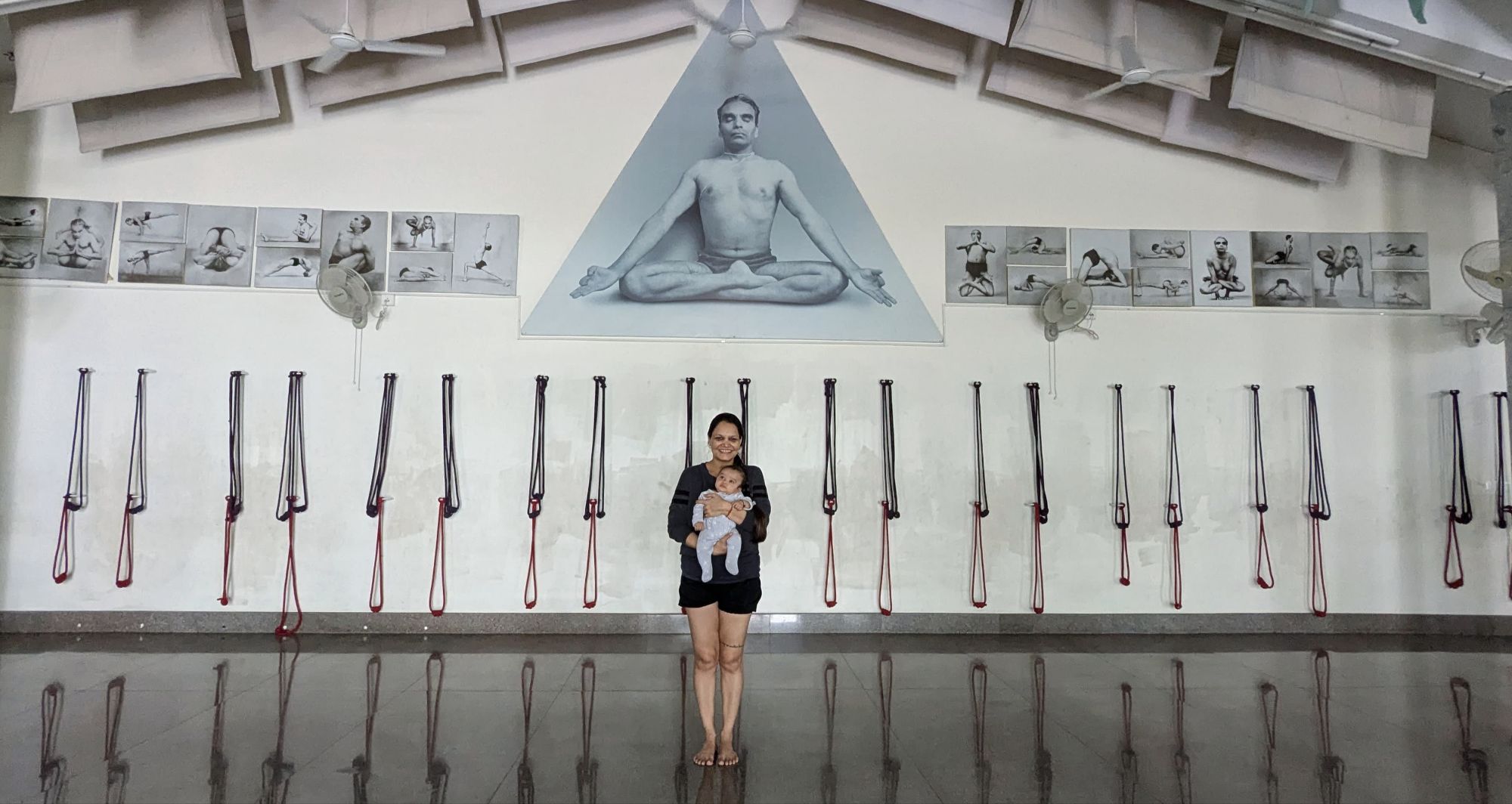
I've taken this picture so many times at Bellur, and never thought one day I'd be posing with my daughter.

I’ve taken this picture so many times at Bellur, and never thought one day I’d be posing with my daughter.

I spent the past weekend in yoga workshop with Murlidhar sir, a yoga teacher who played an instrumental role in my pregnancy journey, from conception to postpartum.  This blog was supposed to be about taking a 3.5 month old to a yoga retreat.  But as I wrote it, it became a game of connect the dots.  It turned into a blog about how I attended a weekend yoga retreat in 2019 and met an impressive but little known yoga teacher who would one day have a profound impact on my life.

My journey has been nothing but magical or, as my gynaecologist would say, ‘a miracle’.

Continue Reading

RIMYI Experiences Yoga & Vedanta Philosophy

The Ultimate Surrender – Intersection of Yoga & Vedanta

May 10, 2023

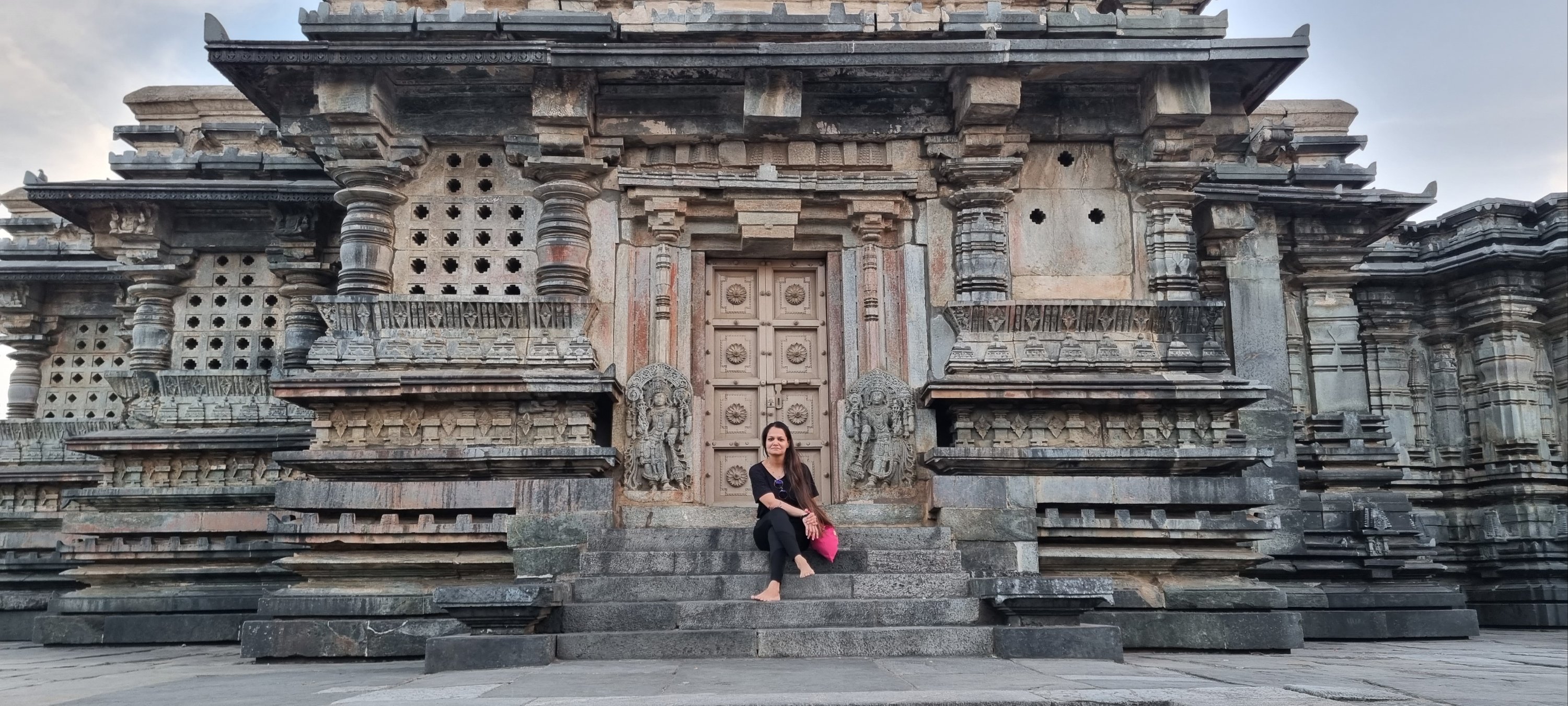
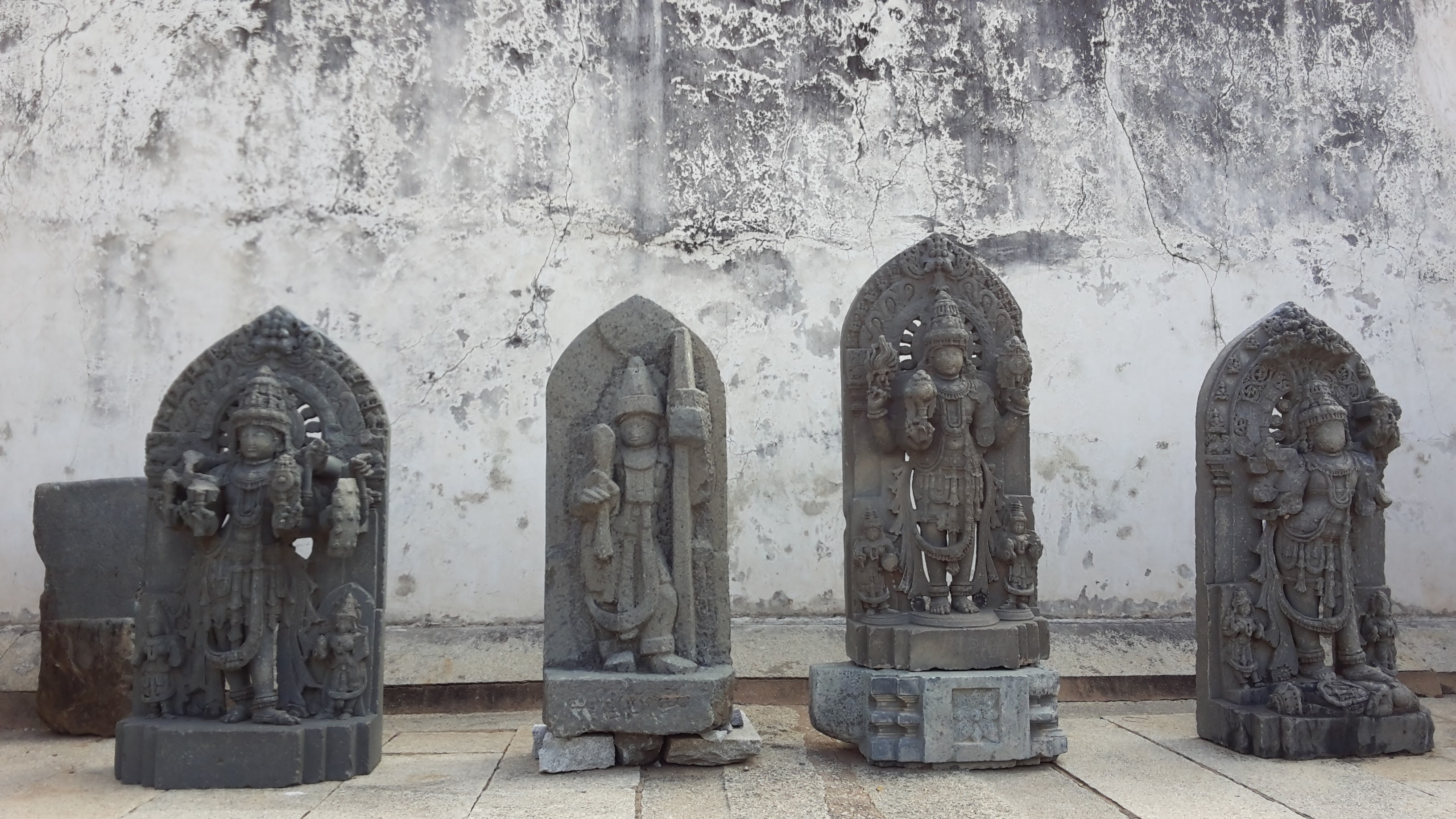
At the beautiful temples of Belur & Halebidu.

The philosophy of yoga and Vedanta sometimes intersect, and I love spotting this overlap in different classes.

During the last RIMYI class I took, Raya spoke about letting go.  When we talk about letting go of something, there is an assumption that you’re holding on to something.  It’s important to analyse this something.  How are you holding on to it?  Why are you holding on to it?  Once we analyse it, can we let it go?

To make it relevant to the asana practice Raya asked us to ask ourselves what we were feeling in the asana we were holding (Uttanasana).  What were we truly feeling?  Were we feeling our hamstrings hurting, or was the back hurting, or were we holding the abdomen too tight?  When you can identify what you are holding – you can begin to let it go.  “I let go of my back, I let go of my abdomen, I let go of….”  He asked us to do the same in Sirsasana, but focus on mental conditions/conditionings. He asked: Can letting go be voluntary?  Can we actively let go?

He gave us the example of how he came across a ratty old t-shirt when he was cleaning his cupboard.  Everyone tells you to let go of this old tee that you don’t even use anymore, but you can’t.  We need to understand that it’s not the object that we can’t let go – it’s the memories associated with it that we’re unable to let go.

What are we actually holding on to?  Can we analyse that similar to how we analysed Uttansana?  Mentioning yoga sutra 1.11 he asked us to ponder over what is the role of memory and cleansing the memory.  Can we actively identify and do something about?  Letting go of an old t-shirt is easier than letting go of memories.  Memories can be good, troublesome, traumatic, ecstatic.  How do we deal with this baggage of memories and how does it impact us?  Can we let go of attachment to the memory?  Can we actively let go of sad memories?  Going into parsva sirsasana he asked us to contemplate looking at the memory from a different angle.

अनुभूतविषयासंप्रमोषः स्मृतिः PYS 1.11

Memory is the unmodified recollection of words and experiences.


He spoke about two sutras that he would frequently speak to Guruji about:

सुखानुशयी रागः PYS 2.7

Pleasure leads to desire and emotional attachment.

दुःखानुशयी द्वेषः PYS 2.8

Unhappiness leads to hatred.

A person with a sense of discrimination should strive a balance between sukha and dukha instead of living a the mercy of these two.  There are so many triggers in life today – we are all used to certain manners, ways and customs.  But can we let go of getting triggered?  Raya told us that  us to actively open our drawers and pull things out and look at everything that comes out and ask ourselves if we are using it.  Have we been keeping certain memories in the cupboard, maybe even in the freezer.  And even in the freezer have they become rotten and started stinking?  Can we actively bring these memories out,  clean them up and throw them away?

How do we throw these memories away?  By turning it from klista to aklista.


वृत्तयः पञ्चतय्यः क्लिष्टाक्लिष्टाः PYS 1.5

The movement of consciousness are fivefold.  They may be cognizable or non-cognizable, painful (klista) or non-painful (aklista).

The fact that it happened remains, but the feeling associated with it goes.  Raya also stressed that we all want happiness, but we remember the sad things more – happiness has a shorter shelf life.  Happiness is like camphor or mercury – you can’t hold it, it evaporates.

Next in Sarvangasana, Raya asked us to finally consider what we can let of of intellectually.  He spoke of fear and how we’re all fearful of something.  But some are able to face their fear because they have practiced handling this fear.  Practice analysing your fears and insecurities – once analysed can we let them go?  After giving daanam in a temple, we pour water over our hands symbolically ‘washing away’ our attachment with what we’ve given.  We need to let go of claiming things – ‘I’ did this, ‘I’ own this etc.  The most difficult thing is to let go of this claim.  After letting go of these claims, can I let go of the ‘I’ itself?

When one moves from the grossest to the subtlest, neither the beginning is seen nor the end.

My Vedanta teacher always stresses the importance of balance in life.  It is important for us to seek pleasure, but also to accept that pleasure and pain come together.  As seekers we are encouraged to go after our dreams and desires, but we need to remember that the result of our pursuit depends on many factors.  Therefore, we can’t be swayed by victory or defeat, sukham or dukham.  We should pursue life according to dharma, and with the best of our physical, emotional and intellectual intent.  And surrender the results, fruits, fear and even happiness to a higher purpose.

What is left to surrender when I have surrendered everything?

My teacher explained the idea of surrender using verse 18.66 of the Bhagawad Gita.

सर्वधर्मान्परित्यज्य मामेकं शरणं व्रज |
अहं त्वां सर्वपापेभ्यो मोक्षयिष्यामि मा शुच: ||

In this shloka Lord Krishna is asking Arjuna for the ultimate surrender – the surrender of the ‘I’ or the ego.  Letting go of the ‘I’ in all the claims that I make.  Once I have surrendered everything, I surrender the ‘I’ too.  And in that way I merge with the One, the universal consciousness.
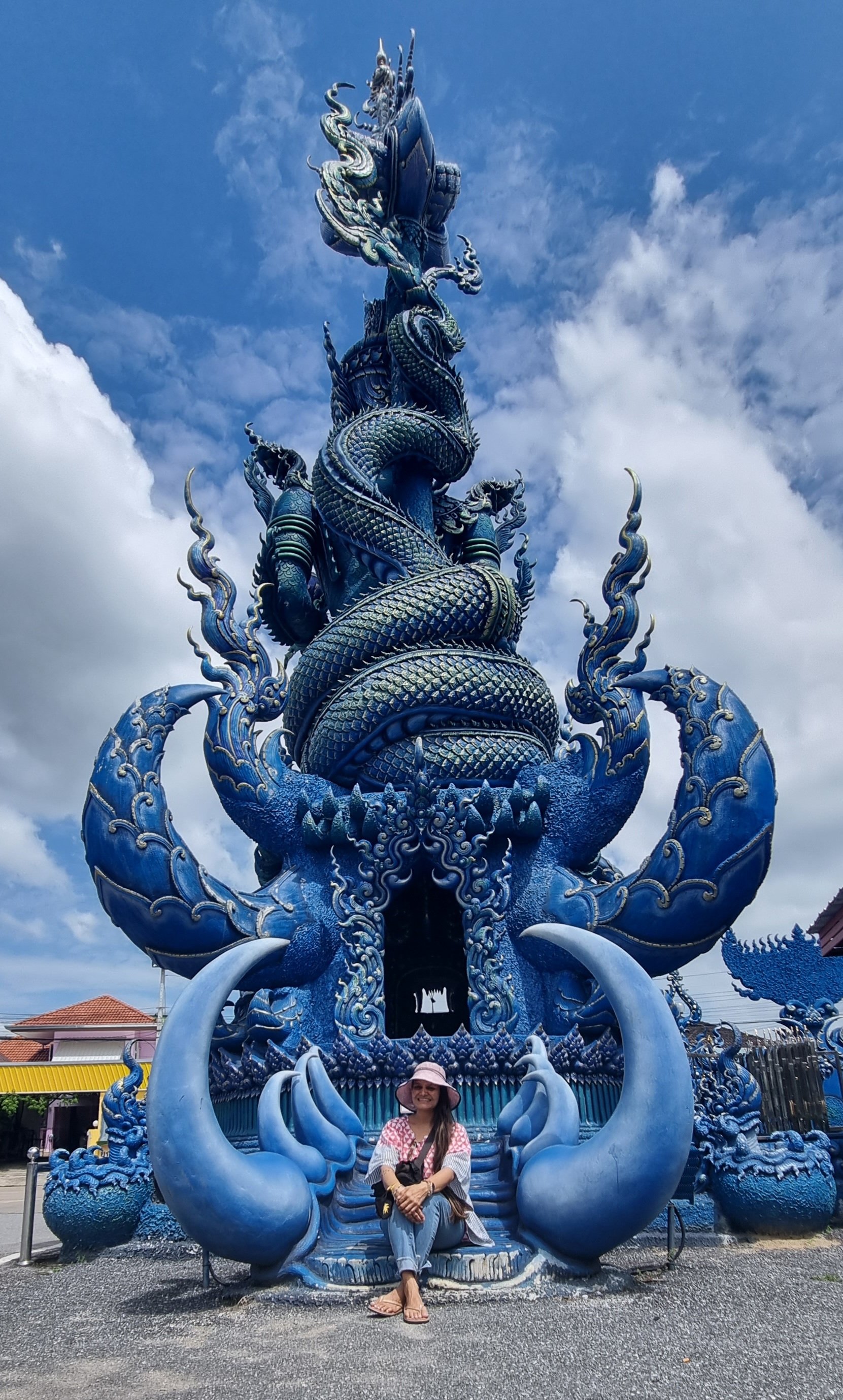
 

At the Blue Temple, Chiang Rai.
At the Blue Temple, Chiang Rai.
 

Yoga

On Guru Purnima

July 13, 2022

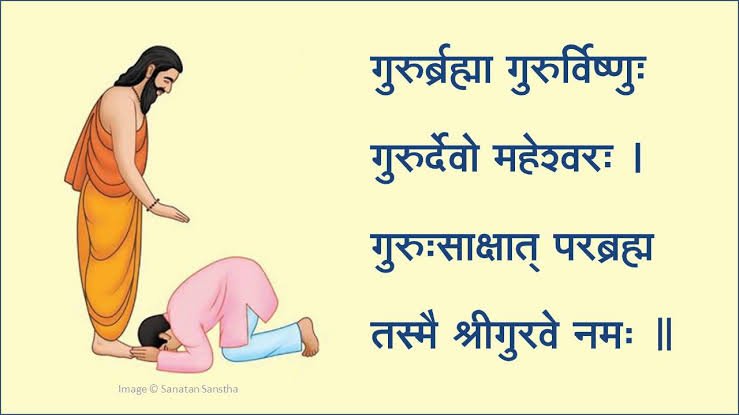
To commemorate Guru Purnima, we had a special Vedanta lecture this morning, focused on the meaning and significance of the day for seekers. Subhadra ma’am started with defining the word guru: remover of the darkness of ignorance. Vedanta is the study of the Self, and the Guru is someone who reveals the glory and magnificence of our Self to us. On Guru Purnima we invoke the essence of the guru parampara. We appreciate and acknowledge the efforts of those who have walked this path before us and made it smooth and easy for us.

Subhadra ma’am then delved into the reasons why we study Vedanta. She explained that the study of Vedanta results in self transformation. Through our study, contemplation and understanding, we hope to remove the obstacles that stand between us and this transformation. These obstacles are both emotional and intellectual. She reminded us that as students we must remember that removing these obstacles is a gradual effort that requires constant sadhana and dedication. It is a time consuming process, and transformation doesn’t happen over night or even in the course of a few weeks. This process is also known as the atma katha – the story/journey of our innermost self.

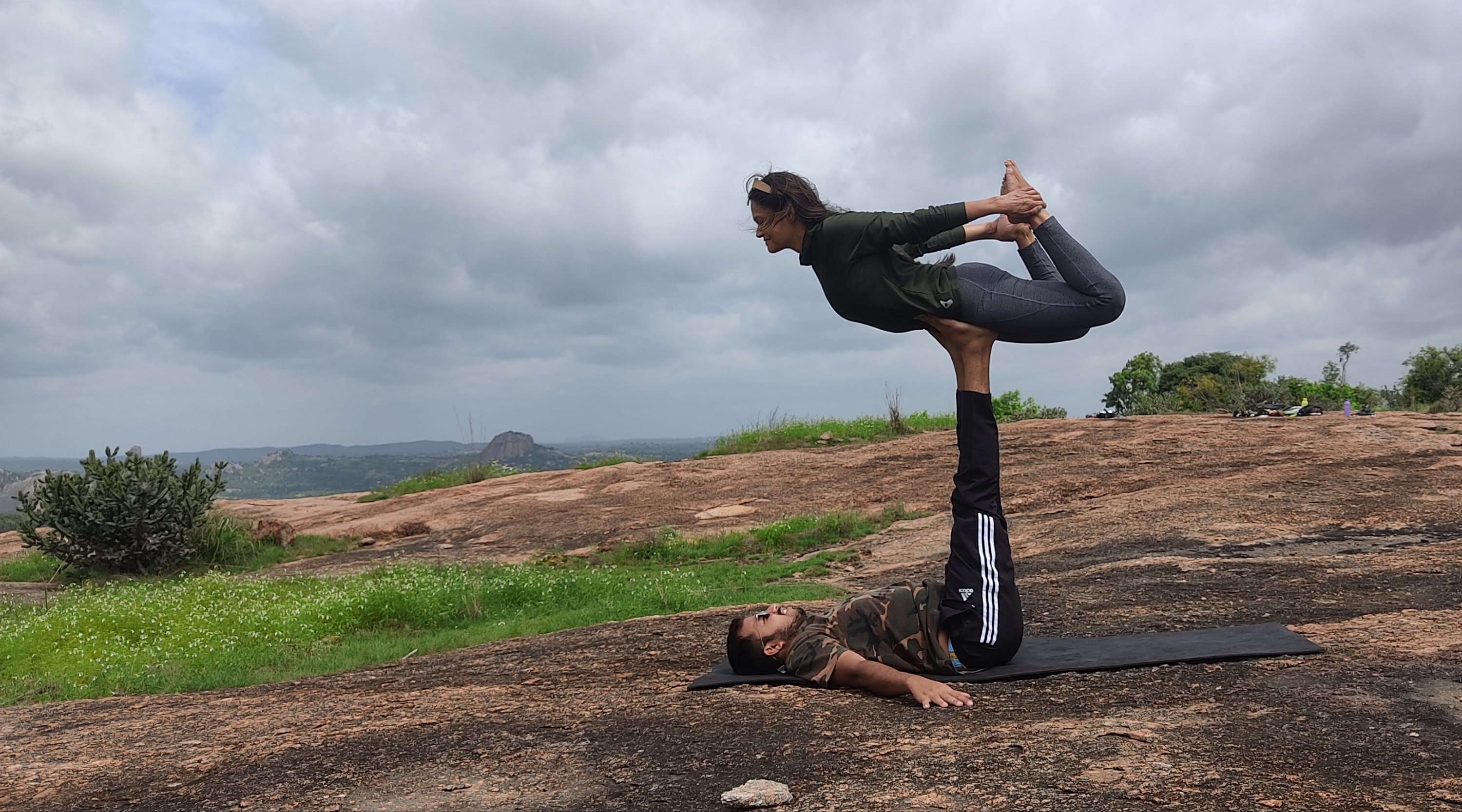
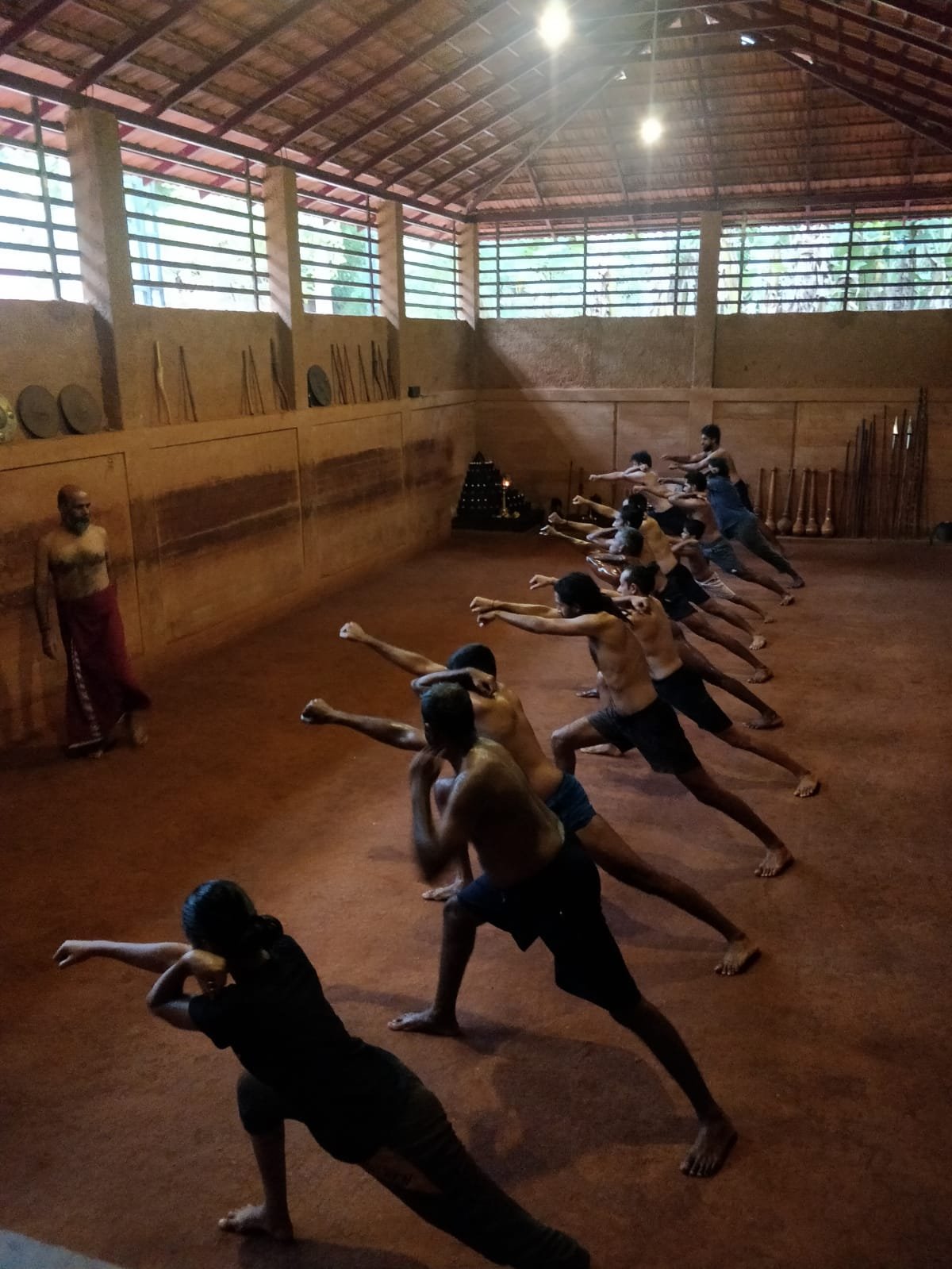
With Shriram, learning kalaripayattu and Acro yoga.

Next ma’am spoke about the greatness of the Guru. The Guru is great is because he has been blessed by the shastras. A Guru’s greatness can be conditional but the shastra’s greatness is ever existent, unconditional; it is this unconditional greatness that is transferred from guru to shishya. The Guru can be likened to a celebrity promoting Brahma vidya/sukha vidya/atma vidya/ananda vidya. Which is why the teachings are always in the form of a dialogue – the seeker has questions and is given answers. In the Bhagawad Gita (the second Vedanta text we’re studying), Arjuna frequently repeats his questions, and the Lord answers him patiently. This is symbolic of how, as seekers, we might not understand an idea or a concept at the first go, but Vedanta is patient and will support our endeavours.

To commemorate Guru Purnima, we worship and pay homage to the entire guru parampara – the parampara commencing directly from Lord Narayana, Lord Dakshinamurthy and the Adigurus, so that we can learn from the shastras. We look at ourselves in the mirror of the scriptures and see the beauty that lies there. We salute the entire lineage we’ve become a part of.

Thankful to my dance guru, Honey Unnikrishnan, for teaching me more than just dance, and being there to answer all my questions with honesty, openness and humbleness.

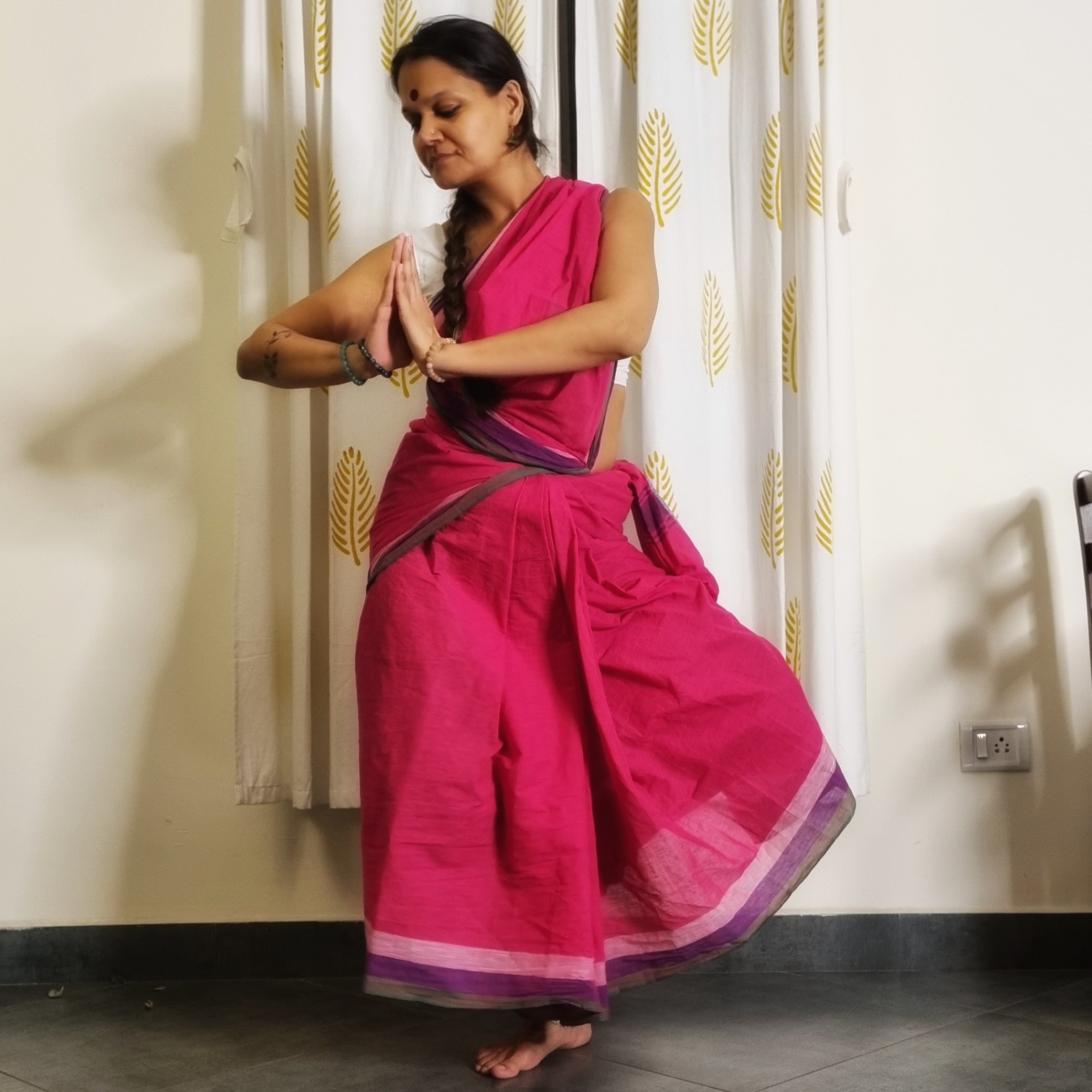
The guru-shishya parampara pervades all Indian art forms, perhaps because art is a discovery and exploration of Self. My dance teacher, Honey Unnikrishnan took some time out today to discuss the guru shlokas we recite in the beginning of class. The Guru is someone who holds your hand (metaphorically) and leads you to the light, never letting go of your hand on this journey. So the Guru is God in disguise and we must appreciate that. Guru is equal to God, if not above Him. Both my Vedanta and Mohiniyattam teachers emphasised transformation and change and stressed the importance of saluting not only your direct guru but the entire parampara

As I listened to these talks by two of my gurus, I thought about my own transformation. About how this past weekend in Auroville, I easily prostrated myself in front of Ramesan Lakshman, the guru at Kalarigram. A decade ago I believed the practice of touching anyone’s feet was regressive, a tribute to chauvinism, a ritual that had no place in this century. But over the years I’ve searched for and found wisdom, guidance, support and (dare I say?) enlightenment from gurus of classical dance, literature, kalari and yoga. And when I bow down before a guru today, I do so with a comforting sense of surrender and trust in this age old pramapara.

To meet a student where they are is a characteristic of a good teacher. I’ve attend classes with numerous teachers and have been lucky to gain insight and inspiration from the best. @Kalarigram

Yoga Travels

Swimming With the Sharks (A Maldivian Honeymoon)

March 19, 2022

I learned how to swim pretty late in life (early 30s) thanks to a Mrs. Vardhan who was generous with her patience and with her time.  I wanted to learn because it’s a wonderful workout, and therapeutic at that.  Little did I know that one day I’d be swimming with sharks in the expanse of the great Indian Ocean.

All set to snorkel near our water villa. Sea life differs from area to area and we looked forward to seeing the variety of fish surrounding the island.

My first experience of snorkelling was years ago during a school trip to the Andamans.  My memories of that experience aren’t particularly fun, so I wasn’t overjoyed about snorkelling in the Maldives (at the Sun Island Resort).  But Animesh was super excited, and so off we went.  It wasn’t until I got into the choppy waters with the snorkelling gear jammed tightly over my face did I recognise that the discomfort I was feeling was actually a sense of fear.  I was out of my territory – I’ve spent years training myself to breathe deeply through my nose.  Breathing through the snorkel with my mouth felt strange, unnatural and very very uncomfortable.

BKS Iyengar famously said, “Your nose is for breathing and your mouth is for eating.  If you breathe through your mouth I will put food in your nose.”  Under the water, with tiny (and not so tiny) fish flitting all around me, I strained to inhale and exhale through my mouth.  And then it dawned on me that a truly flexible human isn’t one who is able to breathe rhythmically when on a yoga mat with the intention  of doing so.  True flexibility is being able to breathe in whatever way the situation demands.  So, as I struggled to get comfortable in the depths of the Indian Ocean, I forced myself to calm down.  I started to engage my lungs to breathe deeply and rhythmically through my mouth.

A lazy tree pose on deck. Happy to see the sharks and other fish up close.

Recently I lectured my students about the importance of cultivating a self-practice. When there is no self-practice, yoga is merely an activity confined to our mats and we remain limited to and by our physical boundaries.  Our physical boundaries are a fraction of what we are as humans.  The expanse of the human mind is more vast than the Indian Ocean, and just as interesting.  When we practice by ourselves, devoid of the expectation of cues and the ‘experience’, we can begin (and hope) to tap into this space.  In this space lies the ability to breathe better when needed, to calm down and detach, to relate to others more intelligently, to listen to the wisdom our inner voice and to marvel at the plethora of life in the universe,

Once I worked this out in my mind, swimming in the ocean seemed like an extension of my practice.  I observed more, moved my arms and legs in different ways, swam in place or in circles, didn’t panic at the sight of sharks or a little water in my face mask, and most importantly, was able to explore more of the deep blue sea


Yoga

The Nature of Inspiration

October 11, 2021

In Colombo, Sri Lanka, eons ago, experimenting with new photography techniques.

I spent all day yesterday reading ‘The Exorcist’, and looking ruefully at what I intend to be the first draft my next book.  This book has a silent, sullen, intractable quality, the kind only books-that-are-yet-to-be-written and mouth ulcers have. Try as I might, I couldn’t will myself to continue my research or even just refine the chapter outline.

What is the nature of inspiration?  How are some of us inspired to bound out of bed and write blogs and books, start new business ventures, work out and even plan events?

I realise now that inspiration doesn’t choose to randomly inhabit the persons of the chosen few whilst denying itself to others.  Inspiration, instead, comes to those who are willing to create an atmosphere for it to thrive.  Much like providing a safe and healthy environment for children, pets or plants to grow in, inspiration also needs a certain fecundity of environment.  Innocuous social media trends, consumerist mouse clicks, ‘news’ in 280 characters or less….all these are inspiration vampires.  Reading a real newspaper, or even an entire book (whole and unabridged!), a Bharatnatyam or pottery class or even going on a trip with your friends can kneed the cool balm of inspiration on our frazzled minds and insipid lives.

In speaking to many people my age, I realise that the biggest inspiration sponge is a strange, inexplicable fixation on who we think we are and what we think we like.  A definition of us, if you will, and one that is cast in stone.  So whether its refusal to simply experiment with a new fashion trend, a new genre or even just a different color, the quickest way to kill creativity (excuse the alliteration) is to sigh with pleasure in our comfort zones.  The sigh that stifled a million brea(d)ths of experience.

So I wonder then, perhaps spending all day reading wasn’t really a waste of time?  It might have instead refuelled my inspiration reserves so that I can now look at my research from a different angle, get rid of the blinkers that build up even as we’re looking at the same word, closet, living room and city for the umpteenth time.