Pragya Bhatt | yogawithpragya

Browsing Category

Yoga

RIMYI Experiences

Three Surprising Facts About Pune

November 17, 2017

At the Aga Khan palace, on a day we were free.

By Pune I mean the Ramamani Memorial Iyengar Yoga Institute (RIMYI).  For Iyengar practitioners ‘Pune’ is synonymous with ‘RIMYI’.  After studying for five years under my primary teacher here in Bangalore, I started going to Pune last year.  I’ve written about my time in Pune in previous blogs.  This blog is about the little known and surprising aspects of the RIMYI experience.

  1. RIMYI is the most famous institute for Iyengar yoga on the planet.  It is the epicentre of all Iyengar yoga related activities in the world.  There is a wait list to attend classes at the institute, and you may have to wait for up to a year or more to get a spot.  To even apply for a spot you need to be studying Iyengar yoga for at least 5 years under a certified teacher.  We reserve our seats and accommodation many months in advance.  Sometimes years in advance.
  2. Everyone cries.  Yes, RIMYI has a lot of grownups in tears.  Teachers at the institute aren’t known to mince their words or to bother about the political correctness of their words.  The experience can be intense and nerve wracking.  What’s interesting is that despite quaking with fear, dread and nervousness on our mats, we still return year after year!  I’ve broken down countless times.  The experience can be very cathartic and just goes to show that the path of yoga takes your blood, sweat and tears.
  3. Teachers hit you.  While we’re not being shoved into doors and walls, a sharp slap on the quads or the back of the knees to take our awareness to our ‘sleeping’ body parts is routine.  I’ve had teachers slap my quads, the back of my knees, the sides of my thighs…even had my toes flicked painfully because, ironically, they weren’t relaxed enough.  We joke that ‘BKS’ Iyengar stands for ‘Beat Kick Slap’ Iyengar!

So you see, studying at the best yoga school in the world is not a blissful-gentle-stretching-meditating-all-day experience.  It’s actually a tremendous achievement to make it through and back again the next year!
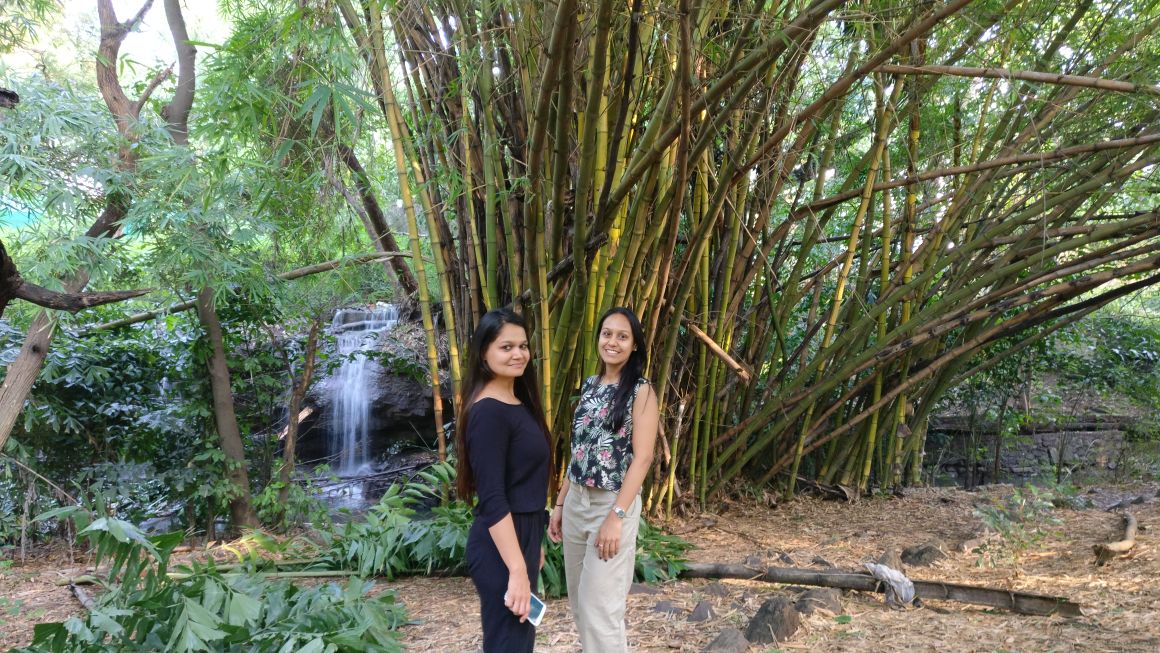
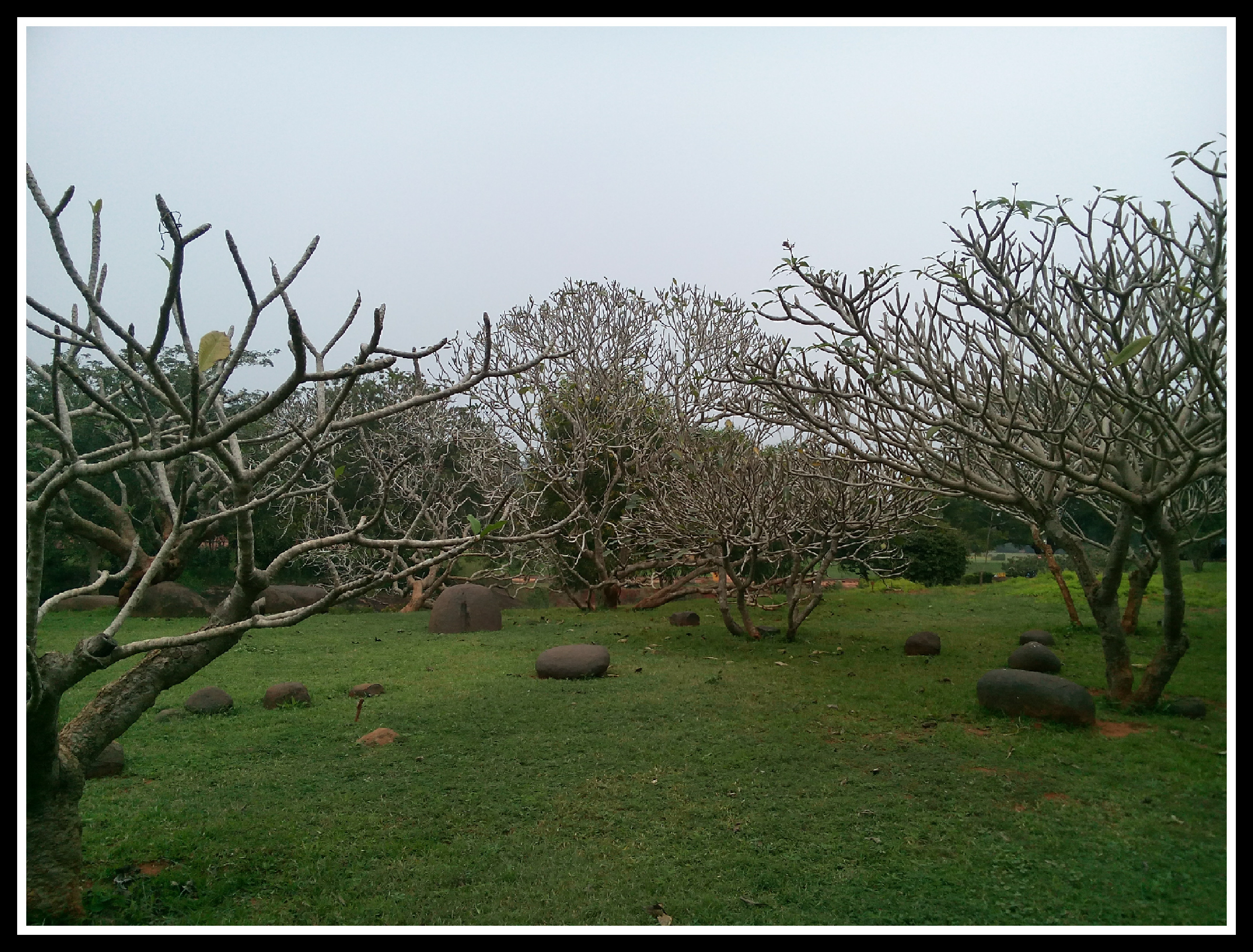
At the Osho Gardens. I had Dengue during this time!
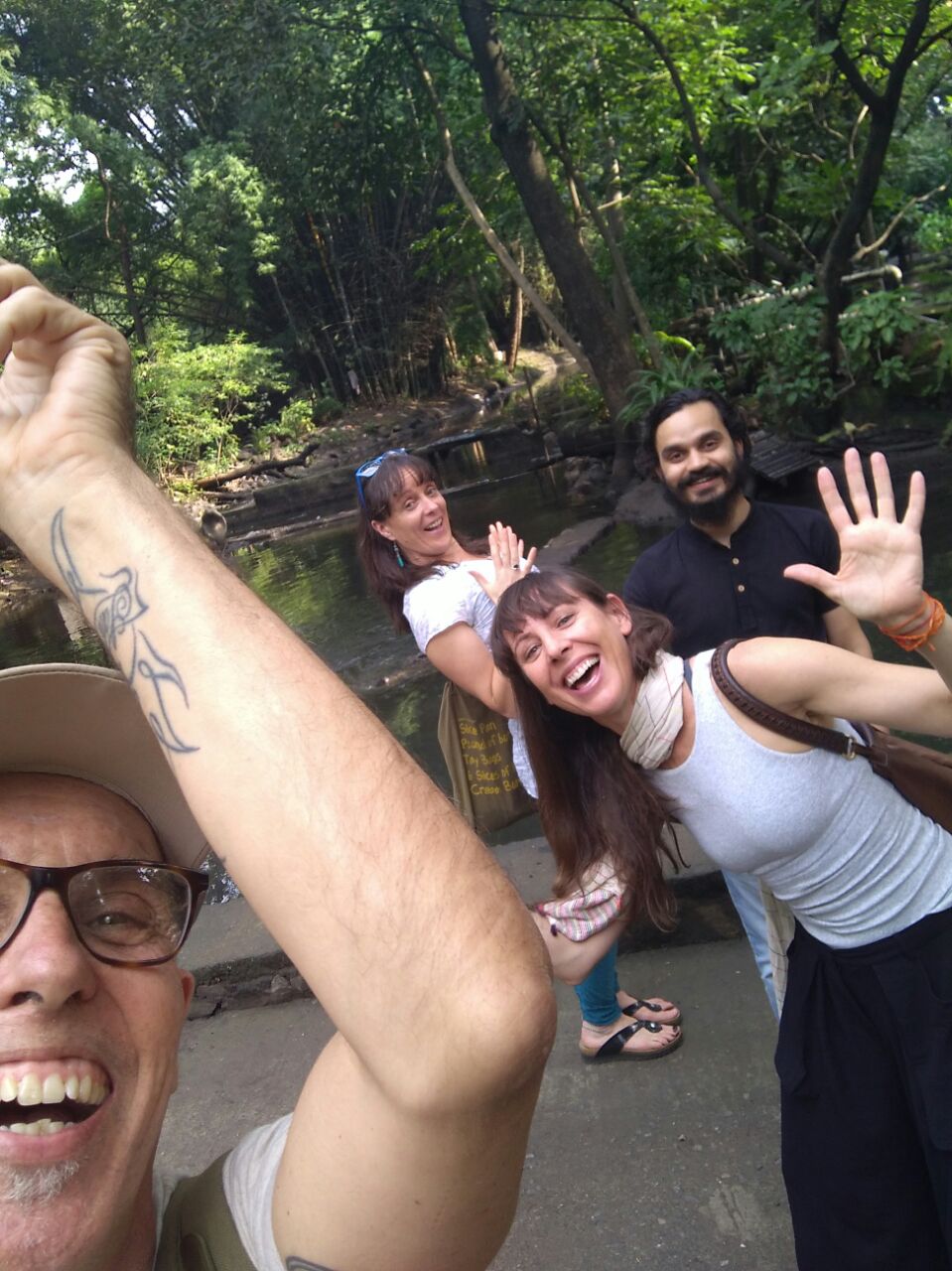
Sundays looked like this. A joke we will never forget!
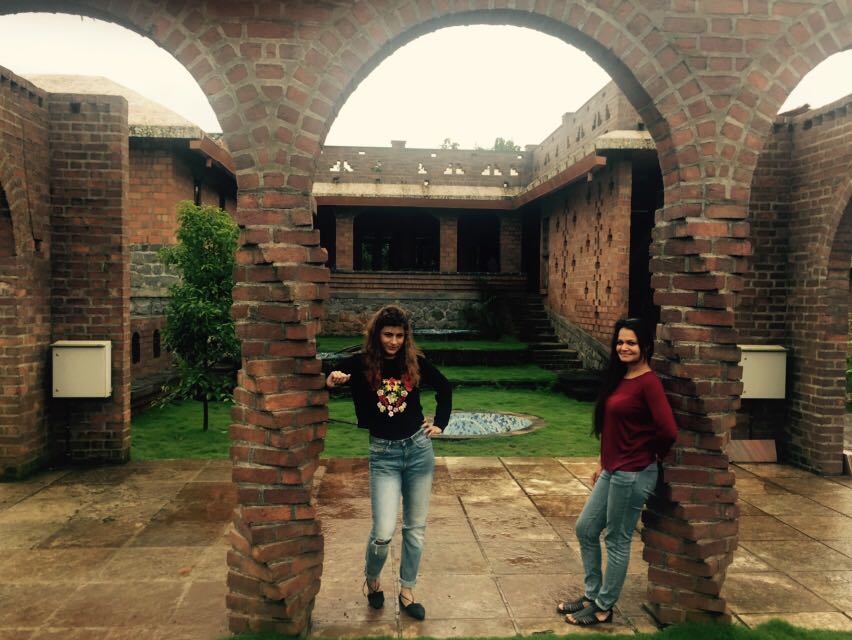
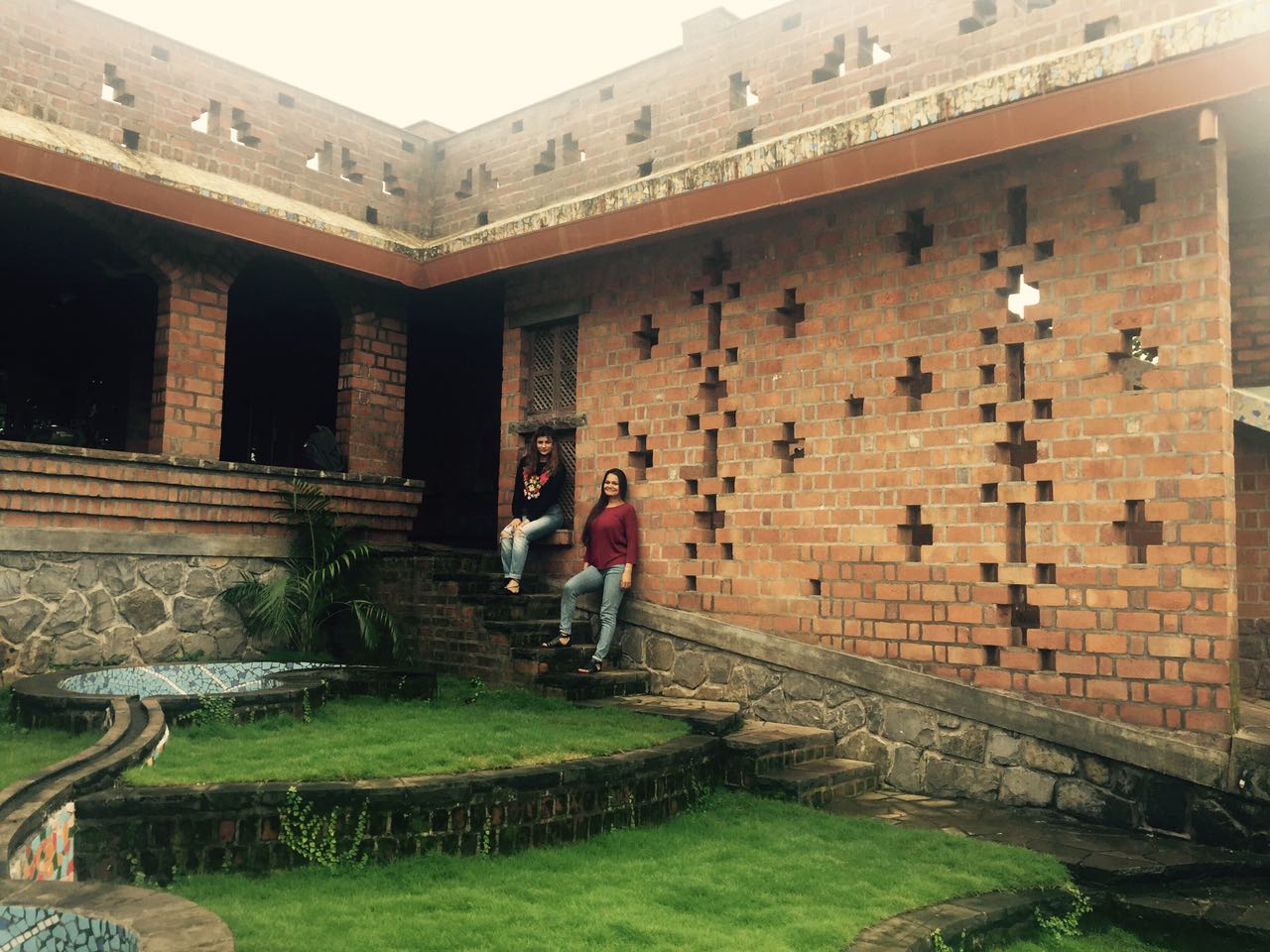
Weekends at a farm, amidst nature, never get old.
Yoga

How to Manage Your Fears and Face Them Head On

November 2, 2017

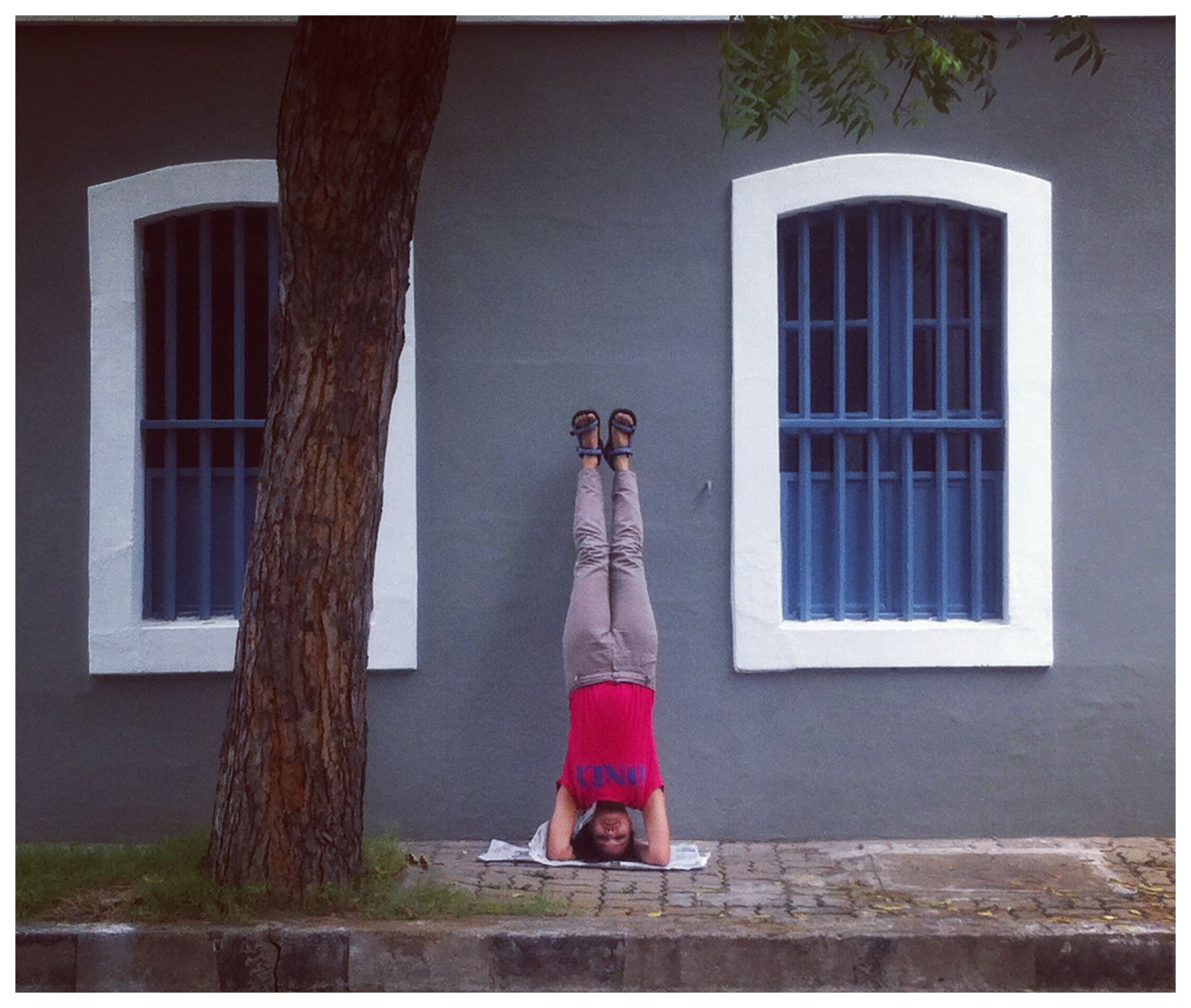
When I needed a wall behind me for the Sirsasana.

Halloween got me thinking about fear.  As a society we value fearlessness.  As people we take pride in saying, “I’m fearless.”

But I’ve never met anyone who is fearless.  Some fear pain, some fear solitude, some fear poverty, some fear for the safety of their near and dear ones, aging.  Over the years I’ve heard of the fear of pigeons, fear of sprouts, fear of going bald.

A strategy that used to work for me was to avoid the cause of my fear.  But, it turns out, there are some fears you can’t avoid.

When I was ill I wasn’t able to practice for what felt like a very long time.  My teacher once told us that if you don’t practice for a day, it’s equivalent to putting your practice back by seven whole days.  As each day passed, I thought of all I learned in Pune.  With so much time on my hands I became increasingly anxious, nervous and fearful.

In the path of Yoga there are inevitable roadblocks and problems.  But Yoga is a holistic practice so the solution also lies in the practice.  The first limb of the Ashtanga (8 Limb) yoga practice is Yama.  The Yamas are  set of 5 ethical principles that practitioners must adhere to.  One of the Yamas is aparigraha or ‘non-attachment’.  As yogis we become too attached to the practice.  Some of us feel guilty if we are unable to practice.  Others push themselves too hard.  Some pride themselves on the asanas that they can do.  We stop enjoying the journey, we focus only on the destination.  And in the process become attached to the destination.

I am very attached to my asana practice. I spend a lot of time trying variations, reading, watching and experimenting.  When I can finally do an asana I feel a sense of accomplishment.  There is nothing wrong with feeling good about finally attaining something that you’ve worked hard for.  But if you beat yourself for not attaining the final asana despite a rigorous practice; or start to lose faith in the path because your goal seems far, far away; then you need to take a fresh look at your attitude and approach.

I was fearful of discovering the state of my yoga practice post illness. If you’ve read this blog, then you know that I was significantly weakened by the illness.  Waking up every day to practice felt like an exercise in futility.  It was scary to try asanas and not know if I would be able to do them.  Asanas which I ‘owned’ before.  But I guess by force of habit I kept on returning every morning…to fail.  Until one day I started improving.

And that’s when I realized that fear can’t be ignored.  You can’t not think about the object of your fears.  It doesn’t help to face fear head on.  Fear can only be managed, one day at a time.  You don’t have to look at the entire marathon, you need to look at the Majaa run first.  You don’t have to dwell on whether you’re going to get the job, you only need to work on giving the best interview ever.  You don’t have to worry about the Sirsasana (Headstand), you just have to work on doing a very good Adhomukha Svanasana (Downward Dog).

BKS Iyengar once told Patricia Walden (who was struggling with a heavy case of depression) to ‘Take one step no matter how small.’  I realize this is what I have been doing ever since I’ve gotten back on the mat.

Do you have a strategy to deal with fear?


Yoga

Getting My Asanas Back

October 29, 2017

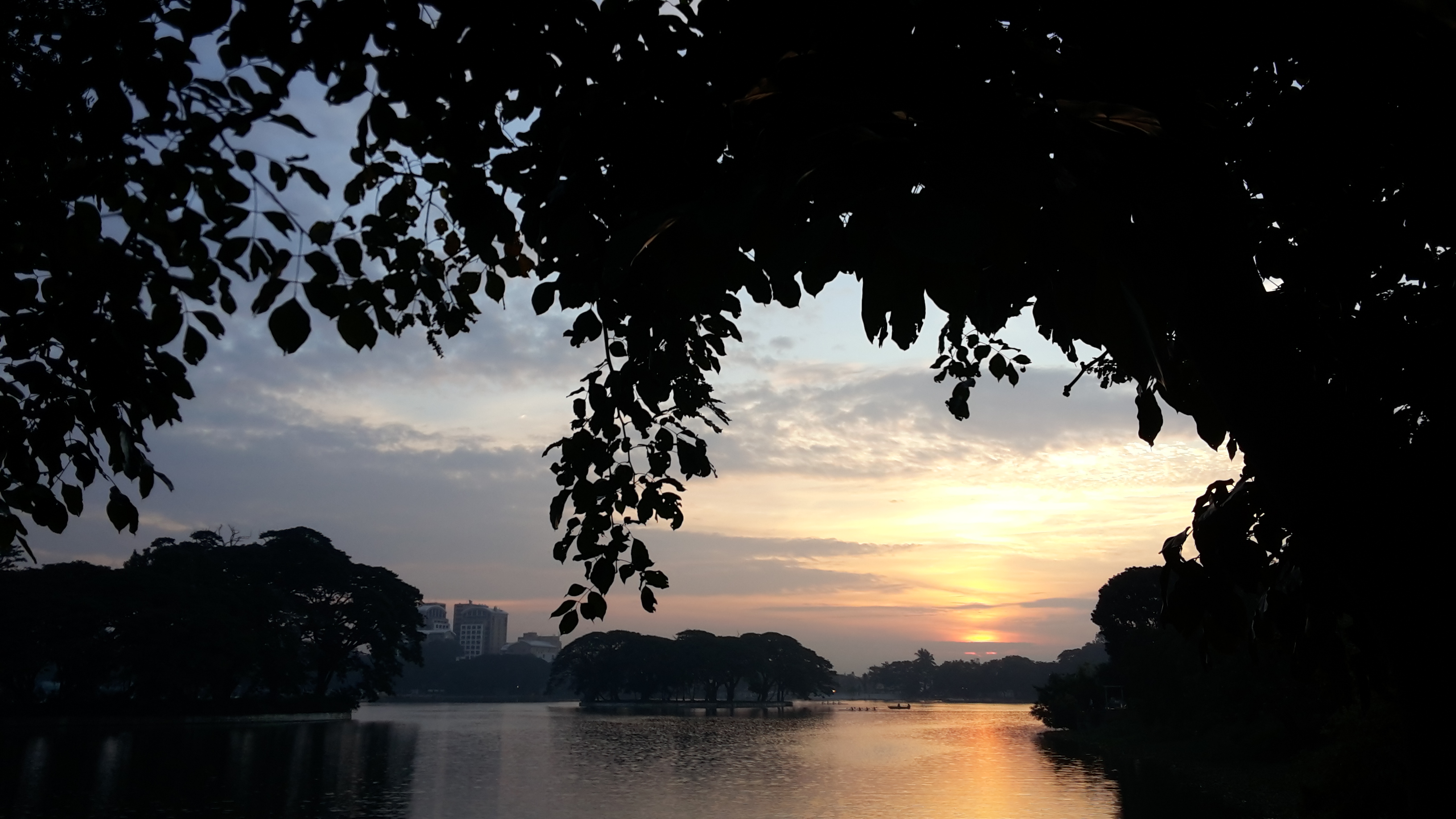
The Lake as the sun comes up. Notice the little boat in the water.

I think just a little bit of effort towards health can ensure that we prevent most ailments.  But what do you do if you get attacked by a virus in those rare moments of low immunity?  I’ve already done a blog on what to do if you have Dengue fever.

My only concern after I started to feel better was my yoga practice.  I spoke to a few friends who had experience with Dengue and realized that it will take me some more time to get my strength back.  Until then I had to work with where I was and do what I could.

So I practiced a lot of patience.  I took it easy and experimented in equal measure and made some progress.  Here’s a snapshot of the week.  I’m writing this after a delicious lunch of rice and kala channa; satisfied with how this week has been for my practice.

I started Tabata workouts on Monday.  I didn’t expect myself to be able to do it, and I didn’t.  I had to take breaks, but I didn’t give up.  I wanted to focus on stretching my lower body so I did the Janu Sirsasana and Paschimottanasana.  The Adhomukha Svanasana had my legs shaking and I decided to stick to the seated postures.  Interesting enough, the Hanumanasana came to me!!!  I took classes on Monday but rested for the rest of the day.

It’s difficult to get out of bed, but this view makes it worth it.

On Tuesday my legs and shoulders ached like never before.  From the Ashtangis and the Kalari practitioners I learned the benefits of massaging sesame oil on achy muscles and creaky joints.  Before I went to sleep I tried to rub the aches away, knowing full well that they would still be there tomorrow.  I tried to do as much Tabata as I could and focused only on seated asanas.  I ended with the Hanumanasana again.  Any kind of inversion was out of the question.

Things started to improve on Wednesday.  I felt stronger and decided to practice a few standing asanas.  I did the Tadasana, Uttanasana, Trikonasana, Parsvakonasana, Virbhadra 2 and felt my energy levels flagging.  I tried the Downward Dog and sure enough, my legs started shaking.  I closed the practice.

However, by Friday I felt markedly stronger.  I did standing poses and the seated ones after Tabata and felt energized instead of drained.  I registered for the Go Heritage Run Srirangapatnam run and decided I would test my stamina over the weekend.

Saturday – did Tabata and headed to the lake to do a 5 km walk.  Legs were a bit shaky, but overall I felt good.  I also felt encouraged to head out for a 5km run at Cubbon Park with a friend.

Sunday(Today) – Tabata is becoming easier and the aches are almost gone.  Did the 5 km with no problem.  Very thrilled and determined to get all my strength, flexibility and asanas back!

Next week is to build strength for the Go Heritage Run and to experiment carefully with handstands.  I’m also focusing on good wholesome meals since I have a tendency to be a bit lax about that.  All in all, a great weak.

Hope you guys are having a great day too!

Waking up early isn’t just about the exercise, it’s about the serenity and beauty that you can see in nature.


Yoga

The Diwali Detox – What I Do

October 23, 2017

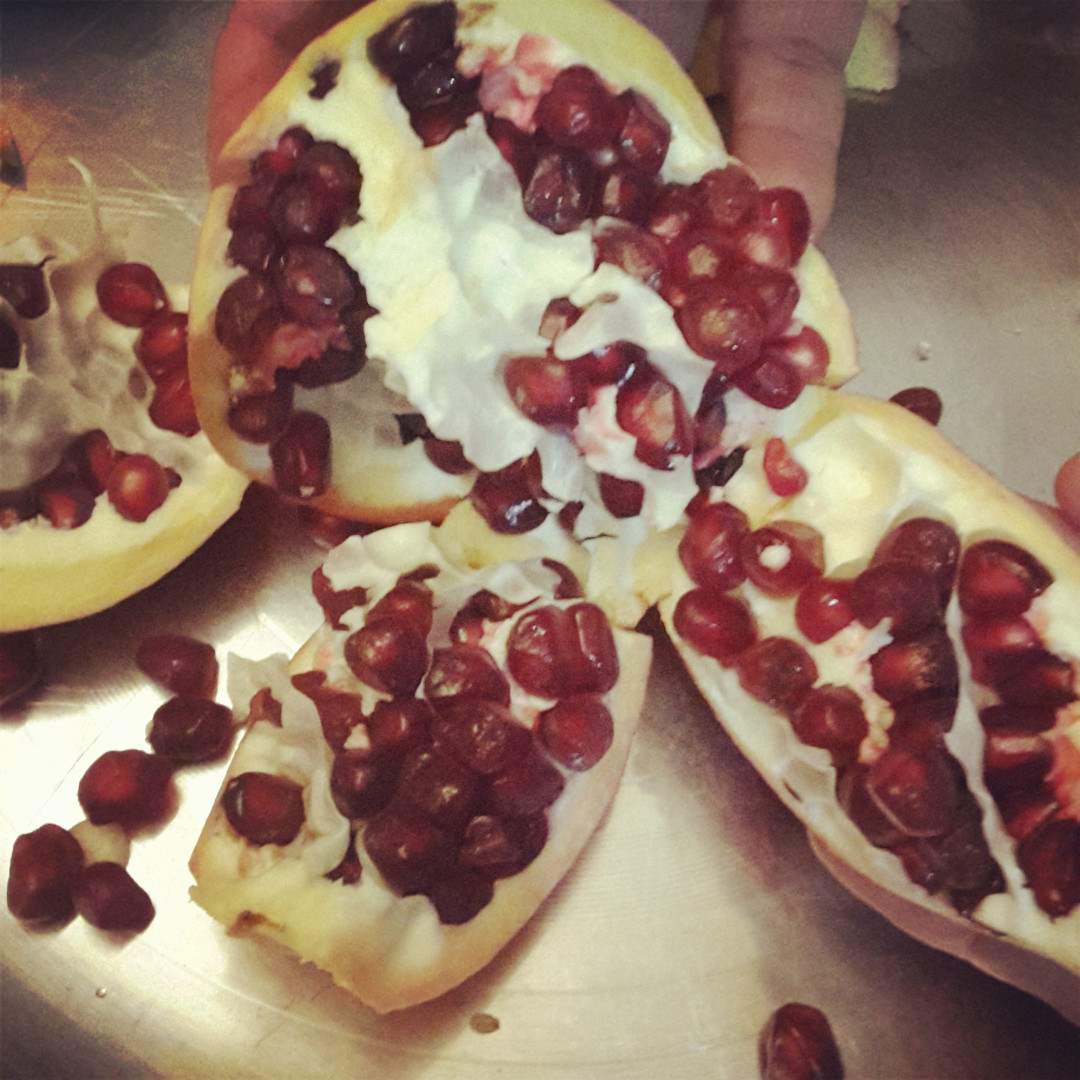
I ate a lot of these while recovering from Dengue fever. In fact, one of my favorite fruits.

I’m not one for crash dieting or diet fads.  And the buzzword right now is ‘post Diwali detox’.  Everyone is on one.  Except for those who are actually healthy.

Fasting-feasting and binge eating does more harm to your body than you can imagine.  Depriving your body and then forcing it to consume more than it needs or can handle is the perfect way to confuse your hormones.  That’s when a lot of women start to complain about hair fall, premature greying, wrinkles or other changes in skin tone/quality, and even an irregular period.

Right now everyone is dreading their plate…or looking at it fearfully and suspiciously.  Except, I’m happy to report, my students.  They have a healthy relationship with food and a holistic outlook to life.  Diwali is about celebrating and indulging and now it’s about cleaning up your diet.

Gigantic cucumber. Spotted it in a dhaba at the foothills of Singhagadh Fort. But I would be hesitant to eat it as I feel this size can only be achieved artificially.

Like I said, I don’t follow a ‘diet’.  But here are five guidelines that work for me.

  1. I try and follow an Ayurvedic diet.  So use your food as medicine.  Use lots of ginger, garlic and spices during the winter and eat lighter food in the summers.  Bangalore is neither too cold nor too hot, so I eat a moderate diet.
  2. Eat a largely clean diet.  Adding a lot of vegetables to your Maggie doesn’t count.  If you use a good quality oil, use organic veggies and whole wheat pasta – that is clean and healthy.
  3. No white sugar.  No sugar (any kind) in my tea/coffee.  There was a time when I used jaggery, but I have a sweet tooth.  And when you have  a sweet tooth you can go a bit overboard with even jaggery.  So I just don’t keep it in my kitchen.
  4. No dairy.  So only black coffee or black/green tea for me.  In my experience even small amounts of milk in tea causes a lot of bloating.  I notice a difference within just a week of having milk tea.  Curd however, behaves differently.  And sometimes I allow myself a little bit of curd.  But again, sparingly.
  5. Fruits – in moderation.  Sugar contents in fruits is very high.  So if you overdo fruit and have the traditional Indian carby diet – then it’s just extra sugar.


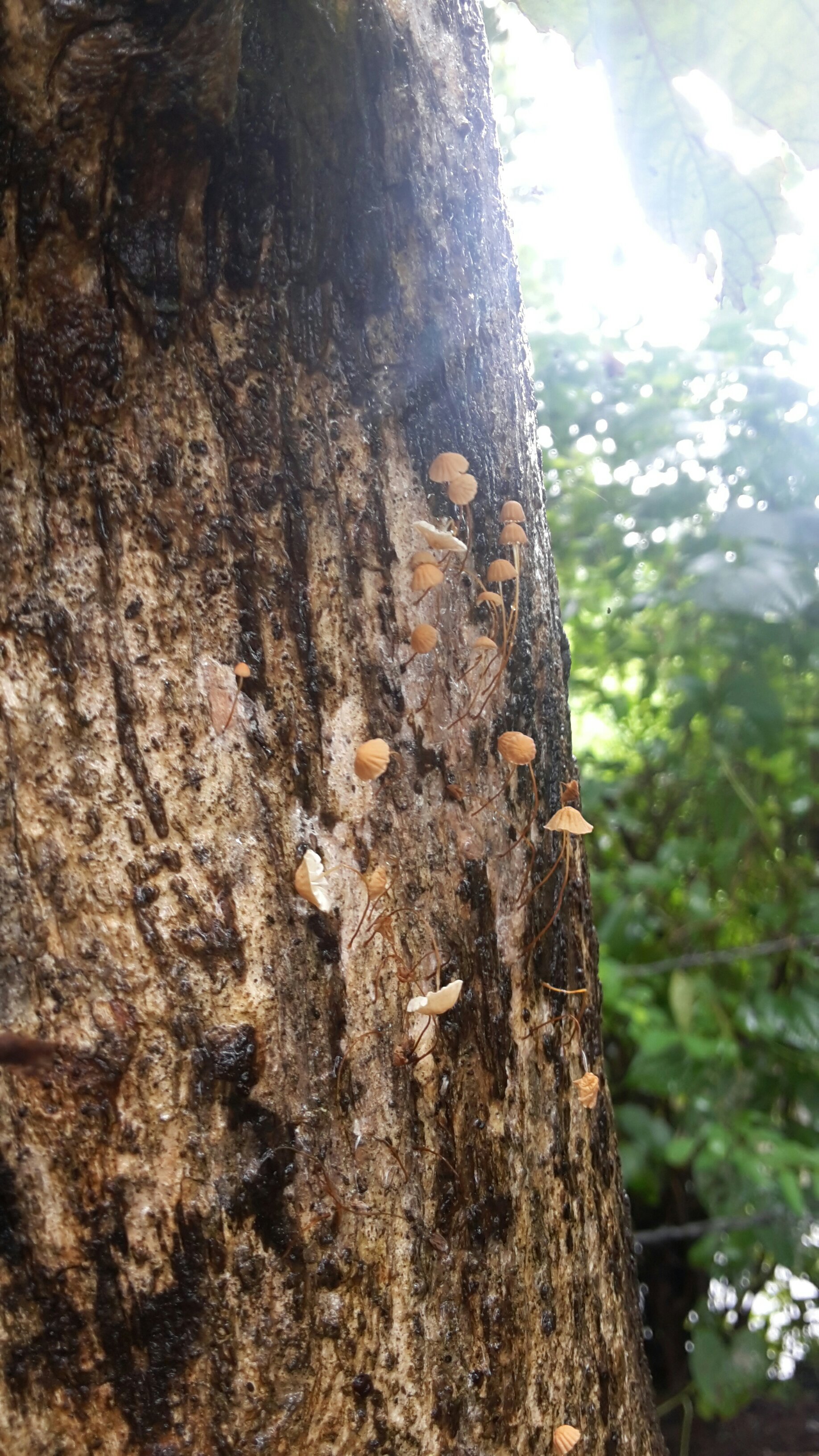
I love this picture of tiny mushrooms growing on a tree trunk at Amrapalli Farms about an hour and a half away from Pune. I use a lot of mushrooms in my salads.

Every body is different and what works for me may not work for you.  The above list is something that I put together after many years of observing myself.  That said, it’s always a good idea to be aware of what others have tried and tested.  You might be able to incorporate some of their learnings into your life.

What dietary guidelines work for you?  Let me know.

Yoga

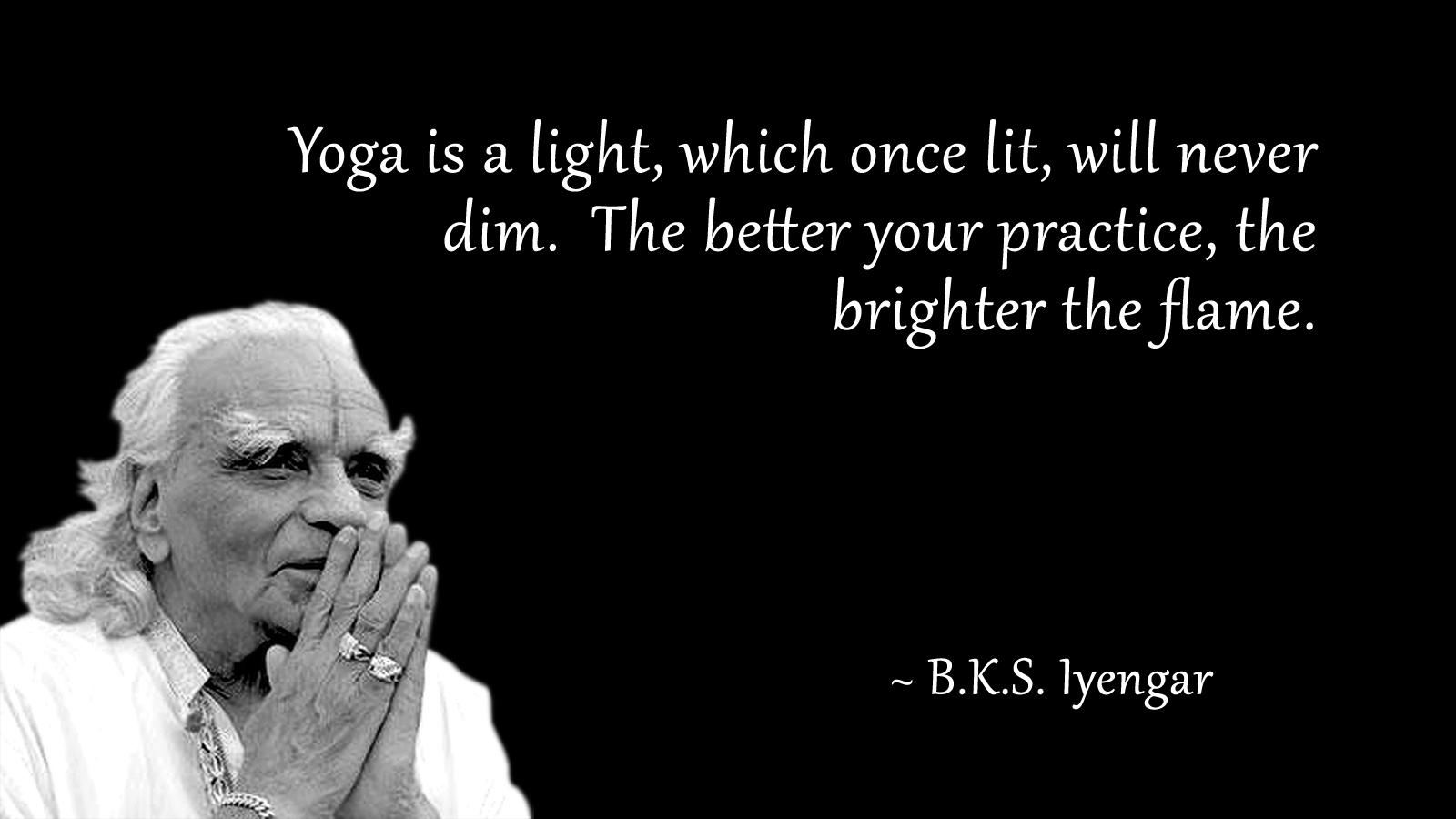
Yoga is a light…A Yogi’s Diwali

October 19, 2017

pc: Geetanjali Joshi

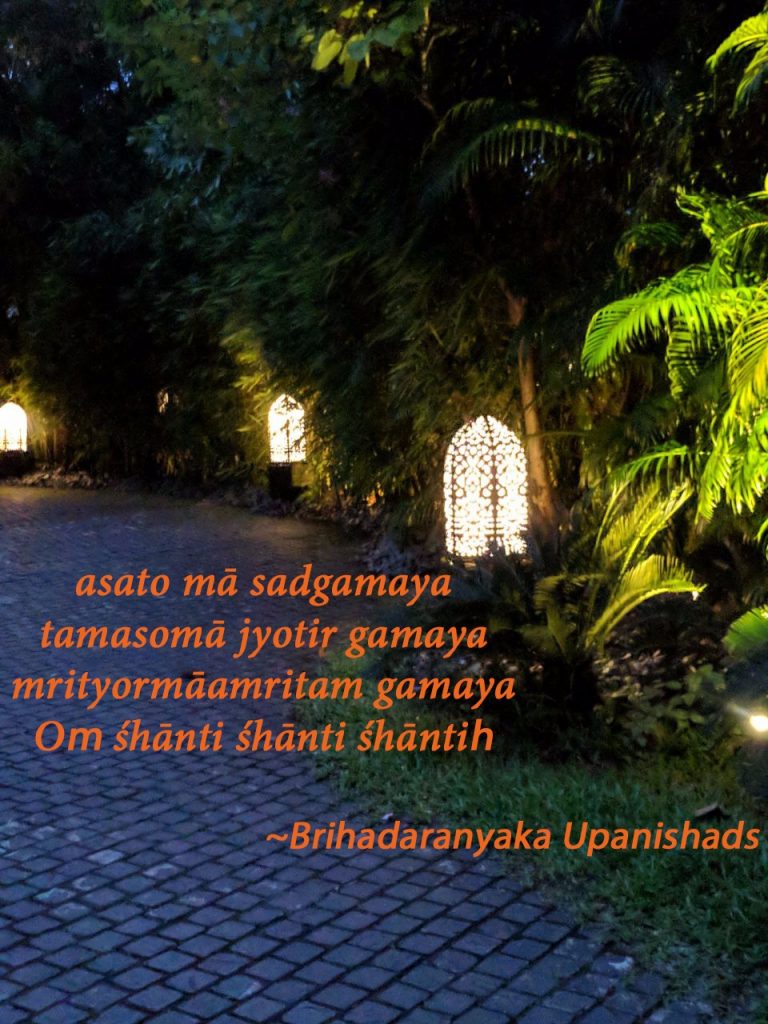
From ignorance, lead me to truth;
From darkness, lead me to light;
From death, lead me to immortality
Om peace, peace, peace

I learned the above shloka in the year 2009 when I went to SVYASA to do my Teacher’s Training Course.  I found that I was the only one unfamiliar with it.  When I went on to star teaching yoga myself, I learned from my students that this is a shloka taught widely in schools here in India.  This shloka is found in the Upanishads and is a prayer to Light.

If you look at this shloka closely, you can see the definition of the word ‘guru’ in the second line.  ‘Gu’ means darkness and ‘ru’ means light.  A guru is someone who enlightens you; takes you from the darkness to the light.  A guru gives you the strength to recognize your own ignorance and guides you towards your truth.

Diwali is then, perhaps, also a celebration of moving towards the light of truth and peace.  We celebrate the triumph of good over evil, but we should also reflect on the inner darkness that exists in all of us and pray for it to be illuminated.

During Diwali we perform the Lakshmi puja, and many people also worship Ganesha and Saraswati during this puja.  Ganesha is worshipped at the beginning of any puja and symbolizes that which clears the way to our goal.  Saraswati is the goddess of books and learning.

A yogi carries the light (deep) of yoga within.  As yogis we are on the path to truth, to the light, to peace in every moment of every day.  When we unroll our mats we are lighting a diya to a practice that is our path to a higher truth.  When we practice we are paying tribute to goddess Saraswati because the practice is a study of ourselves and humanity.  And when we resolve that we will continue the practice no matter what, it is an invocation to Ganesha to clear the hurdles that may stand in our way.

For a yogi, every day is Diwali.

The colors of the Festival of Lights.

Happy Diwali!