Pragya Bhatt | yogawithpragya

Browsing Category

Travels

Travels Food

My Changing Food Habits

March 13, 2015
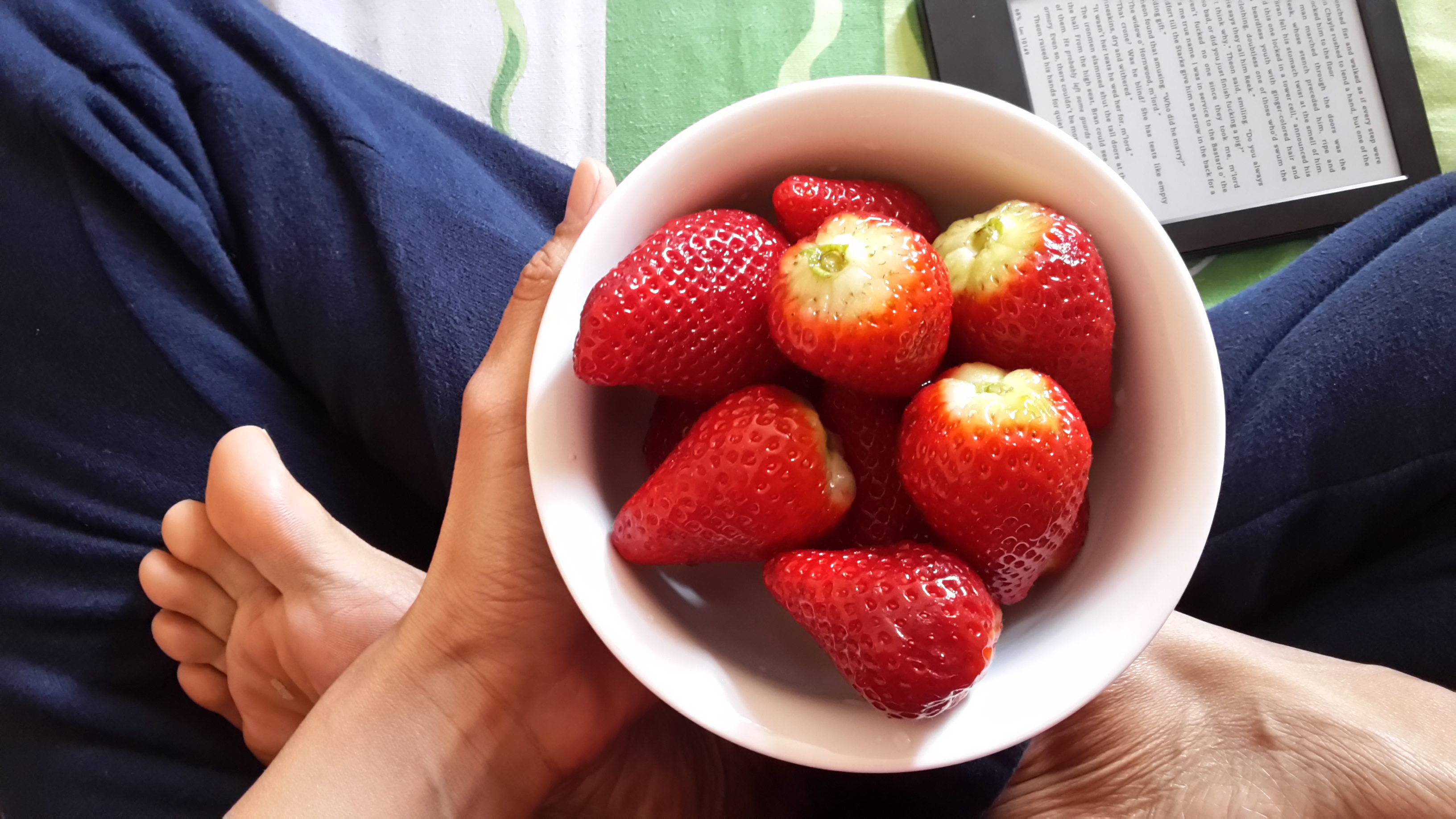
My favorite fruit - today and always.

My favorite fruit – today and always, and won’t change with my changing food habits.

I’ve been lazing around a lot lately, and thinking about my changing food habits.  Most days the only workout I get is a brisk hour long walk in the mornings.  And the speed also depends on whether we have burning issues to discuss or whether the topic of conversation is lukewarm.  The most memorable walk so far was the walk where we where our pace and the conversation was so invigorating that we realized we’d walked all the way to the supermarket (a considerable distance), and ended up picking up some things we needed.  Then we had coffee and walked back home.

Happy with my cup cakes!

Happy with my cupcakes!

I’ve been baking a lot as well.  My mousse au chocolat was a disaster.  But my cupcakes were quite good!  I’ve been exploring the food options here and being vigilant about my food choices as well.  This doesn’t mean that I’m denying myself or following some kind of diet (those who know me know that I don’t diet).  What it means is that I’m listening to my cravings because cravings are a great way for you to understand what your body lacks.  And when you are travelling then you need to be extra vigilant because the weather changes, the food changes, your mind set changes and your days change!


So here are a few observations about my changing food habits which i find interesting:

  • While my parents have their morning tea before our marathon walks, I prefer to
    My love for this will never change.

    My love for this will never change.

    down a couple of glasses of room temperature water.

  • I rarely feel like having a large dinner.  So usually I’ll have a bowl of home made soup.  And this is usually related to my level of activity.  So on Thursdays I’ll come home at 10 pm and eat after an intense AcroYoga session.  And I choose to eat after rather than before the session.
  • In the evenings I tend to reach for a fruit or juice or green tea rather than the chai my parents drink.

In India I remember I used to guzzle down loads and loads of water throughout the day.  I used to feel hungry more frequently and ate much much more.  However, even with this change, I still feel like I have loads of energy.

Do you also experience similar changes in diet/cravings when on vacation?
Nice things you see on your walks here.

Nice things you see on your walks here.

Posing during the morning walks.

Posing during the morning walks.

Posing during the morning walks.
Travels Yoga

Stretching – Then and Now

January 16, 2014
pomelo_20160910012039_save.jpg

@Malaka Spice


It’s been close to 10 days here and my routine here is as challenging as ever.  I realize that if it’s your first time here, then it does take a while to adjust and adapt.  The first time I had a 4 hour practice I was incredulous … and didn’t know how to deal with it.  Rather, I didn’t know how to make the most of it.  When I practice at home it’s only for an hour and a half, and by the end of it I’m drained out.  So the first few days here, I was always exhausted.  So much so that I felt I couldn’t give the best in the asanas and always felt sloppy and ungainly throughout the practice.  Mondays and Tuesdays specially, since practice on those days is almost 4 hours long, and by the time I’m done with practice its an ordeal just to walk home.  My fantasies these days centre around buying an apartment next to the institute so that I can crawl home in no time and surface again only for the next class.

However, now I’ve started to get used to the routine.  I’m actually able to make the most of the extended practice sessions.  In fact, 2 hours is just about enough time for a satisfying practice…how I’m going to sustain this when I’m back in Bangalore is the stuff other blog posts are made of.

Yesterday I had my class in the evening (where I’m referred to as ‘Bangalore’, and another

pomelo_20160907151815_save.jpg

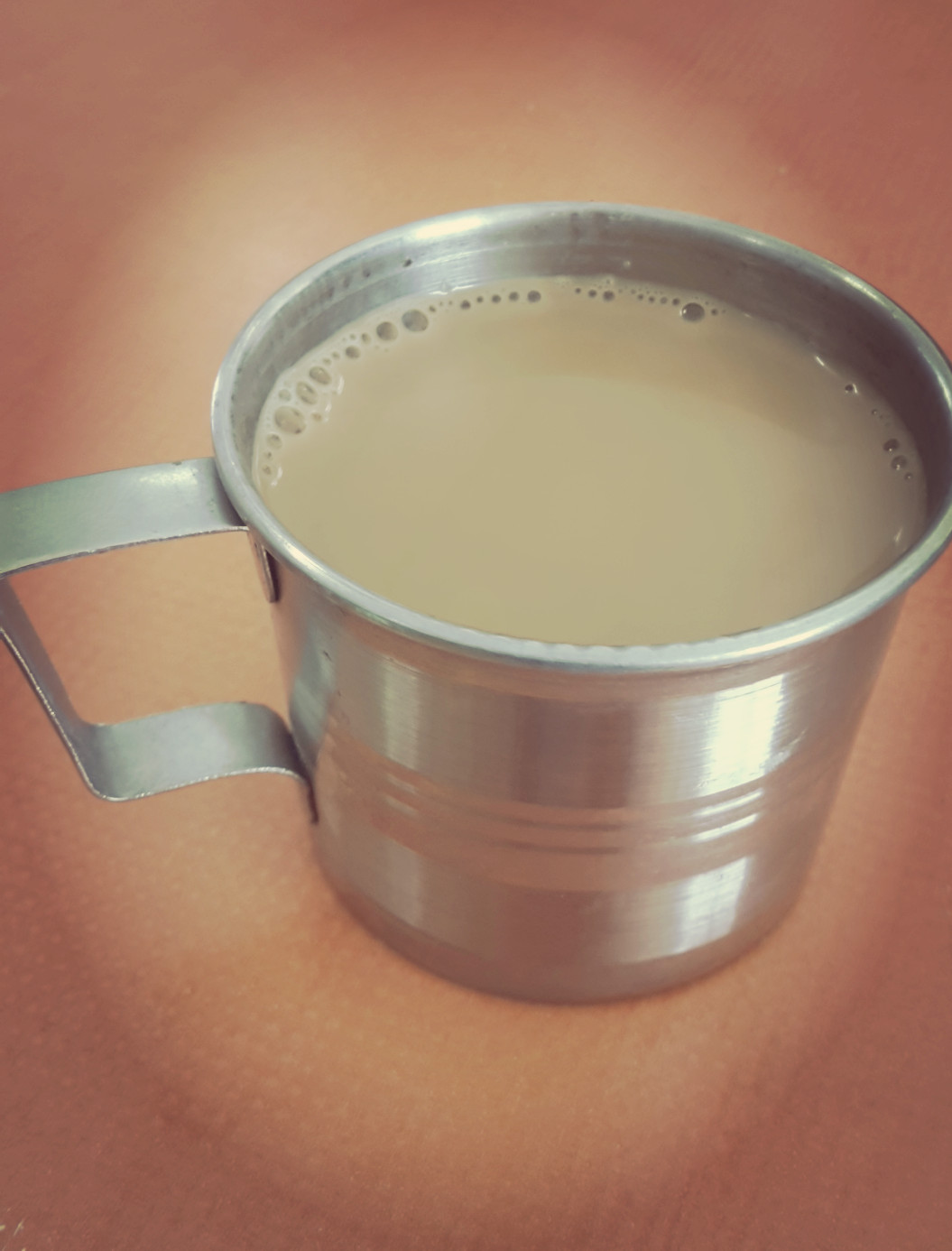
Milk tea just this once 🙂

girl is called ‘USA’, oh and then there’s ‘Madam China’ in the 6 am session).  It was an amazingly intense session.  The class was fast paced with a focus on stretching the lower body (Janu Sirsasana, Paschimottansana, Baddhakonasana etc).  Finally we did the Upavista Konasana, which is a challenging pose for me.  I slowly made my way down and eased my torso onto the floor.  I remember the days when I started practicing yoga and this pose was a big challenge.  I wouldn’t be able to extend my back and my hip joint was stiff.  As the years went by, I was still pretty reluctant to practice this pose because it didn’t come naturally at all and it was frustrating.  Even now, sometimes I’m able to execute this pose well, and sometimes I feel like lead.


Yesterday I was able to ease myself down and placed my forehead on the floor.  I stayed there kind of happy and satisfied with myself.  There’s always an element of pleasant surprise also, because some days your body can extend and some days it just doesn’t.  This reverie lasted until I heard, “BANGALORE!  You’re sleeping!  Extend more!  Walk forward with your hands!!!  That’s it, that’s good.  Trance mein chali gayi thi phir se.”

And I realized that for the most part, this is how I practice.  I arrange myself into a pose and then my mind says, “This is it, you’ve done well.  You’re done.”  And then my pose goes dead, and progress stops.  Or, as the teacher said, I fall asleep.  So when I was told to extend more, I had to push through the limitations of my mind (kind of still the internal dialogue) and discover if I could, in fact, go further.  I realized that I could, and for that little bit of time I experienced new life.  And received a bit of enlightenment.

The Halasana is a pose that we do daily in class.  We use props to ensure that the spine and neck are straight.  The picture is of me doing the Halasana many years ago.  When my internal dialogue was loud and overpowering.  I’m sure it’s improved over the years.  And after this class, I know how to work in this (and in all other asanas).

Halasana (Plough Pose)

How To

  1. Lie down straight on your back making sure your head lies on the floor.
  2. Exhale, bend your legs at the knees and bring your knees close to your chest.
  3. Lift your buttocks off of the floor supporting your back with your hands.
  4. Make sure to plant your elbows firmly on the floor.halasana
  5. Bring your body perpendicular to the floor, until your sternum touches your chin.
  6. Gently extend your legs out behind your head.
  7. Keep your face and neck relaxed.
  8. Practice with your arms stretched out behind and fingers interlocked to relive pain and cramps in fingers, hands, wrists, elbows and shoulders.

Benefits

  • Relieves fatigue.
  • Helps to calm down the mind.
  • Relaxes your eyes and brain.
  • Controls hyper tension.
  • Improves digestion.
  • Lengthens the spine and improves alignment.
  • Reduces insomnia and anxiety.
  • Relieves stress-related headaches and migraines.

Contraindications

  • Don’t practice during menstruation and if you have cervical spondylosis.
Wellness Travels

The Vipassana Meditation Retreat

February 11, 2013
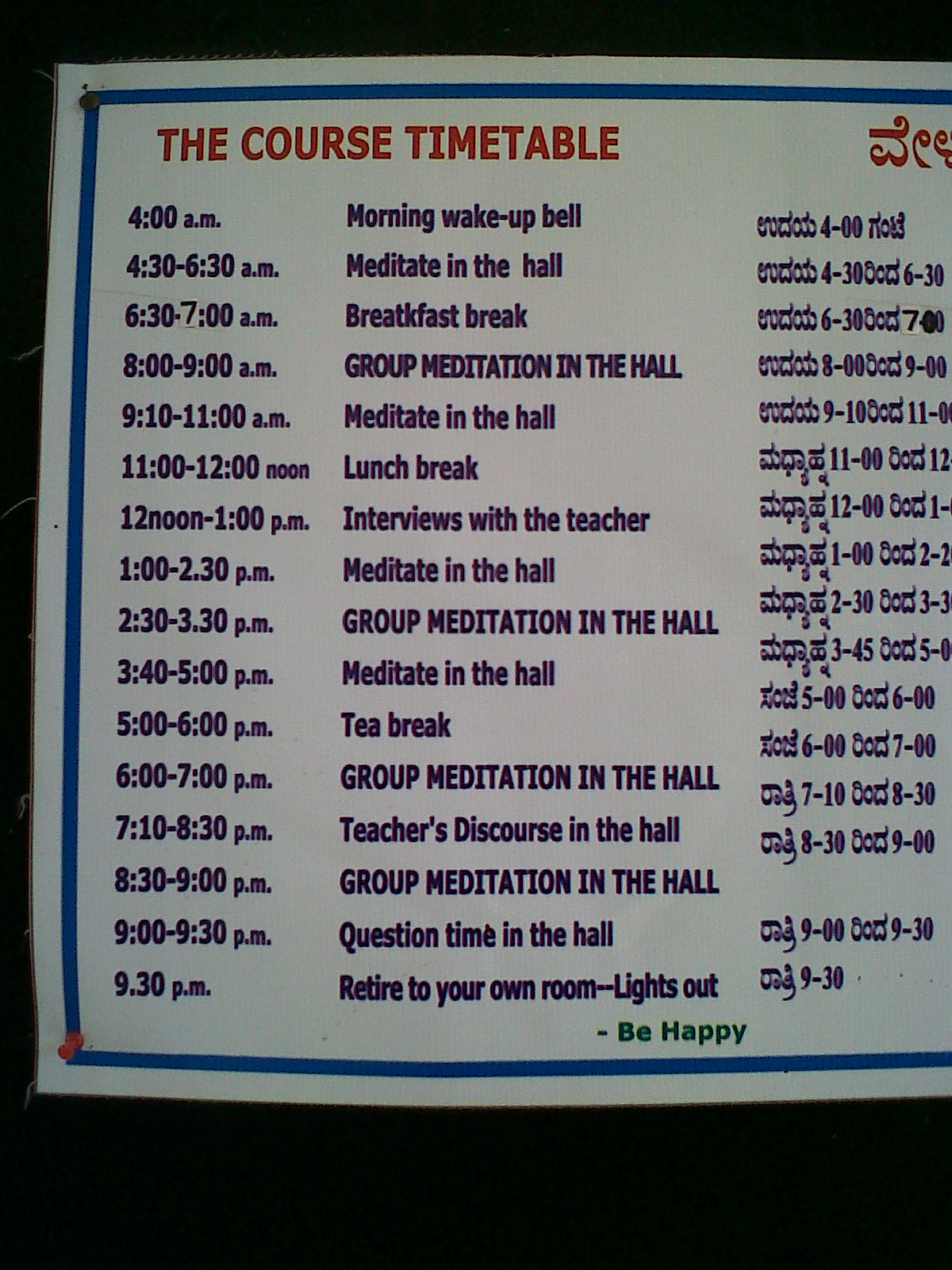
daily schedule

The schedule at the Vipassana retreat.

A Tibetan lady I met last year in Vienna said to me, “I go to a beauty parlor for my body, but I go to India for my soul.”  So, while a trip to the beauty parlor is essential and relaxing, once in a while it is necessary to look within and ensure that things are OK.

I heard about Vipassana mediation many years ago through someone who had attended the course. I vaguely remember her repeatedly saying, “It’s really good, really good. If you get a chance you should do it.” A few months later I met an army officer who had done the course. Again, “It’s really good, really good. If you get a chance you should do it.” And then finally one day I got a mail from the meditation center saying my application had been accepted.  I drove down to Alur village, near Bangalore.  Little did I know that almost 2 years later, I would be back in Alur to undergo the course again.

The Vipassana Meditation Course is a 10-day meditation retreat where you learn the meditation the Buddha practiced. However, it is not a practice limited to Buddhists. It is a practice that works on an individual’s mind and body. It is a process of observation of the sensations in the body and not reacting to any – i.e. practicing equanimity.

The Important Precepts

At the start of the course students have to take 5 precepts:
(1) not to kill
(2) not to steal
(3) not to commit sexual misconduct
(4) not to speak lies
(5) refrain from intoxicants.

In addition to these there are 3 more precepts for the old students:
(6) abstain from eating after midday
(7) abstain from bodily decorations
(8) abstain from using high or luxurious beds.

Furthermore, students are not allowed to indulge in other meditation techniques, rites or rituals, any form of worship and any physical exercise during the course. Also, students are not allowed to wear/use rosaries, religious objects or talismans. And lastly, all students have to take a vow of silence.

My Experience

While not speaking, and for that matter, communicating in any way, for 10 days may sound very difficult, I assure you that not eating after midday for 10 days is more difficult.

The vow of silence is important for any form of meditation to be successful.  In most spiritual discourses inner silence is emphasised over the silence of speech.  Many wonder how Vipassana can help cultivate inner silence if the focus is only on external silence.  By staying silent we reduce our interaction with the external world, which helps us focus on our internal world.

I remember how difficult it became to sit for meditation on the 10th day, which is when our vow of silence ended. The daily routine, otherwise, left very little time to talk. After sitting straight for an hour it is essential that you lie down to give your back some relief. Never have I been more grateful for 5 minutes of free time in which I can just lie down and close my eyes. So tiring is the routine that many people would fall asleep in the 10-minute breaks that we had in between our meditation sessions!

Vipassana for Everyone

The technique of Vipassana requires daily practice. An hour in the morning and one in the evening is the minimum requirement. There are no shortcuts in the technique. With consistent practice it gives amazing results. This is what Kiran Bedi found when she arranged for the Tihar Jail inmates to have a Vipassana Meditation 10-Day Course. I suppose even the powers that be agreed because they awarded the Magasaysay Award to her for her initiative.

Everyone has an issue or other in their lives. Some big, some small. Many of us have gone through emotional trauma that has changed us forever. All around us there are manifestations of inner turmoil (backbiting, cribbing, rudeness, nastiness, jealousy, ill will, foul moods etc.). We aren’t impervious to all the negativity around us, but perhaps we can start by reducing the negativity within us.  Vipassana can show us how.

I’d say I’m still a novice at meditation, but here’s a blog about another meditation technique I’ve tried.


Travels Yoga & Vedanta Philosophy

Salubrious climes….of Wellington

June 7, 2012
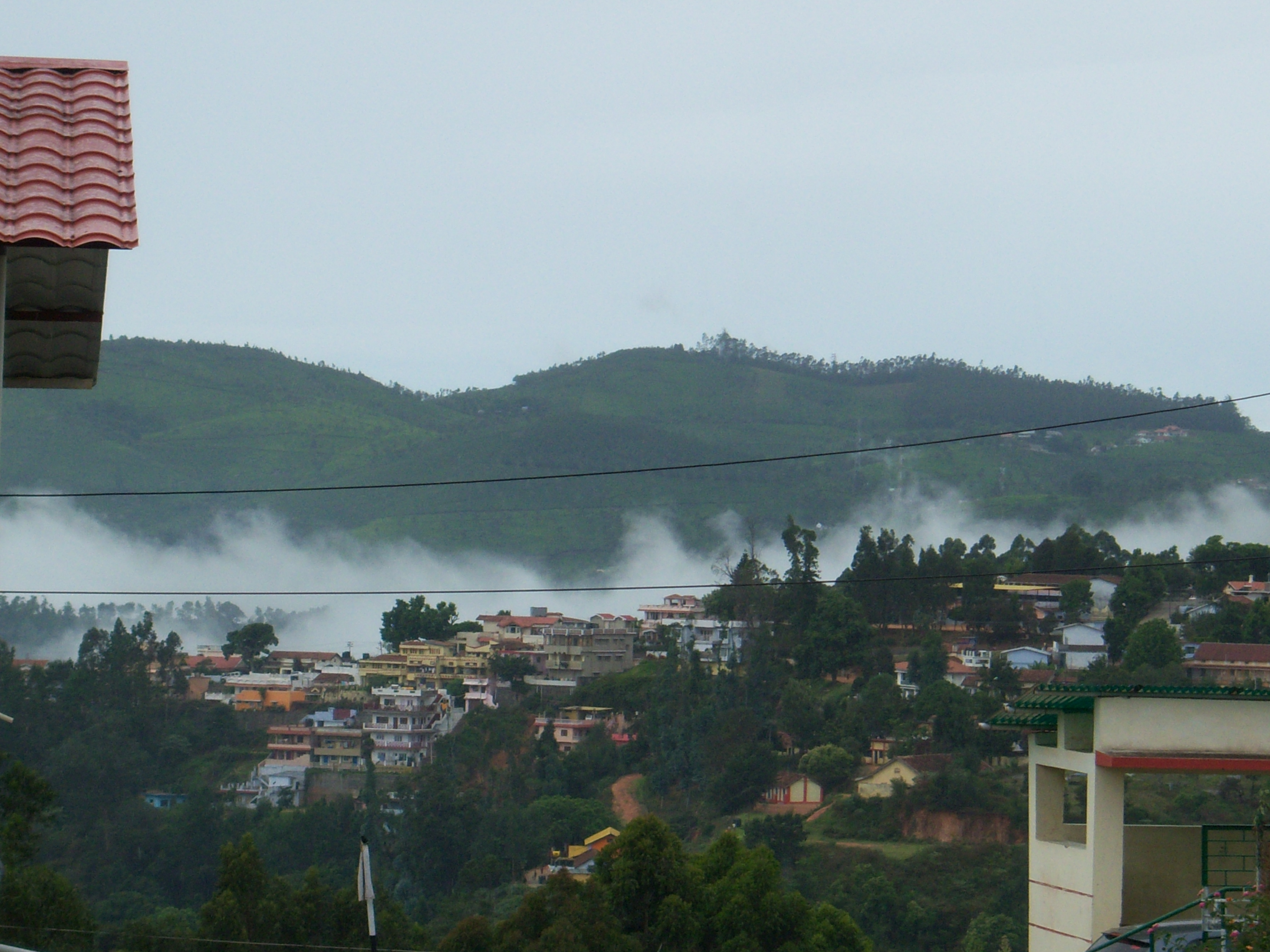
Salubrious climes!

Last night I decided to go for a walk amongst the hills and realized just how important it is to commune with nature once in a while.  In the hills you hear different kinds of birds, you see deer running across the road (yes we did!), you see langurs and monkeys and most of all you see the hill people.  They are wiry but strong, they have clear complexions, an easy manner, ever ready to guide lost newcomers.  They glide through the hills comfortably and with a spring in their step to boot!  Is it possible to imbibe this demeanor of the hills people?  Is their easy gait just a result of walking through the hills daily?  I think the answer lies in something much more deep than that.  People here in Wellington live in a plastic bag free zone.  They recognize the importance of taking care of their environment right now to reap the benefits in the years to come.  They carry paper bags everywhere and encourage you to carry your shopping in your own cloth bags.  This love for nature also fosters of sense of harmony.  And when you live in harmony it manifests as peace.  And that is what you see in the hills people.  They walk in complete contentment.  They do their bit for the hills and in turn the hills provide them with fresh air, plenty of exercise and beautiful verdant views.  I look around myself and I’m unable to believe that I get to live amidst such beauty and unadulterated nature.  Because nature is so bountiful, it makes me want to do my bit.  And I will.  On my walks I will stop to smell the roses (or whatever flowers exist in these hills).  I will be careful not to use any more plastic bags or bottles.  A friend of mine has started using her empty wine bottles to store her water.  Excellent initiative.  I will try to walk or use my bicycle to travel around these beautiful hills of Wellington.  And most of all I will be thankful that I will get a chance to expand my practice in the lap of nature itself.

I tried to capture pictures of the mist rising through the mountains from my balcony this morning.

Image

Yoga Travels

Mudras at the Delhi Airport!

March 11, 2012
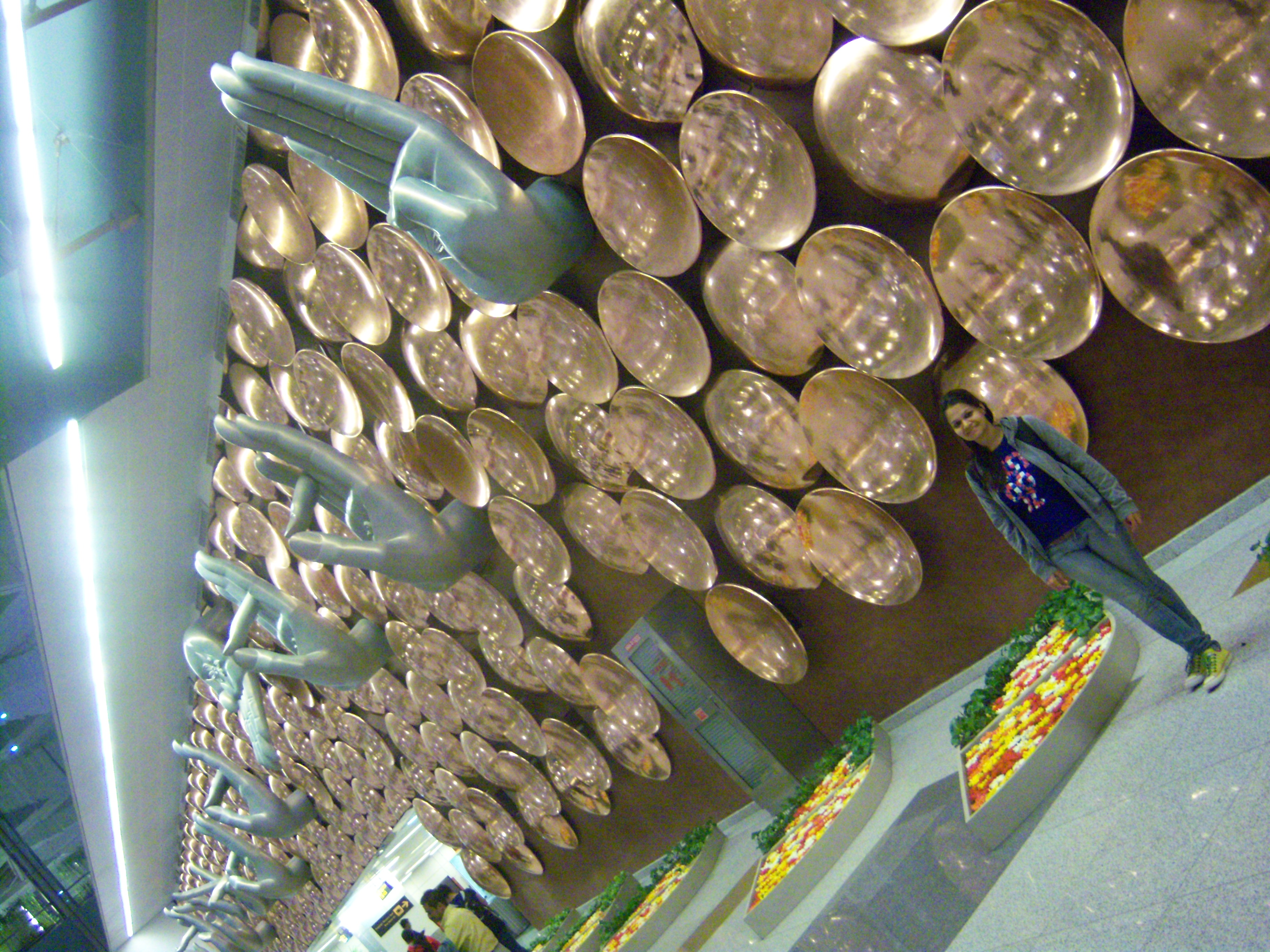
Mudras at the Delhi Airport.

Mudras and More

As a yoga practitioner I’m very happy that the Indian government supports yoga and considers it a soft power. India is the land of yoga and I’m always delighted to find yoga mudras, asanas and even shlokas spread across this wonderful country. Which is why I love love love landing at the Delhi Airport and taking a moment to admire this beautiful wall.

Continue Reading