Pragya Bhatt | yogawithpragya

Travels

Dev Deepawali – A Well Kept Secret

December 15, 2023

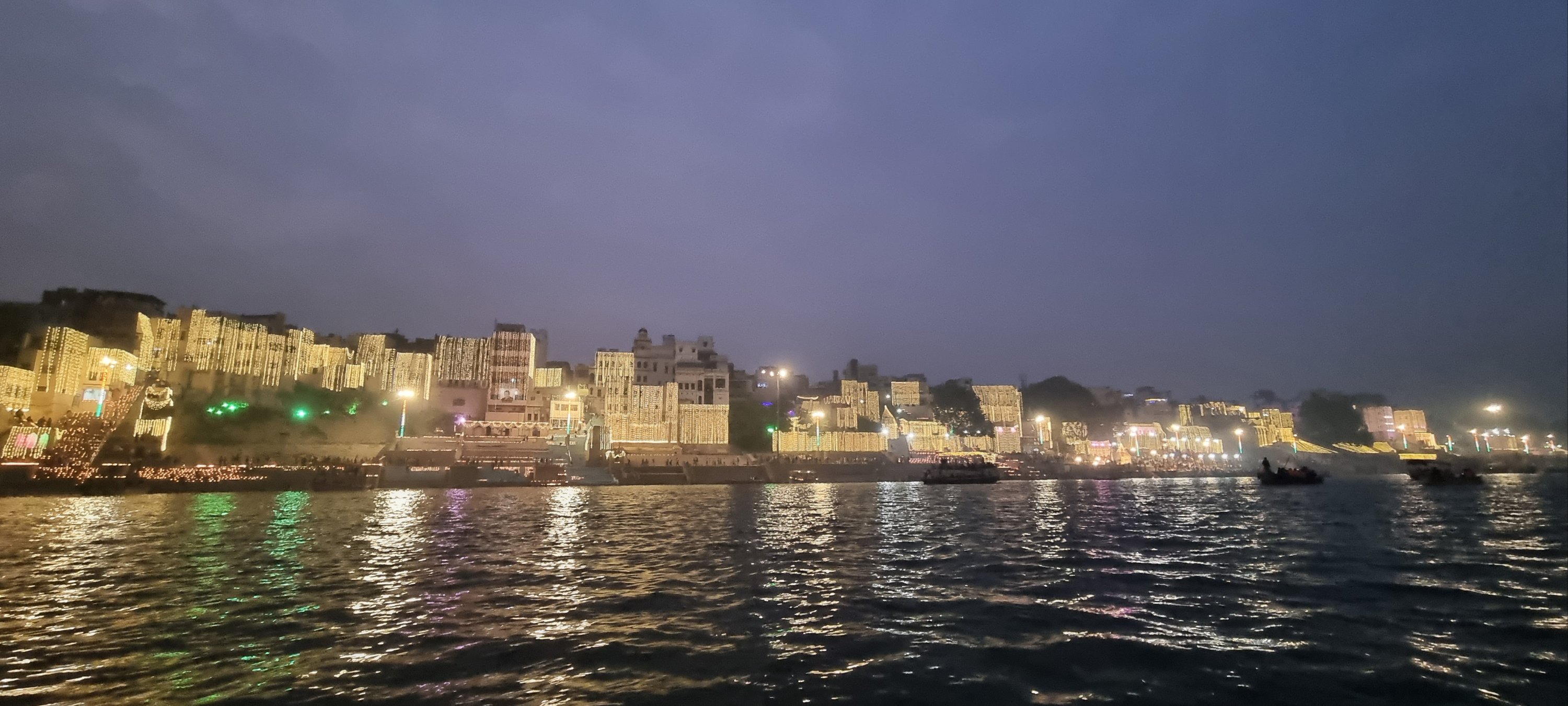
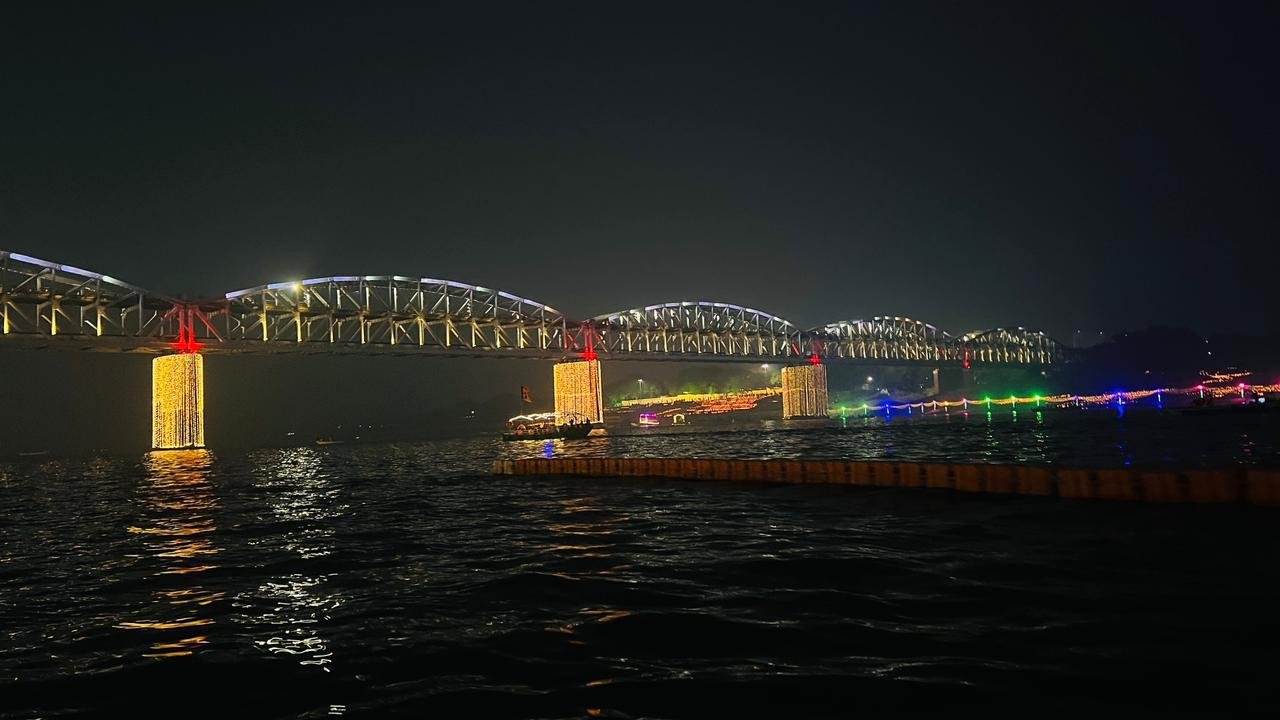
The bridges across the Ganges are also decked up for Dev Deepawali.

I wrote quite a few blogs about my trip to Varanasi last year.  I mention sailing the Ganges to look at the ghats, the Yogini temple, the magnificent Ganga aarti etc.  Last year I heard about Dev Deepawali – a local festival celebrated on a grand scale fifteen days after Diwali is celebrated across the country.  At the time I remember thinking I’d love to see that, and hopefully next year.

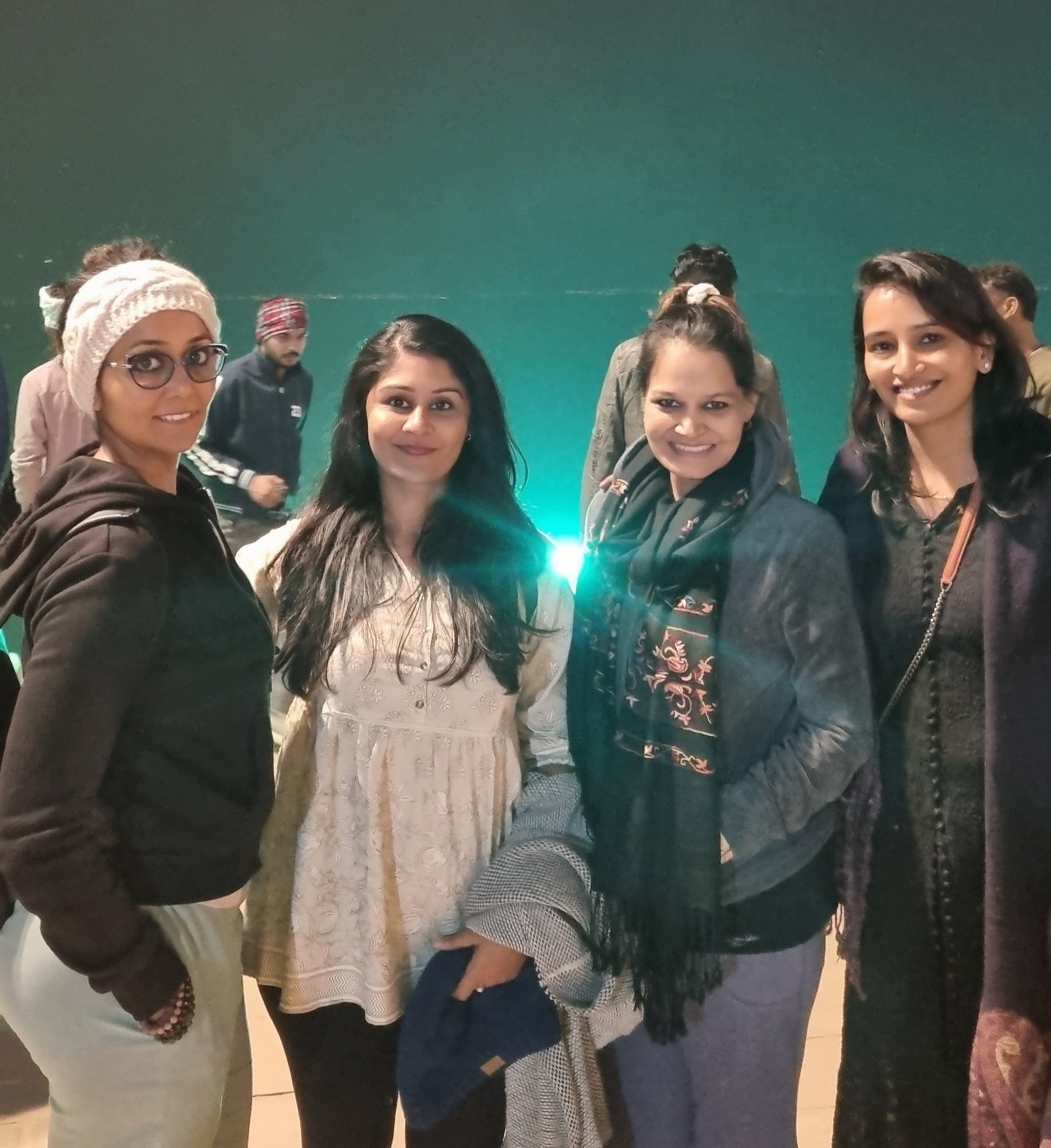
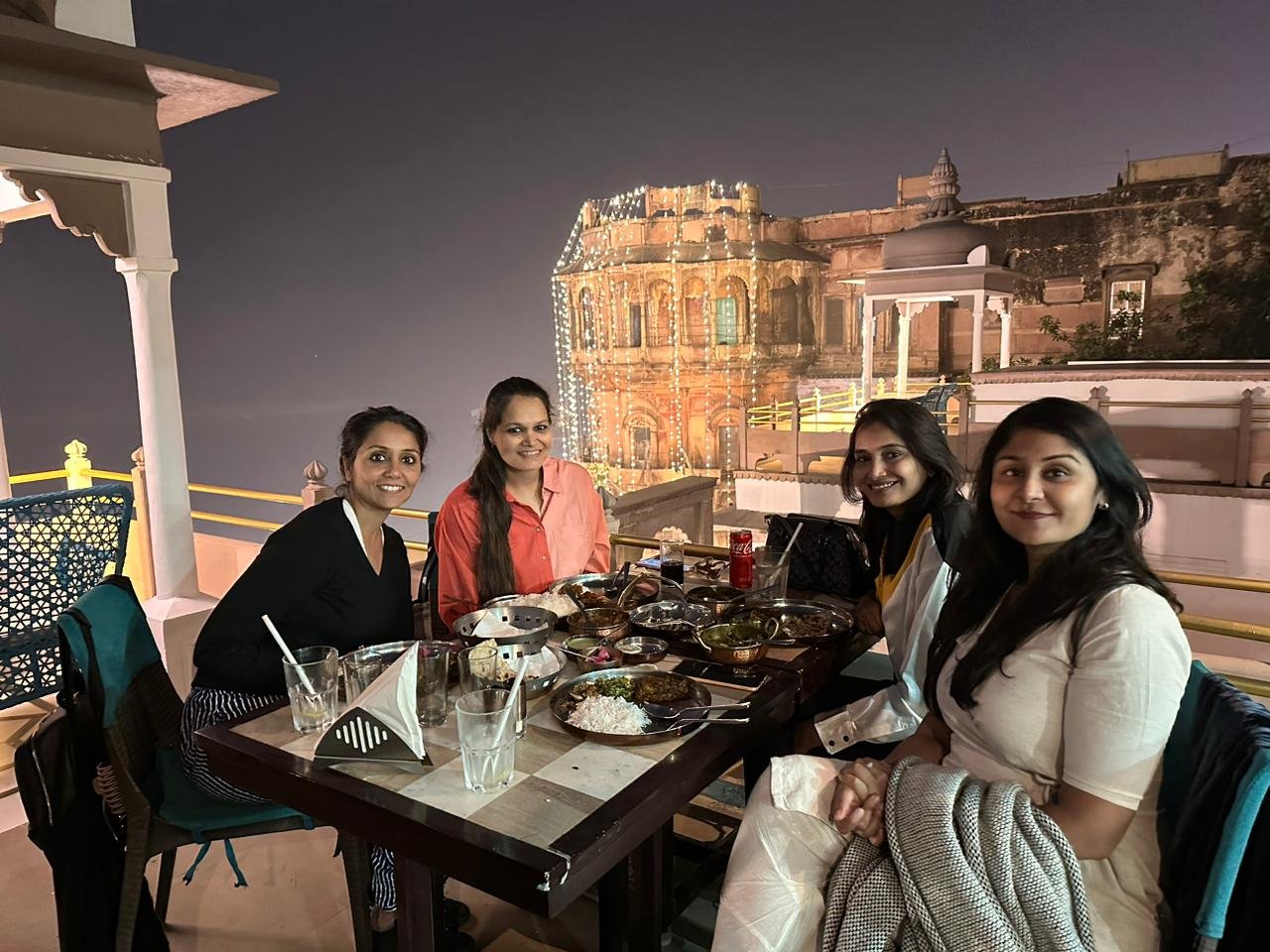
I forgot all about that until my sister in law asked me about my plans over dinner one night.  Within two days I had roped in another friend who roped in another … and soon the four of us were off to the oldest city in the world.

The Celebrations

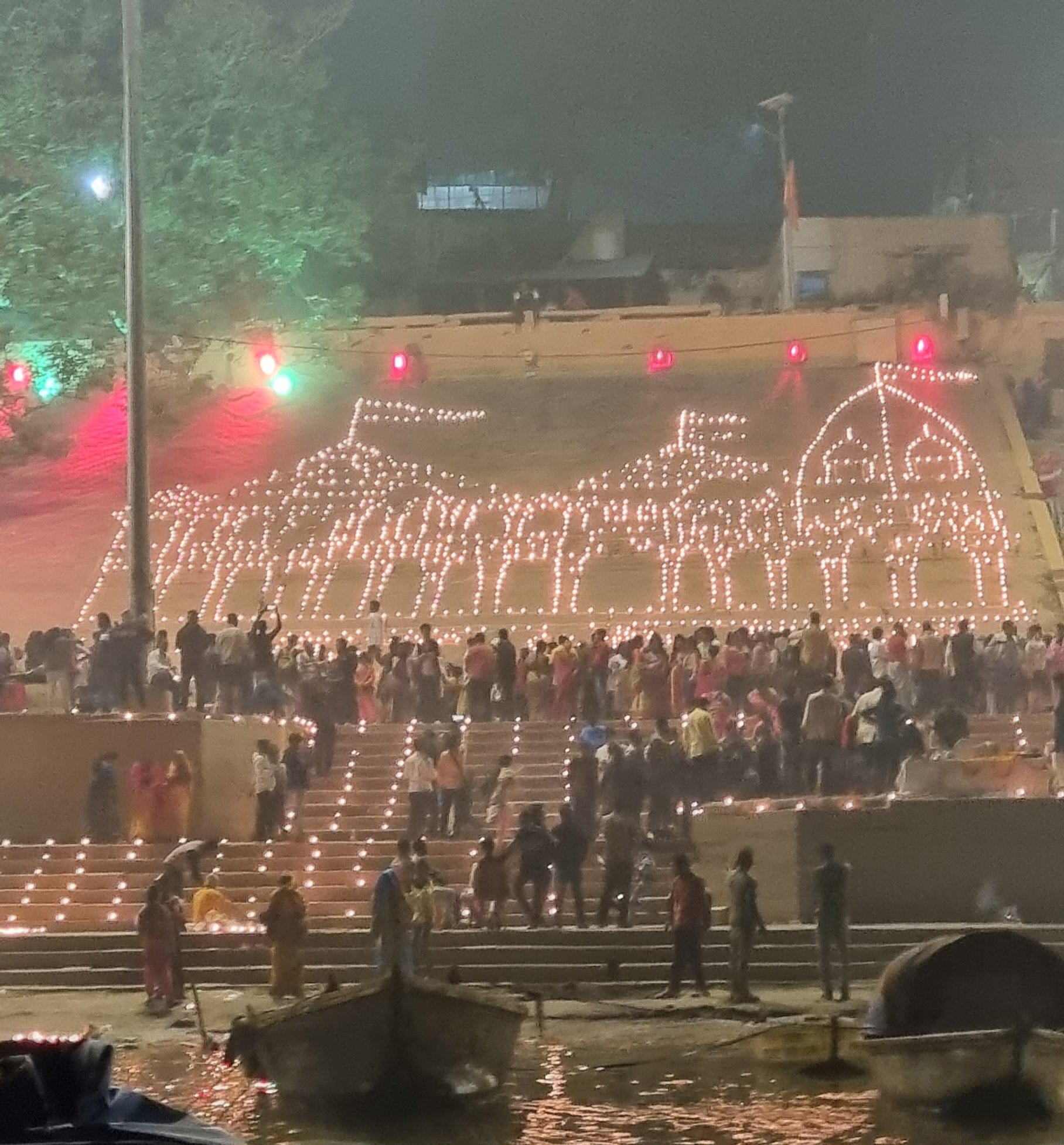
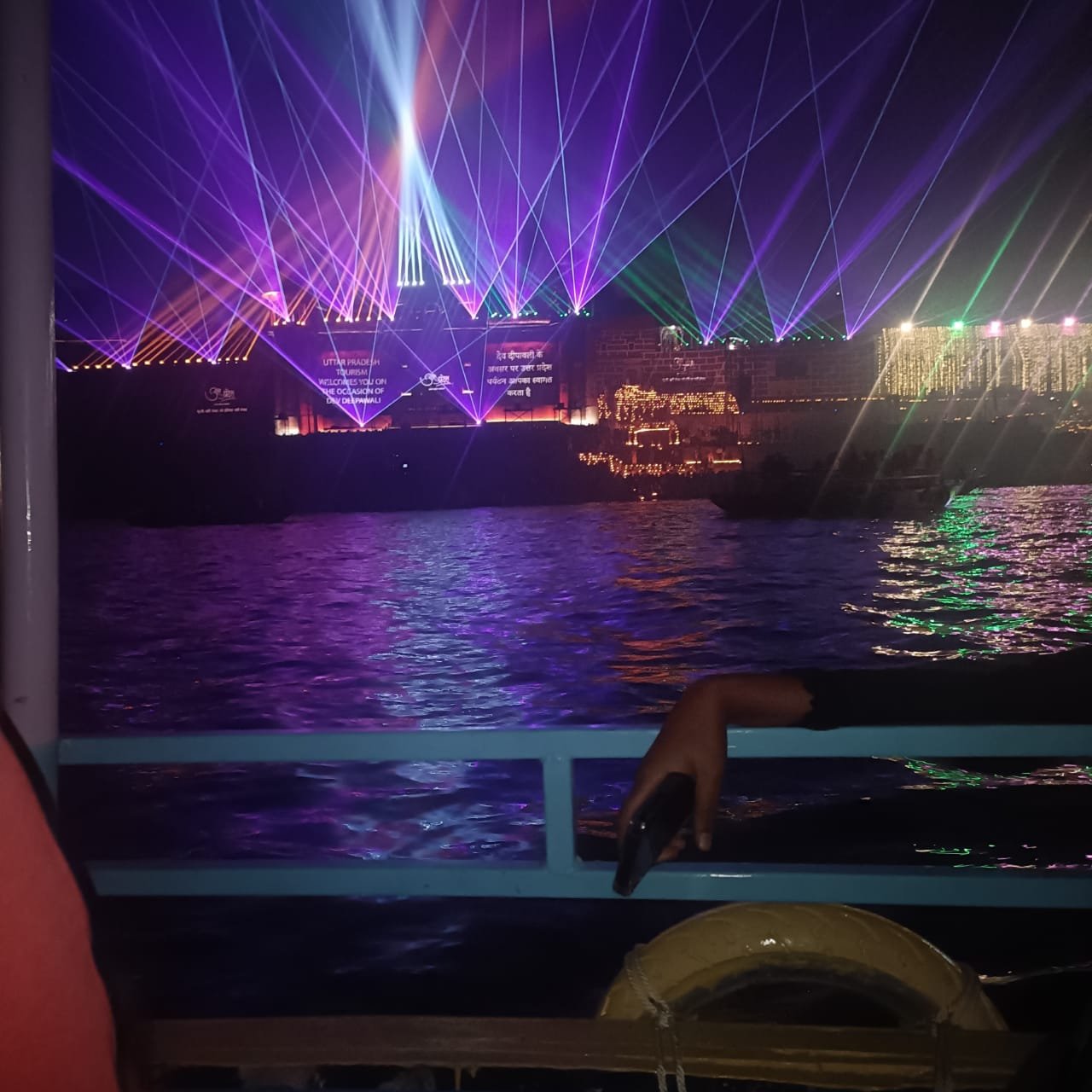
Dev Deepawali can literally be translated as the ‘Diwali of the Gods’.  Although now Dev Deepawali has started gaining traction -it’s basically a local festival, celebrated only in Varanasi.  Women dress up in beautiful saris, apply henna on their hands and wear the prettiest jewellery.  The high point of the event is the lighting of the ghats with a million (not an exaggeration) diyas.  In addition to this, there is a magnificent sound and light show depicting the story of Dev Deepawali, that you can watch.  This year diplomats from 70 countries attended the celebrations.

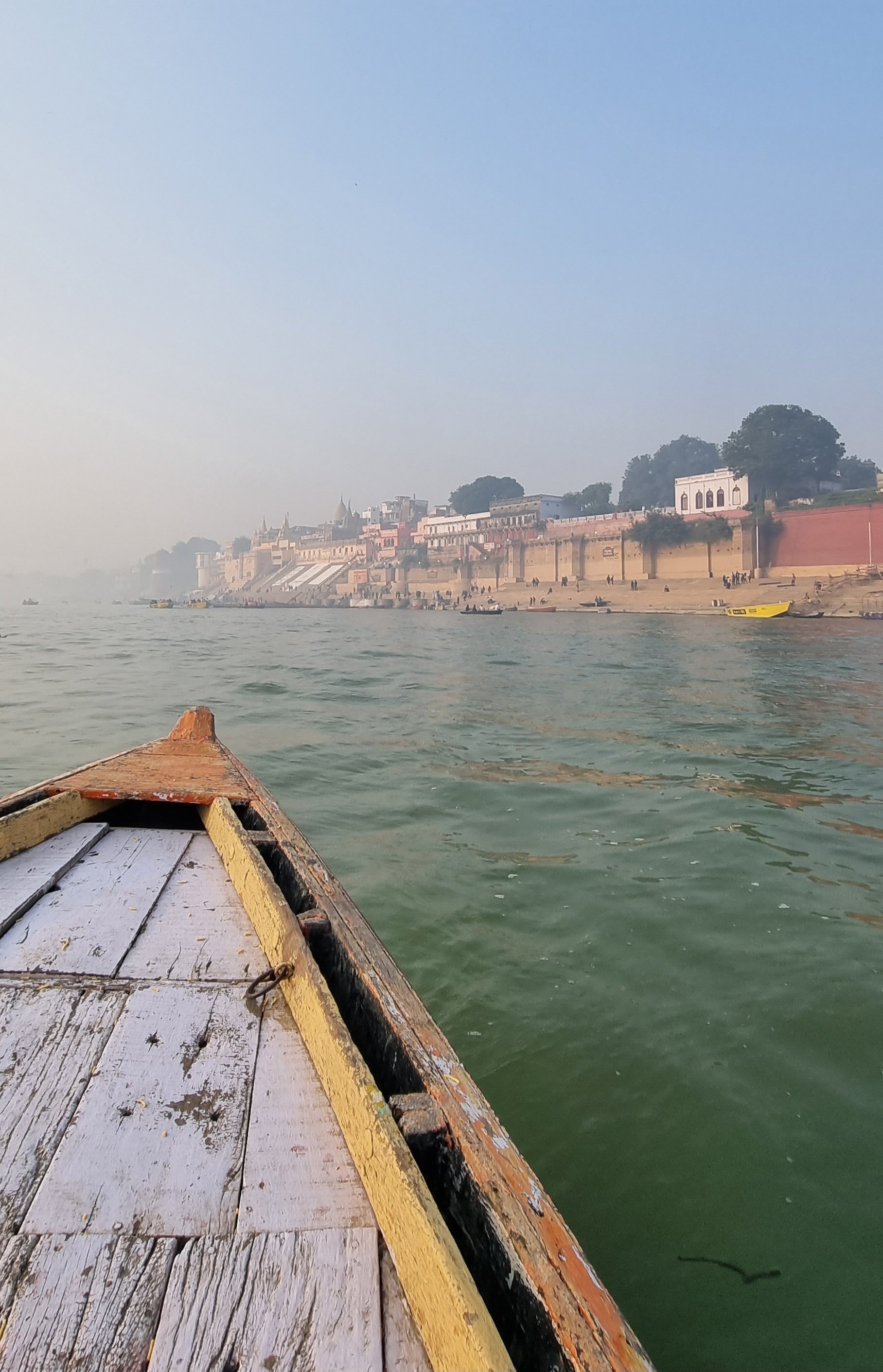
The best way to experience Dev Deepawali is from a boat on the Ganges.  The Government of UP organises special cruises on the Ganges and tickets for these are exorbitant.  So exorbitant in fact that we didn’t bother checking the prices and decided to get a smaller row boat and split the cost between us.  We were 10 people and we split the Rs. 20000/- between us.  It’s a good idea to work out a deal with a boatman in advance because the boats sell out fast.

The Boat Ride

Once you’re on the boat you’re required to wear a lifejacket.  Police petrol the waters to make sure everyone is safe and that there are no accidents.  The ride is basically sailing from the first ghat to the last and observing the different decorations.  The entire Ganges had a festive vibe, and it’s truly unique – you won’t see the Ganges like that any other time of the year.  We spent about two hours on the boat, and there was never a dull moment.  It’s worth planning a trip tp Varanasi just to experience this festival.  Also, don’t miss the fireworks.

The Man Singh Observatory

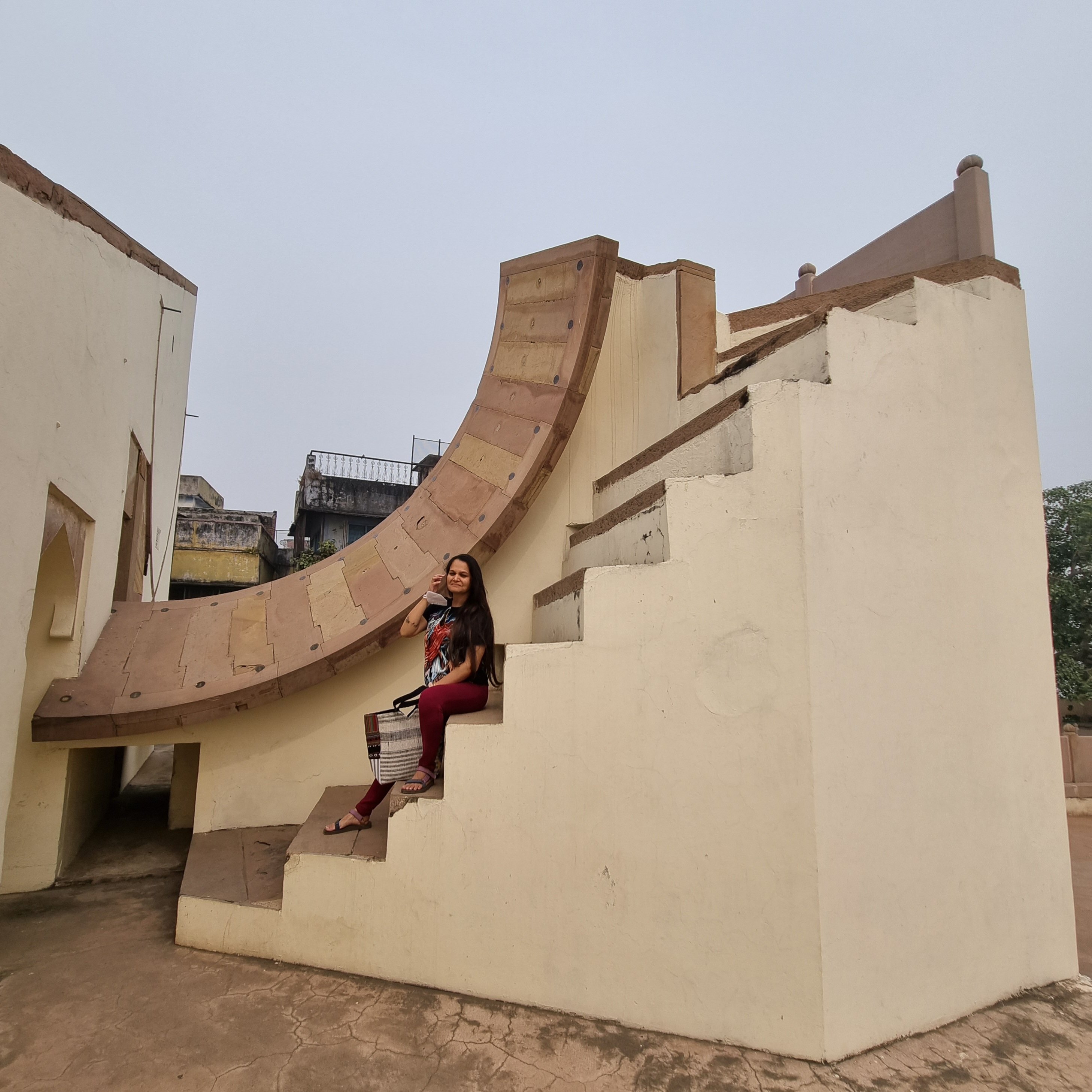
Another place that had a superb sound and light show is the Man Singh Observatory on the Man Singh Ghat.  The observatory was constructed by Raja Man Singh of Rajasthan and contains various types of compasses to measure the position of the planets and stars.  These measurements were used to tell time and to make the lunar and solar calendars.  Today these compasses make for interesting photo ops.

The Observatory was also a palace, and its first floor is now a museum cum exhibition space.  There are interactive exhibits about different aspects of Varanasi, such as the art, the folk dances, the weaving and the architecture.  Certainly makes for an interesting afternoon.

The main hall on the first floor (which is humongous), has been converted into the sound and light show theatre.  The show is only about 15 minutes long and shows how the Ganges came to Varanasi.  However, it’s only in Hindi, so difficult to understand for non-Hindi speakers.  But I would still recommend it for it’s amazing picture quality.

The Kashi Vishwanath Temple

No trip to Varanasi is complete without a darshan of the Kashi Vishwanath Temple.  This historic (and controversial) temple draws thousands of pilgrims every year and it’s particularly crowded on the Dev Deepawali weekend.  The temple is significant because it’s one of the twelve jyotirlingas, places where it is believed Shiva appeared as a long fiery pillar of light.  This legend makes the jyotirlingas special, and contributes to the energy that is palpable here.  There are long lines for the darshan, but a ticket can be booked online, and this might reduce the wait time.  If you go early morning, you’re less likely to run into the surging crowds.

A Walking Tour

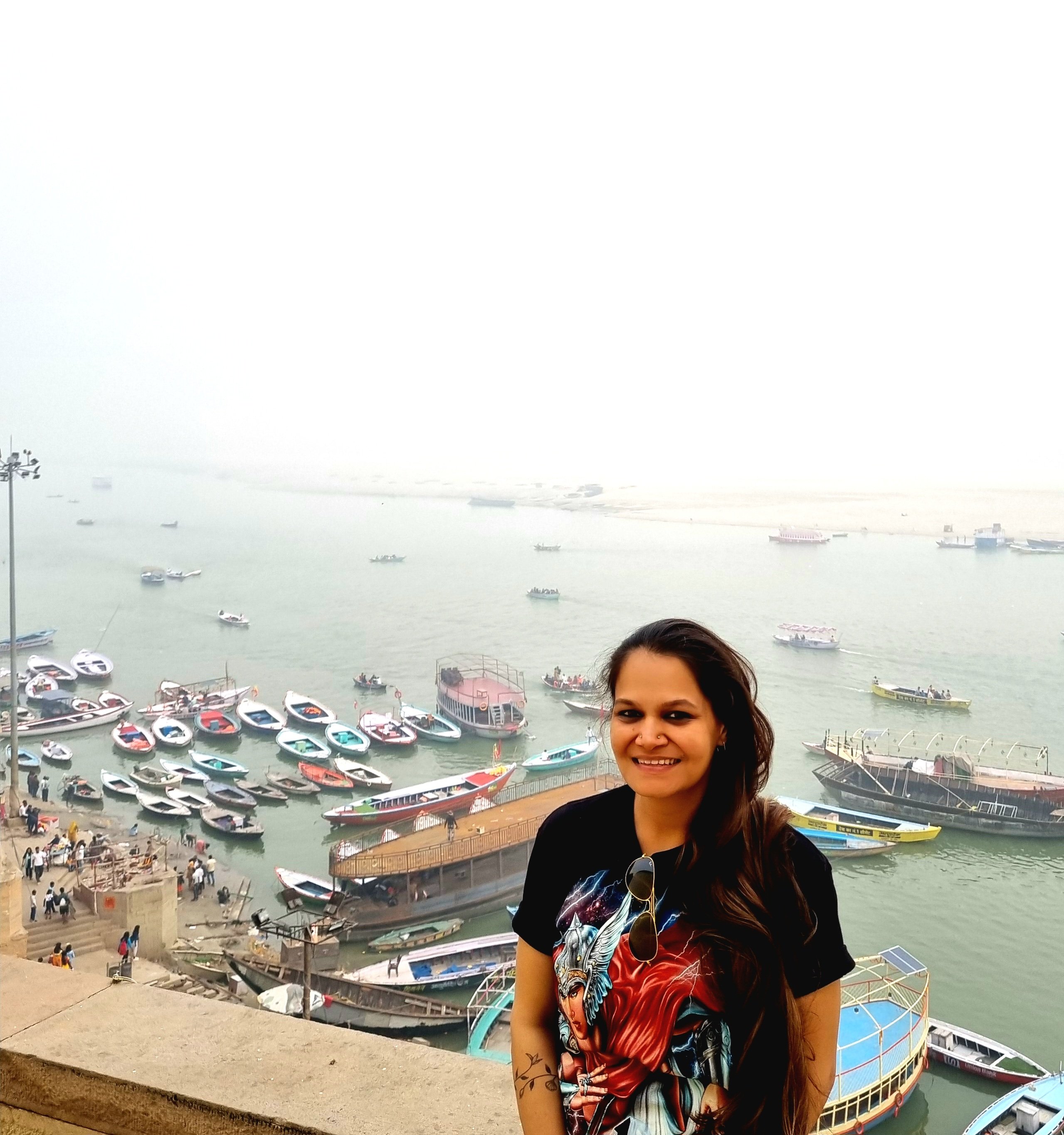
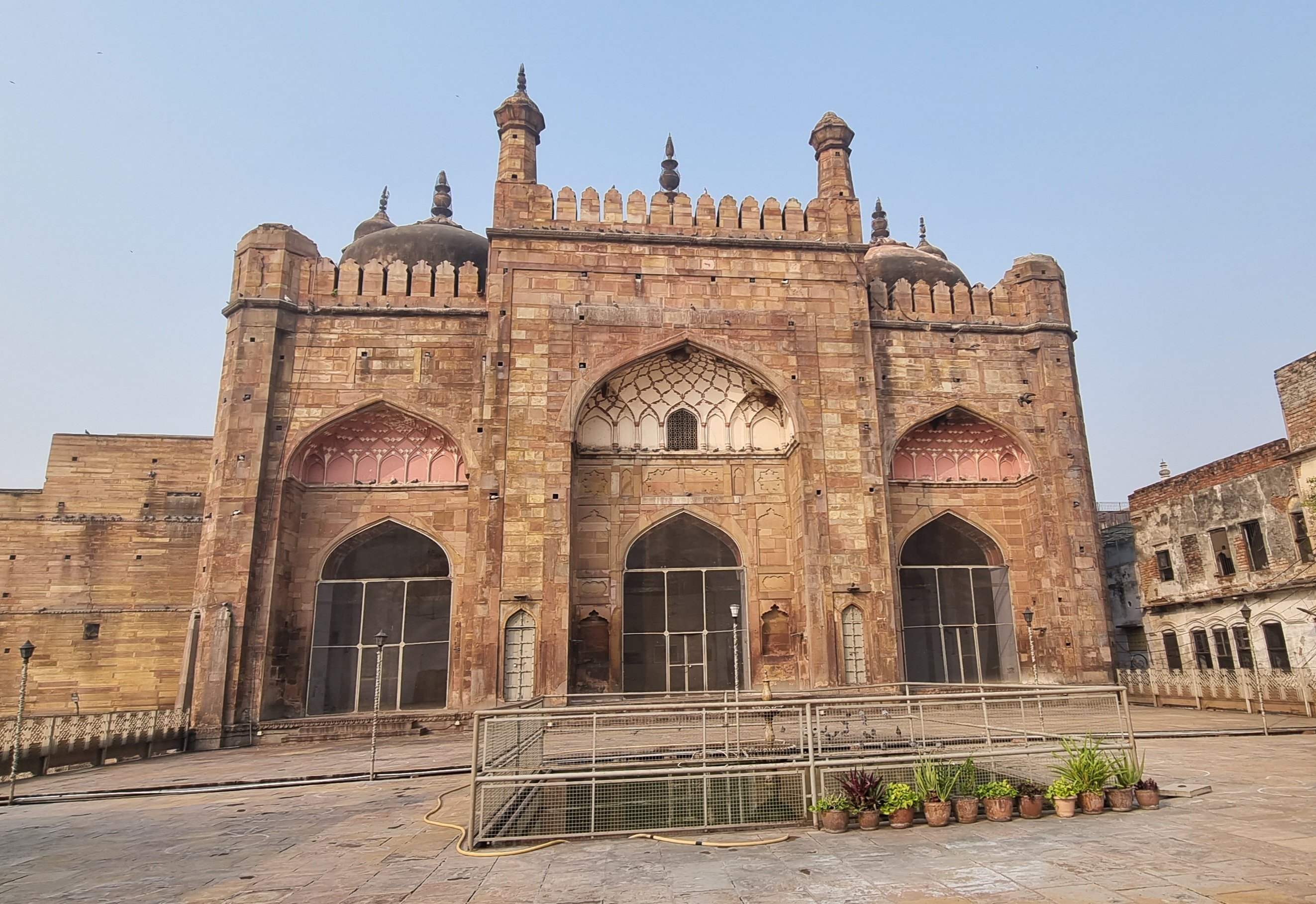
The ghats of Varanasi can be explored on foot and lately many people have started offering walking tours.  This is a fabulous way to explore the ghat area, and if you find a good and knowledgeable guide, you can learn a lot about the history and legends associated with the oldest city in the world.  Our tour took us through the ghats, on a boat to the Alamgiri Mosque to the bylanes of Varanasi and finally to a great lassi and malayyo stall.

Alamgiri Mosque

Travels Ashrams

My Fortuitous Meeting with the Hugging Saint

October 28, 2023


Amritapuri Ashram, birthplace of the Hugging Amma

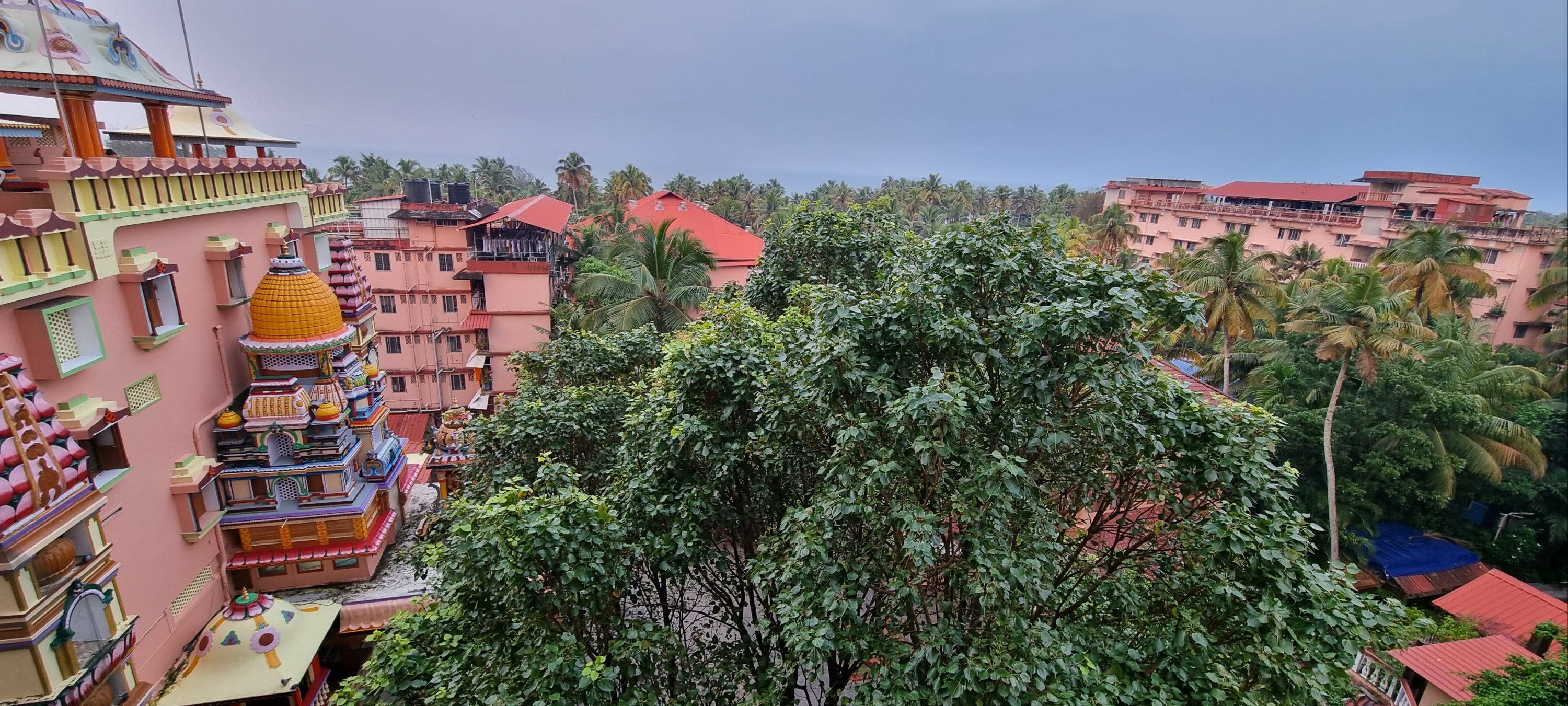
A view of Amritapuri Ashram, birthplace of the Hugging Saint, from the 9th floor of the residential building. You can see the Kali temple on the left and the ocean in the horizon.

Over a long brunch last Sunday my friend Sowmya told me she was heading to Trivandrum to meet her guru.  “Who’s your guru?” I asked her.  “Amritanandi Maa,” she said, as though to have the world famous Hugging Saint as your guru is the most natural thing possible.

Decades ago I read a fun and entertaining book called Holy Cow, where I first came across the Hugging Saint.  I didn’t think then that one day I’d actually get a chance to meet the saint.  I rescheduled/cancelled a bunch of classes and on a sunny Wednesday afternoon Sowmya and I were on our way to Amritapuri.  The countryside was lush and the glimpses of the ocean made the journey enjoyable.

Continue Reading

Books

7 Books to Read if You’re Headed to Vietnam

October 4, 2023
Book street, vietnam

[The above is one of my favorite pictures from Vietnam. Not only for its colors and huge red heart – but also because it’s at the Book Street in Hanoi – a surprise discovery we made while walking around the city.]

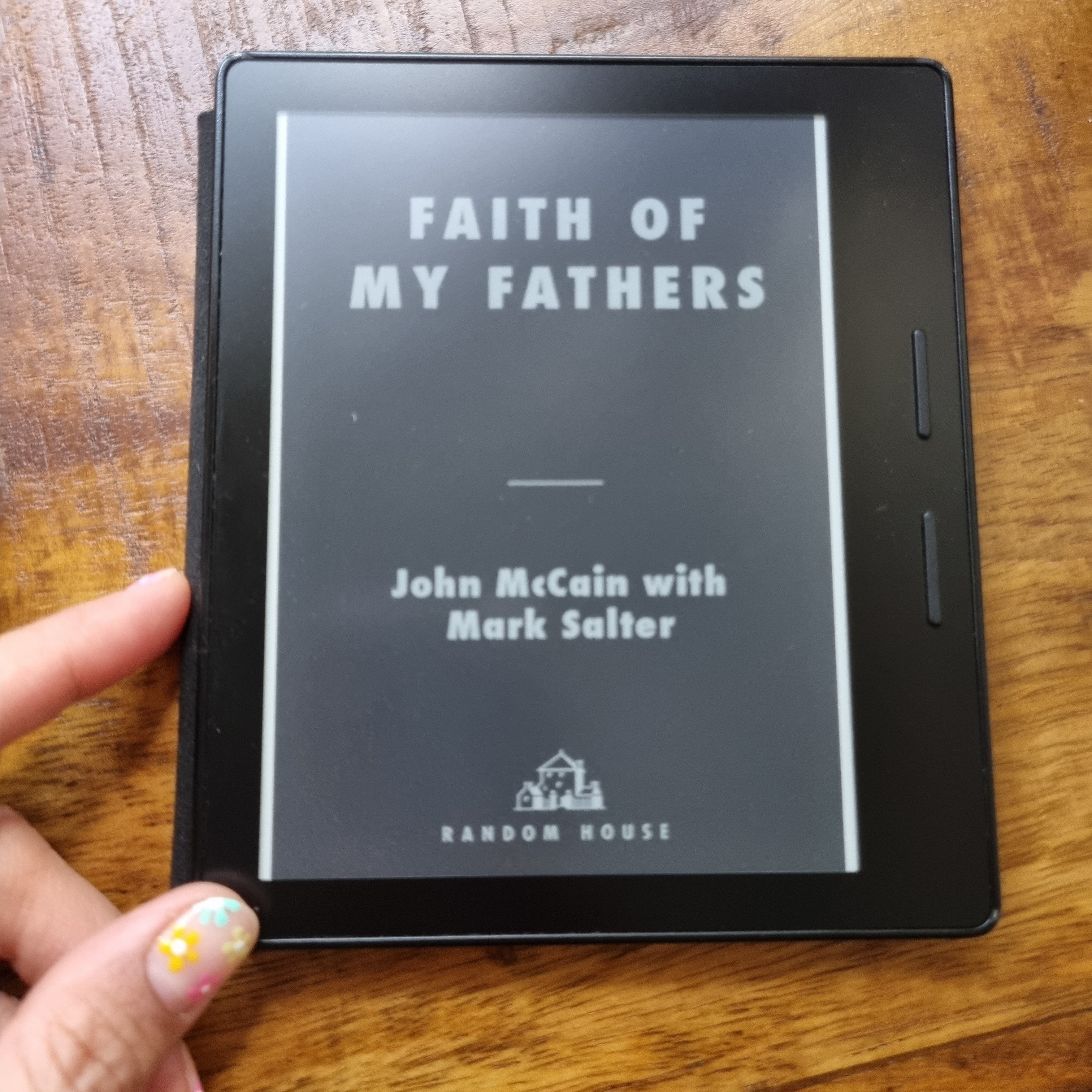
1. Faith of my Fathers by John McCain

Growing up the only thing I knew about Vietnam was the Vietnam War.  ‘Faith of my Fathers’, is about a soldier’s first hand experience as a PoW.  The book is an autobiography and the first half is about John McCain’s father and grandfather – both highly decorated officers in the US armed forces.  The book is well-written, but I’m not particularly interested in the US army and how it functions so the first half of the book was a bit dull for me.  It gets more interesting when McCain writes about the 6 long years as a PoW in the Hanoi Hilton.  The horrors he recounts make me recoil – and I feel the larger message of the book is about the strength of the human spirit and the value of courage and dignity.  McCain spends a lot of time making fun of his Vietnamese jailers and Ho Chi Minh, and a lot of time glorifying America – I think it’s justified and it in no way detracts from the book.

“…For I have learned the truth: there are greater pursuits than self-seeking.  Glory is not a conceit.  It is not a decoration for valor.  It is not a prize for being the most clever, the strongest, or the boldest.  Glory belongs to the act of being constant to something greater than yourself, to a cause, to your principles, to the people on whom you rely, and who rely on you in return.  No misfortune, no injury, no humiliation can destroy it.”


2. The Sorrow of War by Bao Ninh
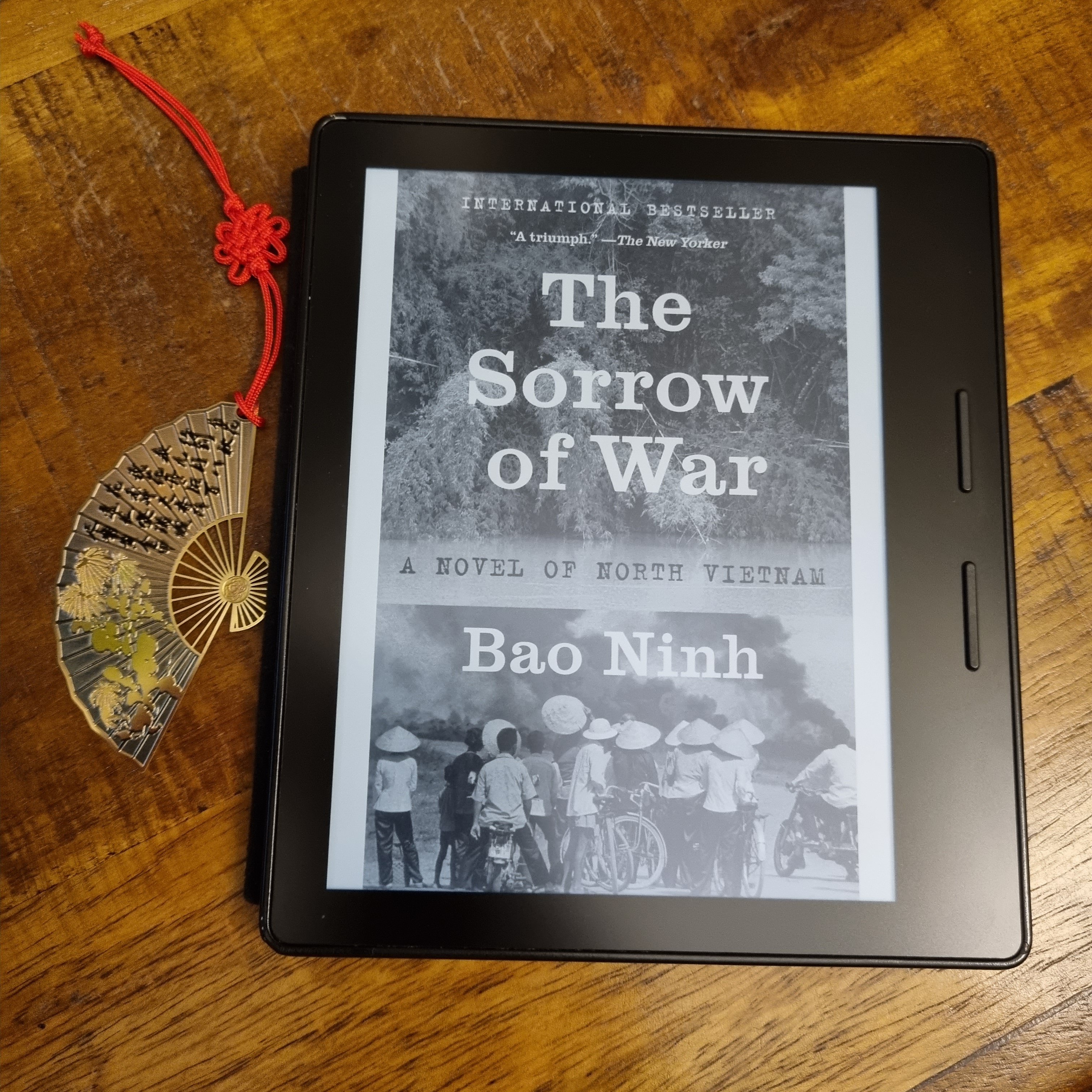
“If a cluster of napalm bombs were dropped, the jungle would turn into a sea of fire. Can you imagine a sea of fire?”

Bao Ninh joined the Vietnamese army at the age of 17.  He served in the Glorious 27th Youth Brigade.  In 1969 he joined the Vietnamese war against the Americans, and of the five hundred soldiers who went to war, Bao Ninh was one of the ten who survived.  ‘The Sorrow of War‘ is based on his experience of the war and was initially banned in Vietnam.  It contextualised history that was until now only facts and figures for me.  More than that, this book is about what happens when people are denied basic rights, and the cost of freedom.  The book is hard hitting, honest, brutal, depressing and frightening.  And I can’t recommend it enough.

3. Hanoi, adieu by Mandaley Perkins

It’s easy to find books about the Vietnam War (or the American War as it’s called in Vietnam), but it’s hard to come across books about the French colonial part of Vietnamese history.  This book bridges that gap.  It follows the coming of age of Michel L’Herpiniere (the writer’s grandfather) in French Indo-China.  Michel grows up in the rich and privileged French community of Vietnam and lived through the downfall of the French Empire.  He enlists in the army as a young man and fights in the various skirmishes and uprisings that occur during the last few year of the French rule in Vietnam.  The story is alive with descriptions of
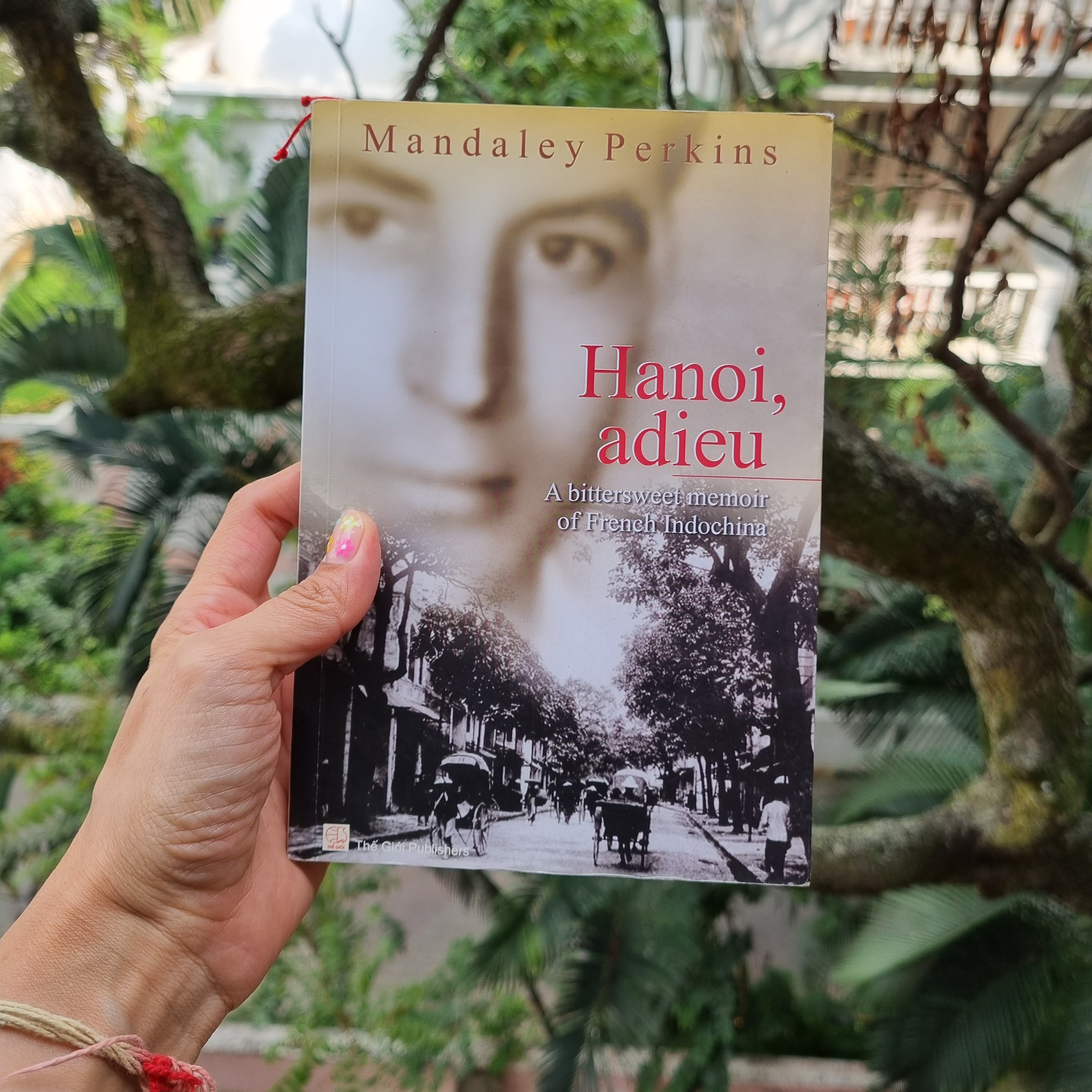


Hanoi in the 40s, such as the markets and bazaars, daily life for the French and the Vietnamese, Michel’s deep friendship with the Vietnamese and French alike, along with his deep understanding of both cultures.  There are several themes that I found fascinating, the main one being that of identity and how the places we grow up in and call home form our identity, sometimes even more than our nationalities do.  The book covers the period between September 1940 to May 1954, which is when the French finally withdrew from Vietnam.  Because we hardly study Vietnamese history in school, what really helped me put the history in context was thinking in terms of what was happening in India during this time.

If you’re traveling to Hanoi you should definitely read this book for it’s vivid descriptions of the Old Quarter – which is where we stayed while in Hanoi.  When I look through photos my photos of Hanoi now, I don’t think only of what I saw and experienced, but also the rich, varied and decidedly bloody history of this quaint country.

I often go to local bookshops when I’m traveling to a new place to hunt for books by local authors.  Vietnam has a vibrant culture of literature (Hanoi even has a Temple of Literature!) and a Book Street (a serendipitous find).  While looking for a stall selling books in English we ran into a young book lover who told us he’s attended a lecture by Bao Ninh and then told us to head over to the Bookworm where we would have better luck finding books in English.  Sure enough, I found ‘Hanoi, adieu’ in their well-stocked racks.
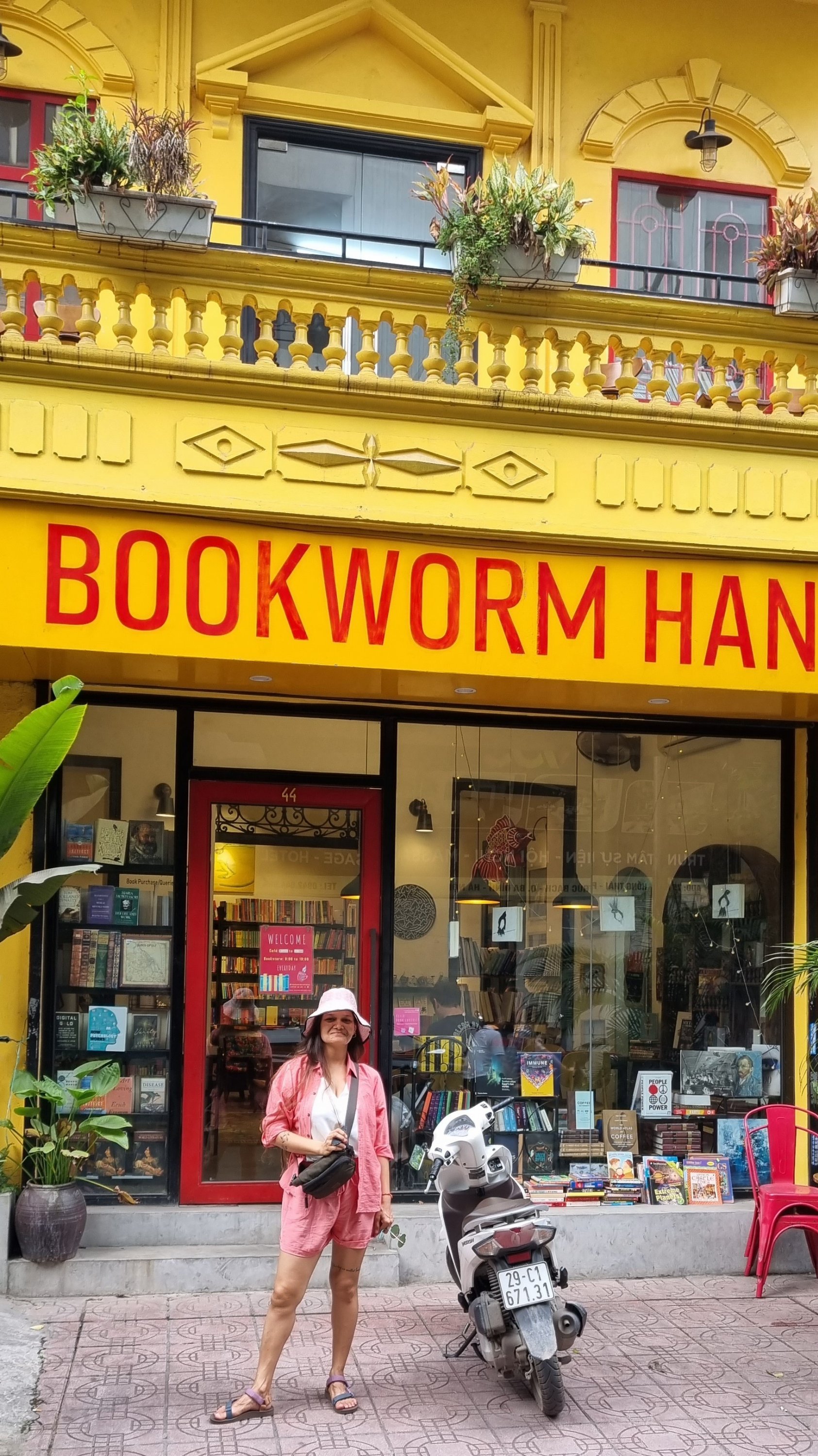
Always happy exploring bookstores.
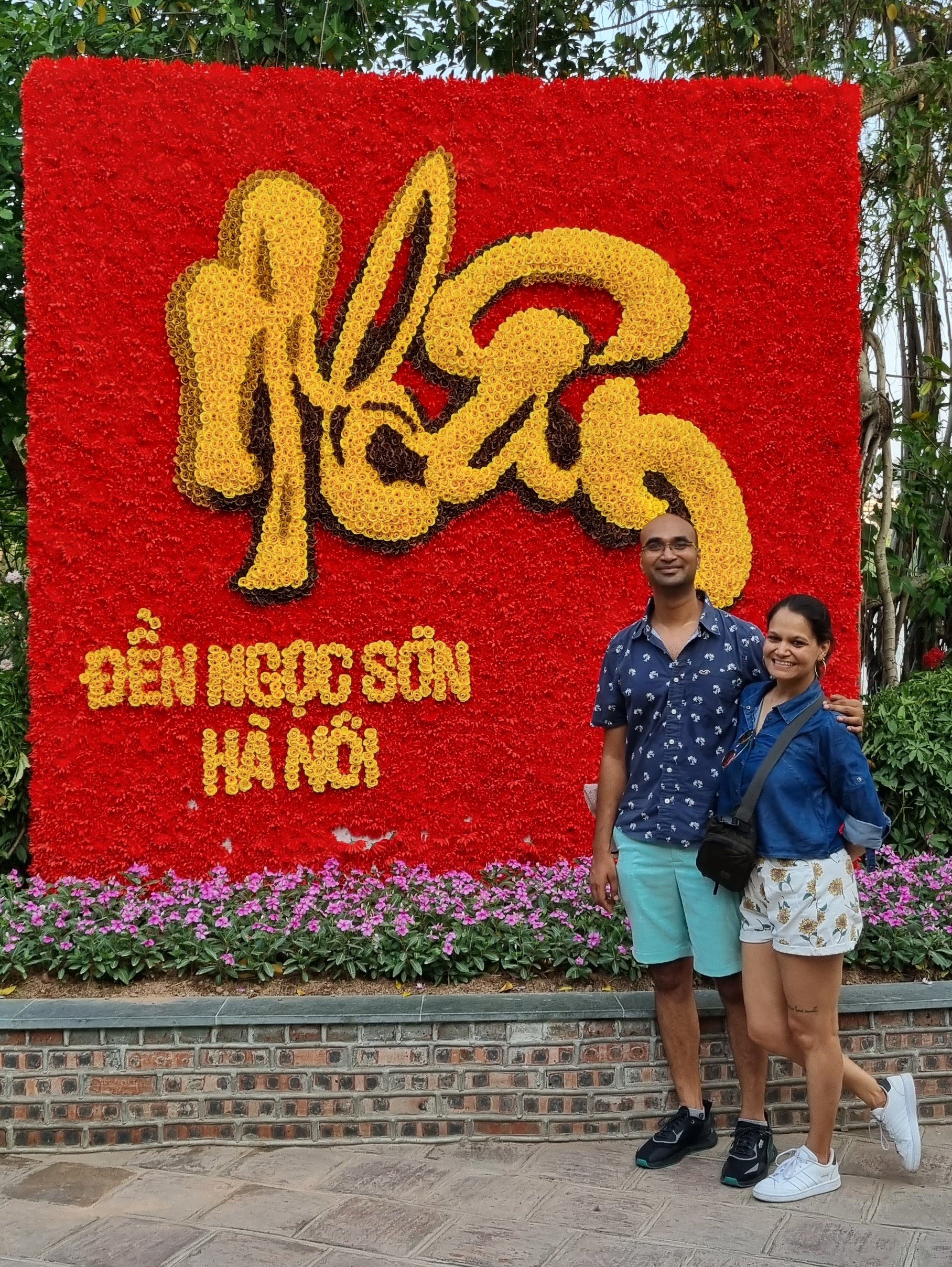
 

Temple of Literature Hanoi

At the temple of Literature in Hanoi, also known as the Confucius Temple.

4. In Country by Bobbie Ann Mason
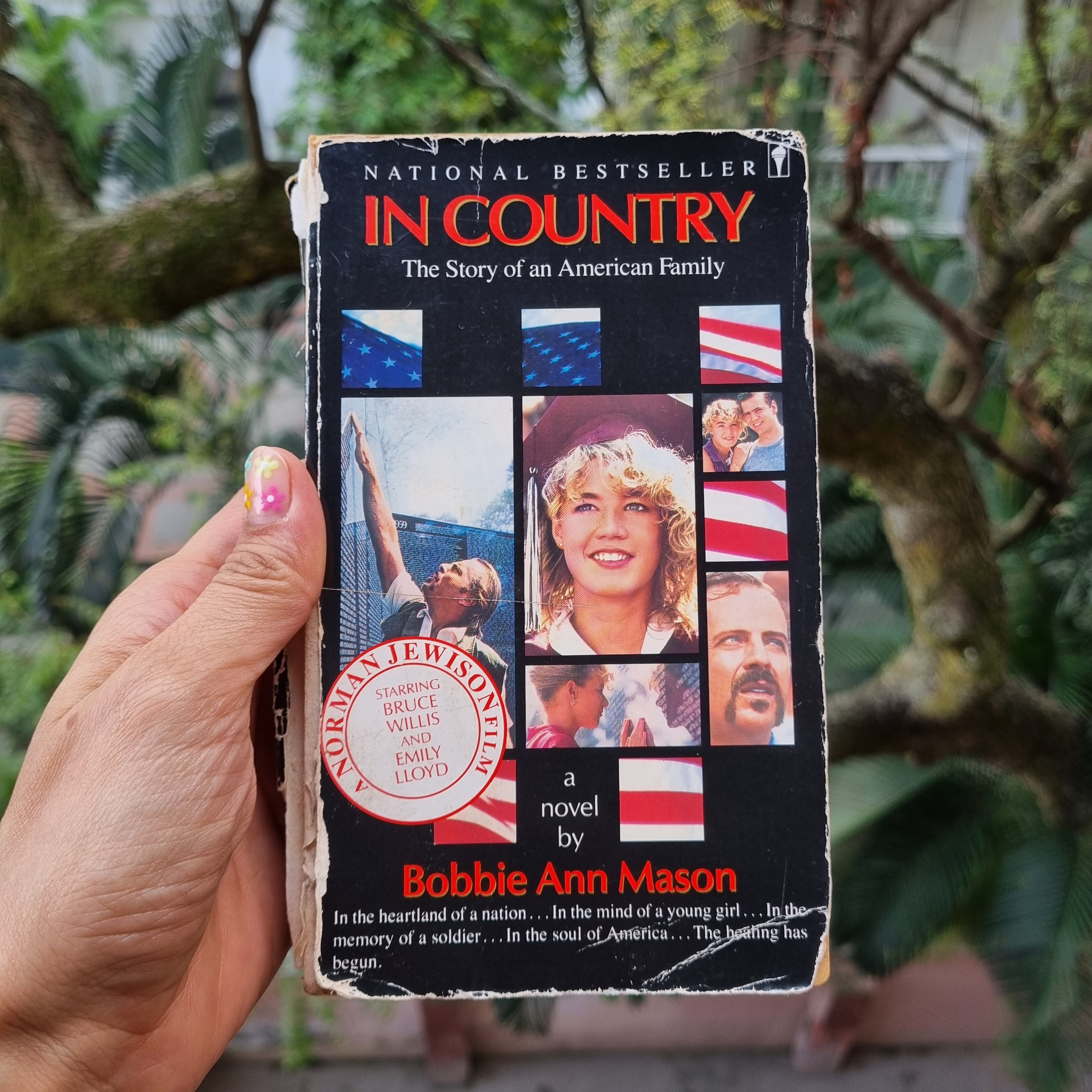
‘In Country’ looks at what happened to American soldiers after their return from Vietnam.  It’s an honest look from the point of a view of a young girl called Samantha Hughes, whose father dies in the Vietnam War.  She’s trying to piece together what happened to him in Vietnam – and she’s just not satisfied with what she hears from others.  Her uncle Emmett has also been in the war and its changed him and all his friends.  The depiction of veterans and their struggle is raw and visceral.  In Ho Chi Minh City we spent some time at the War Remnants Museum and saw the destruction from the Vietnamese point of view.  Through ‘In Country’ we see that no one is spared the horrors of war.

This is another book I bought at the Book Worm bookstore in Hanoi.  I’m looking forward to watching the movie – unfortunately I haven’t found it on any of the streaming platforms in India.


5. She is a Haunting by Trang Thanh Tran

Horror is my favorite genre and this book didn’t disappoint.  This is Tran’s debut novel, and I think the reason it’s so well written is because the author herself enjoys the horror genre.  The main character is a Vietnamese American girl and Tran undoubtedly uses her personal experiences to bring the character to life.

I will say though that it helps to be familiar with the landscape of Vietnam and a little of its history to really connect to the book.  A little familiarity with the Vietnamese culture would also help.  That said, I really liked the writing.  This is one living, breathing, pulsating book.  It has all the elements of the classic gothic novel and the rich, florid descriptions of man vs nature gives it a Guillermo Del Toro-ish feel.  I also appreciated that this book referred to the French colonial history of Vietnam, which is relatively lesser known but also very interesting.


6. The House on Dream Street by Dana Sachs
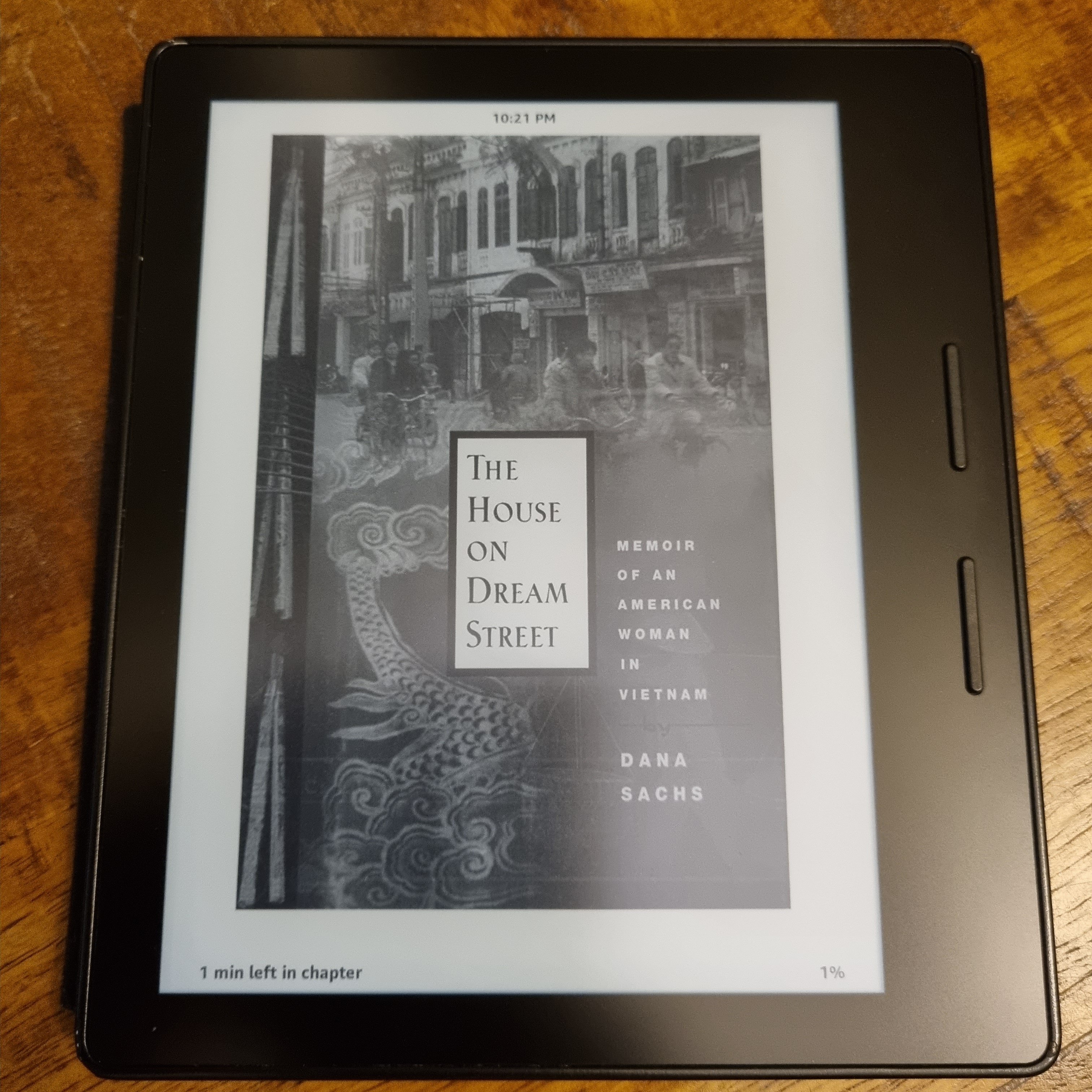
This book is set in 1992 and is a sort of travelogue.  Dana Sachs lived in Vietnam on Dream Street in 1992 for six months.  This book chronicles her time trying to learn the language, make friends, eke out a living, fall recklessly in love and realise just how crazy that was and quickly fall out of love.  Although the book is well written and interesting, I found it  superficial at times.  I felt that for someone claiming to be in love and deeply interested in a country and its culture – the author seemed to at times look down on the culture and even come across as ignorant.  I think direct comparisons between her life in the US and life in Vietnam, or comparisons between the American thought process and the Vietnamese thought process happened a bit too much – maybe she was trying to contextualise her experience for American readers, but explaining the same thing without using comparison would have made her sound more well informed.  Also – the part where she visualises herself marrying the motorcycle mechanic she is in love with and actually living in his makeshift hut with the rest of his family was exasperating.  I think readers from South East Asian countries would understand why I was rolling my eyes during that bit.


7. Prison Diary by Ho Chi Minh
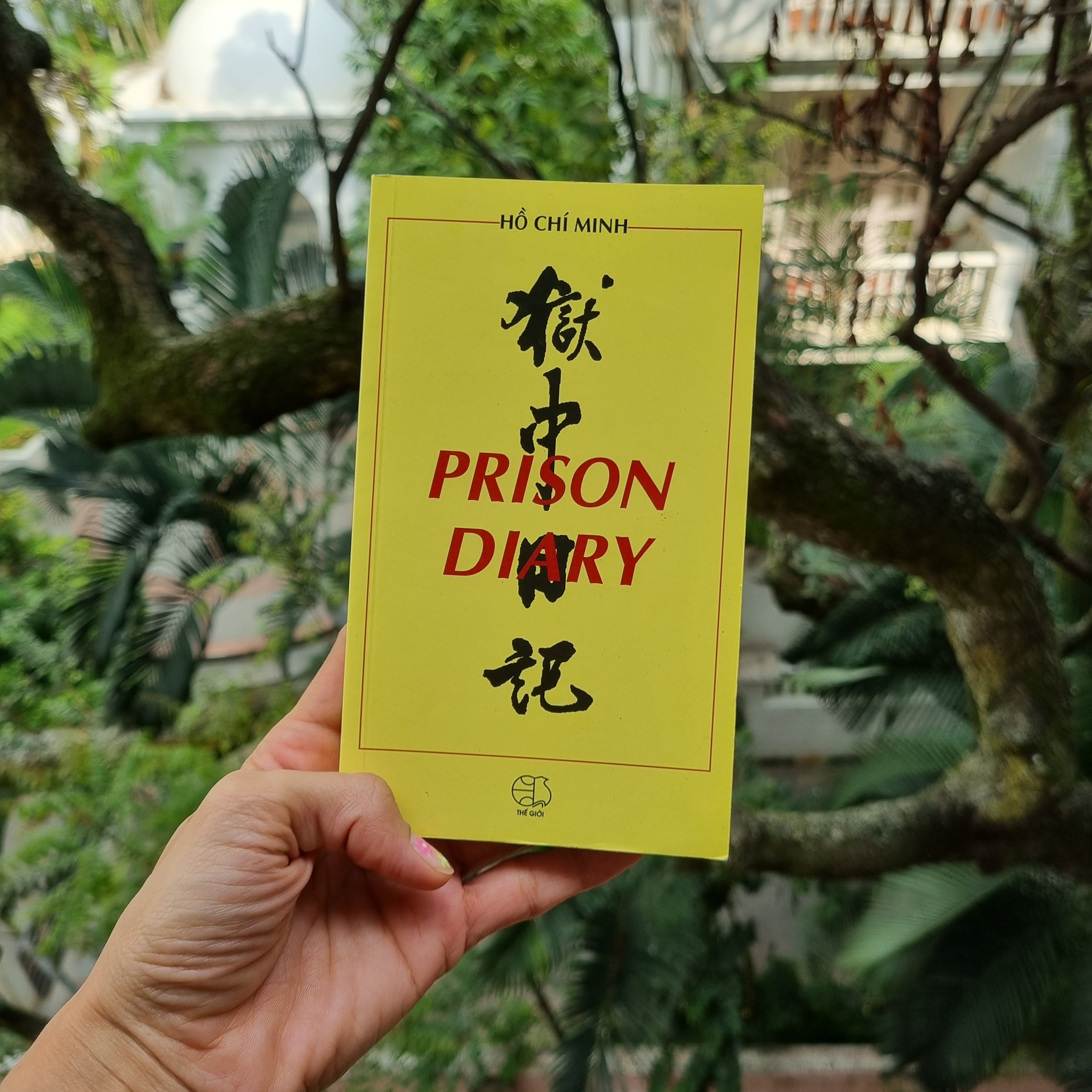
I bought this book at the gift shop in the Hỏa Lò Prison (the Hanoi Hilton).  It’s  published by The GIOI Publishers (of Hanoi) and is a collection of poetry by Ho Chi Minh.  The poetry was originally written in Chinese and has been translated into Vietnamese and English (all the translations are in the book).  It’s said that history is written by the victors.  But with access to information like never before, we have the luxury of exploring different sides of an issue.  Was Ho Chi Minh a despot who would use any and all means at his disposal to get what he wanted?  Or was he a patriot who sacrificed everything he had for a free and independent Vietnam?  This book gives an intimate insight into a man considered one of the greatest leaders of the 20th century.  This collection contains poetry on his observation about the human condition, his beliefs about freedom and nationhood and also his experiences as a prisoner in various Chinese jails.

Thinking of a Friend

That day you went with me to the edge of the river.

“When will you be back?” – “When you see the rice ripen.”

But now that the fields have been ploughed for the next season,

In a foreign land I still remain a prisoner.
Hoa Lo - The Hanoi Hilton

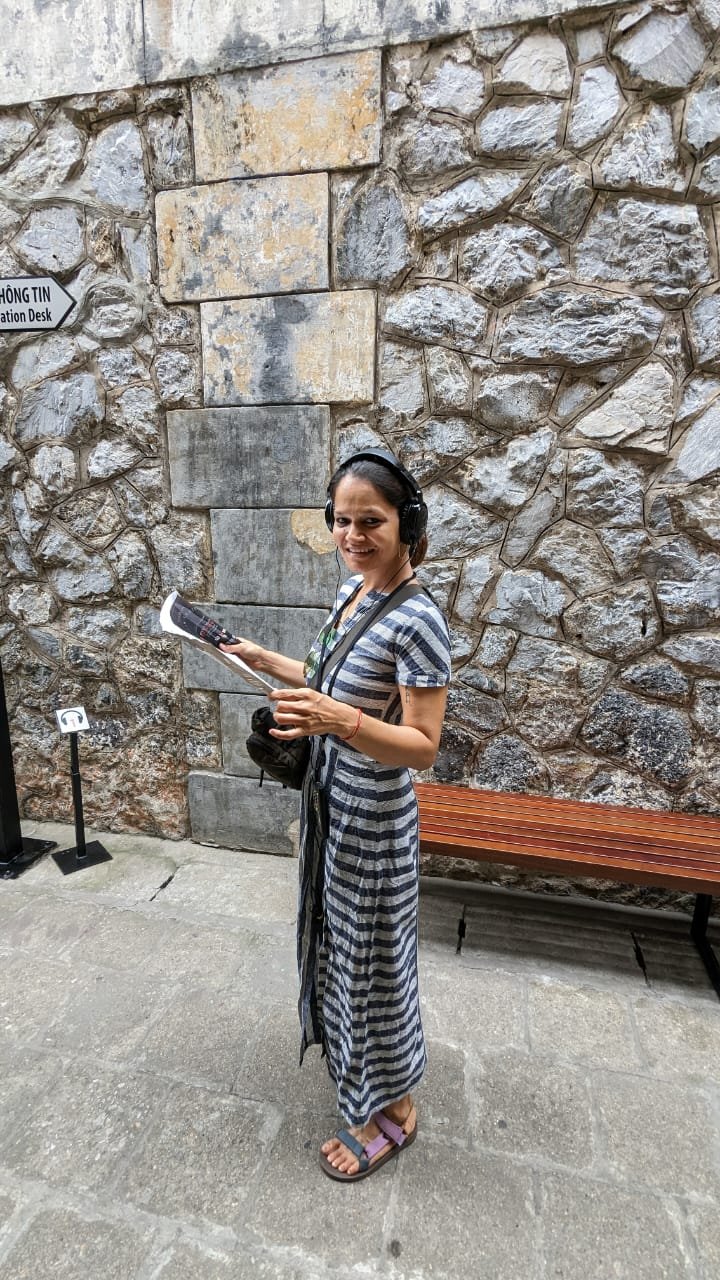
Animesh claims I spent 5 hours here with the audio guide. I’d have to disagree (at least it didn’t feel that long).


It’s great to research travel blogs and forums whenever you’re about to travel to a new country.  But I find reading books about the place gives you a deeper understanding and contextualises the country a lot more for travellers.
Travels

Goa, Off the Beaten Track

September 23, 2023
Koti Tirth Tali

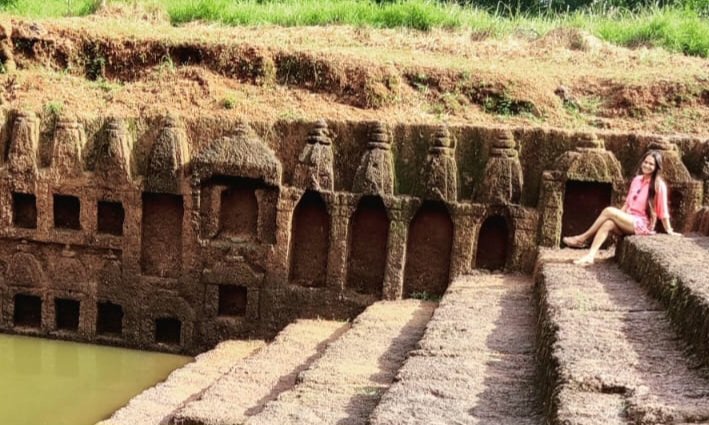
Koti Tirth Tali. There are supposed to be 108 niches carved in the walls.

I’ve been to Goa so many times I feel I should be awarded a honorary PhD on it. Goa exists in our collective psyche as the ultimate vacation destination – a coming of age for young people, an exciting place to have your bachelorette or long awaited girls’ trip and an opportunity to gaze at the vast blue sea for those of us landlocked.

Things changed a bit during the pandemic when everyone decided to work from Goa. In fact, we contemplated it too and found ourselves in Goa scouting for viable villas to move into. That’s a story for another blog. Suffice it to say that because tourism to Goa is an unprecedented high, travellers now look for activities off the beaten track. My last trip to Goa was certainly that.

We formed an assorted mix of four – my mother in law, her sister, a dear friend of her’s, and me. We were game for an adventure.

Divar & Chorão Island

The first day we decided to go to Divar Island. The Mandovi River around Goa is home to many islands, all of which have and mangrove forests, churches, temples and grand old Portuguese villas. The night before I’d looked up how to get to the island and found that we had to take the ferry to Ribandar port. Unfortunately Google directed us to a port slightly before Ribandar, and not knowing any better, we took the wrong ferry and ended up in Chorão Island. We decided to make the most of it and drove around the island for a while. The island is lush, green and largely uninhabited. However, there are several churches and chapels dotting the greenery. The most significant one I spotted was the chapel for St. Teresa of Kolkata (Mother Teresa). A surprise find was The Yoga Institute, a swanky residential yoga centre. (Something to keep in mind for my next yoga retreat.)

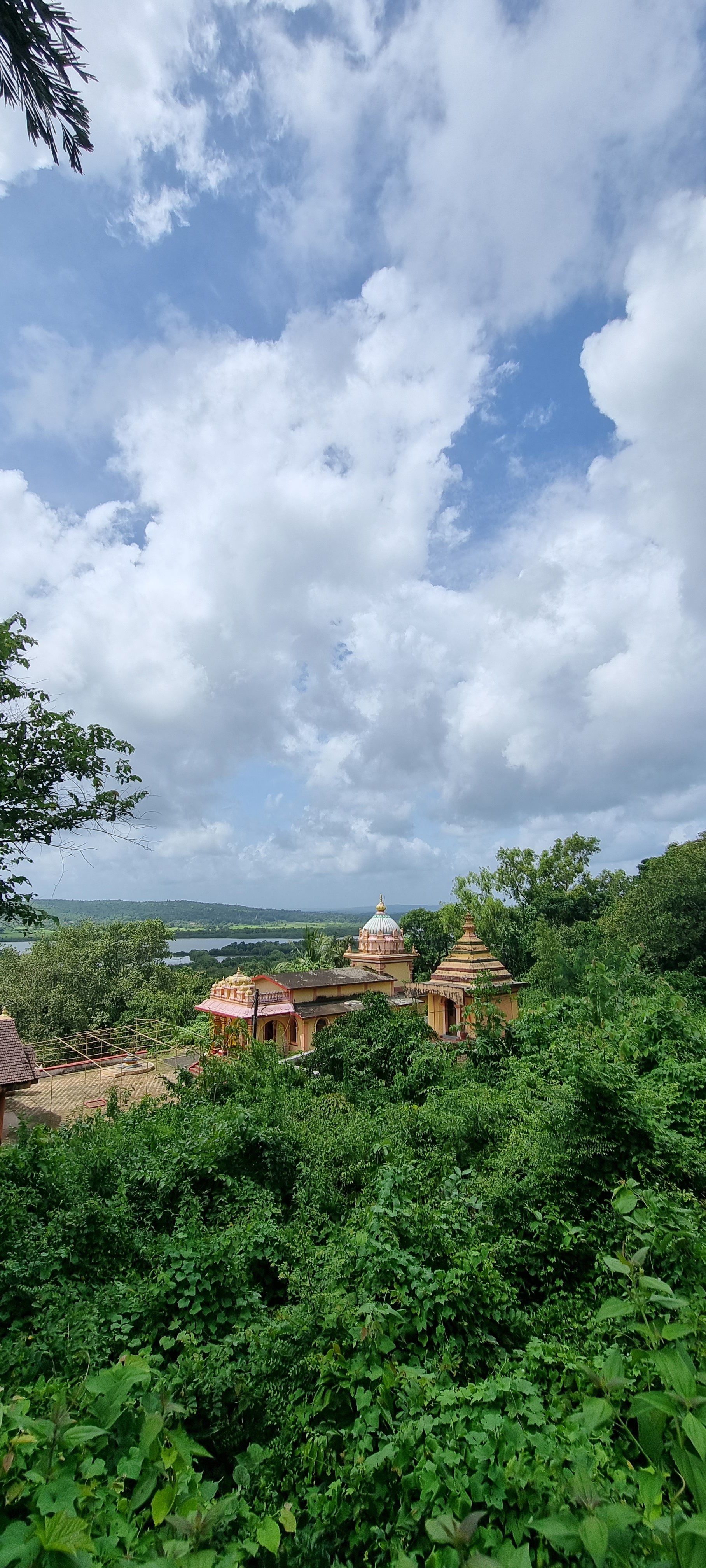
Divar island proved to be a bit more eventful. We spent some time at Our Lady of Piety Church (Nossa Senhora de Piedade). The church and it’s adjacent graveyard lie atop a hill. The church was under renovation, so we spent some time walking around and taking in the panoramic view of the island from that vantage point. You can see the Mandovi river and the mangrove forests around it. You can also see a Hindu temple, with its distinct Goan architecture, close to the church.

Hindu temple from the hillock of Our Lady of Piety Church. you can see the Mandovi in the distance. Note the unique temple design.

Hindu temple from the hillock of Our Lady of Piety Church. you can see the Mandovi in the distance. Note the unique temple design.

After a sumptuous lunch at the Rock Inn Restaurant, we decided to head to the Koti Tirth Tali – an ancient site that used to be a significant pilgrimage point once upon a time. It is said that this used to be the Saptakoteshwara Temple, the kul devta of the Kadamba kings. It is now protected by the ASI. It was a peaceful place and we found the ancient architecture very beautiful. Just a little further down the road from the Koti Tirth Tali is a beautiful Shiva temple. When we visited it was calm and clean, and right on the banks of the Mandovi. We spent some time gazing at the beautiful lake surrounded by mangroves, and even spotted a snake swimming in the water!

All the islands in Goa are connected by ferries and I think it would be interesting to spend a day island hopping on a future trip.

CIPA – Center for Indo Portuguese Arts

We stumbled upon CIPA during a three-week stay in Goa during the second lockdown. The place had just opened up and we spent some time browsing through the 200-year old heritage building, looking at the books, the hand painted tiles and other art. We also spoke to Orlando, the owner who told us about the Portuguese connection and his work to keep the Portuguese heritage alive in Goa. Incidentally, he has learned the traditional art of tile painting in Portugal and can customise tiles on order.

Panjim.

On the way to CIPA.

We met Orlando again and just as we were about to leave he told us about the Serenate concert they were having in the evening. We ended up returning to CIPA that evening for an eventful night of music and homemade Portuguese snacks. Serenading was very common in Fontainhas, where a boy would attempt to woo a girl by singing outside her balcony in the night. If she appreciated the gesture him and his entourage might be invited inside for some snacks. The night was full of revelry as the musicians asked the audience to join in the music and even asked for requests from the crowd. This was the cultural aspect of Goa, and I feel this should be on everyone’s itinerary.

Mario de'Miranda

An illustration of serenading in Fontainhas by celebrated Goan artist Mario de’Miranda.

Below are a few images from our wonderful vacation.

Ferry to Chorao.

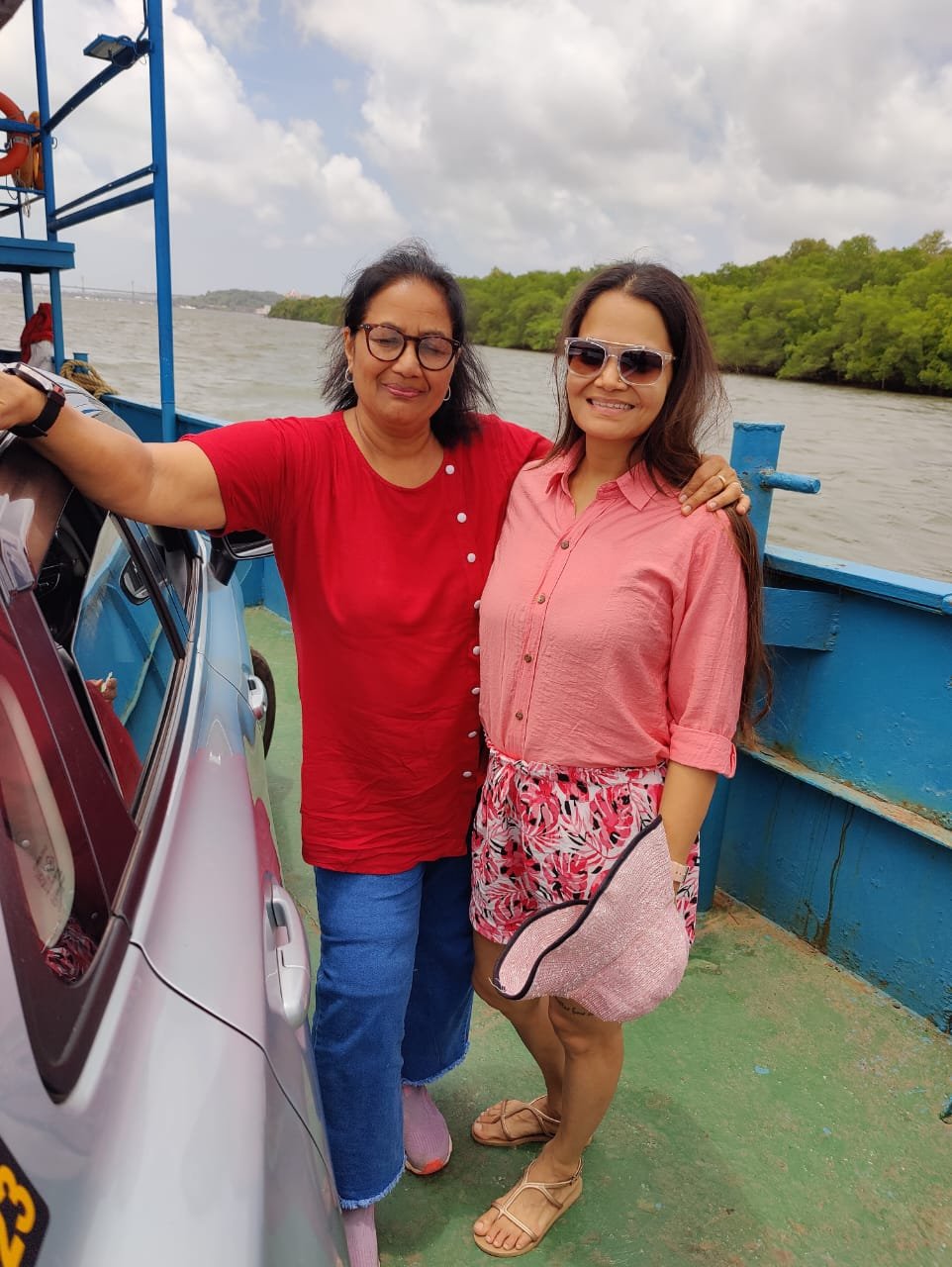
On the ferry to Chorao island – turned out to be the wrong ferry!

Ice cream therapy.

After a hot day of walking around – ice cream was indeed therapy.

Koti Tirth Tali

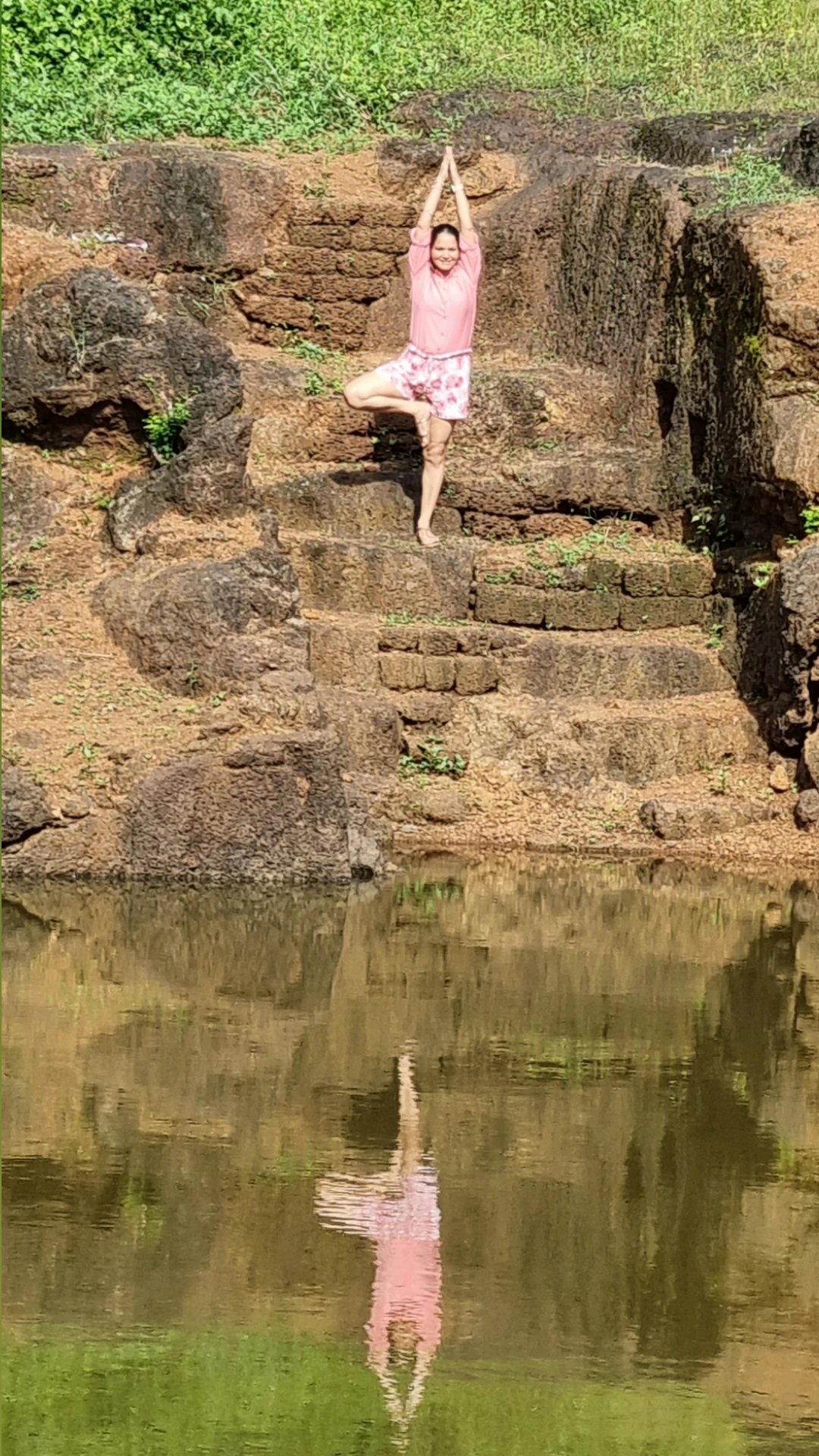
The ancient site of Koti Tirth Tali was too beautiful not to take a few yoga shots.


I realise I’ve written another ‘Off the Beaten Track’ blog before.  It’s about Coonoor and you can find it here.

Travels

Contextualising Yoga Day

June 22, 2023

The International Day of Yoga is now a part of our collective psyche.  As I prepped for my session for Suta this past weekend, I thought about how this came to be – how this practice which is our parampara came to be celebrated all over the world.  

Yoga has become omnipotent and so laying claim to it seems almost presumptuous.  But we aren’t laying claim to this ancient practice based on hearsay, or because a few yoga texts are in Sanskrit.  We lay claim to it because we have evidence of yoga existing in this region (present day India, Pakistan, Afghanistan) as far back as 2350-2000 BCE.  The Pashupati Seal was found in present day Mohenjo Daro.  Today it sits in the National Museum in Delhi.

Around 1500 BC we find a reference to yoga in the form of the Sanskrit root yuj in the Rig Veda.  The shloka which uses the word describes Indra yoking his horses and drawing them together.  The horses represent the rays of the sun, and when the rays of the sun are drawn back to the source, a dawn happens.  This dawn symbolises the dawn of enlightenment and knowledge.  The Bhagavad Gita is an important yogic text from this time, which gives definitions or descriptions of yoga, such as yogah karmasu kaushalam.  This period is considered the pre-classical period of yoga history.

And after this there is a lull of about 500 years and then some time between 500-400 BC Patanjali’s Yoga Sutras are published – arguably the most recognised yoga text today.  This text talks about the eight-limbed or ashtanga path of yoga and for practitioners today, drives home the point that yoga is not just asana.  This period is also called the classical period of yoga history.

After this we have what is known as the Modern Age of yoga.  T. Krishnamacharya is considered to be the Father of Modern Yoga, a befitting title as he is the teacher to stalwarts like BKS Iyengar, TKV Desikachar, Indra Devi, Pattabi Jois and AG Mohan.  Other notable teachers of this time are:

    • Swami Kuvalyananda – established Kaivalyadham in 1924.  
    • Swami Sivananda – established the Divine Life Society in 1936 and Sivananda Ashrams.
    • Shri Aurobindo – established Auroville near Pondicherry in 1926.
    • TKV Desikachar – established the Krishnamacharya Yoga Mandiram in Chennai.
    • Maharishi Mahesh Yogi – founder of Transcendental Meditation
    • BKS Iyengar – founder of the Iyengar style of yoga.


The Story of the International Day of Yoga

So when Modi ji addressed the UN in Dec 2014, he came with this context.  And much in the ethos of yoga in his speech he spoke about three things:

  • He emphasised collective action.  Said developed countries must help the developing countries financially as well as technologically.  This reflects the Gita’s teaching of  yoga karmasu kaushalam which can be loosely translated as yoga is skill in action.
  • Next he spoke about India’s responsibility – that India will also participate in sharing our technologies and capabilities with the SAARC countries.  He cited examples of where India is already doing this.
  • Finally he spoke about the importance of mindful development.  He said that reckless consumption is not mandatory for development.  This is where he brought yoga in and said that if we change our lifestyle and cultivate mindfulness and consciousness, we can deal with the crisis of climate change.

A year later, on June 21, 2015, we celebrated the first International Day of Yoga. 

Yoga – An Intangible Cultural Heritage

In 2016 the Indian govt petitioned UNESCO to include yoga in the list of Intangible Cultural Heritage of Humanity.  Intangible cultural heritage are practices, expression, knowledge or skill – folklore, customs, beliefs, traditions and even languages.  This brought even more awareness to the place yoga holds in India’s culture and traditions.

The Relevance and Importance of Yoga for Us

During my MSc. a professor once spoke to us about the challenges humanity faces for survival.  Historically our biggest threats have been natural calamities such as floods, draught, famine, pandemics (cholera, Bubonic Plague, Black Death etc.) 

However, today humans are human beings’ biggest threat.  We lack of empathy & sympathy.  We criticise too much, accept too little.  There is too much conflict, too little tolerance.  Our collective mental health is at an all time low.

A resilient person is a person who has a strong mind and a strong body.  Through the practice of yoga we can become more resilient.  Yoga is a holistic solution to the issues and at the risk of sounding fanatical, I’d even say that yoga is important for us to survive as a species.


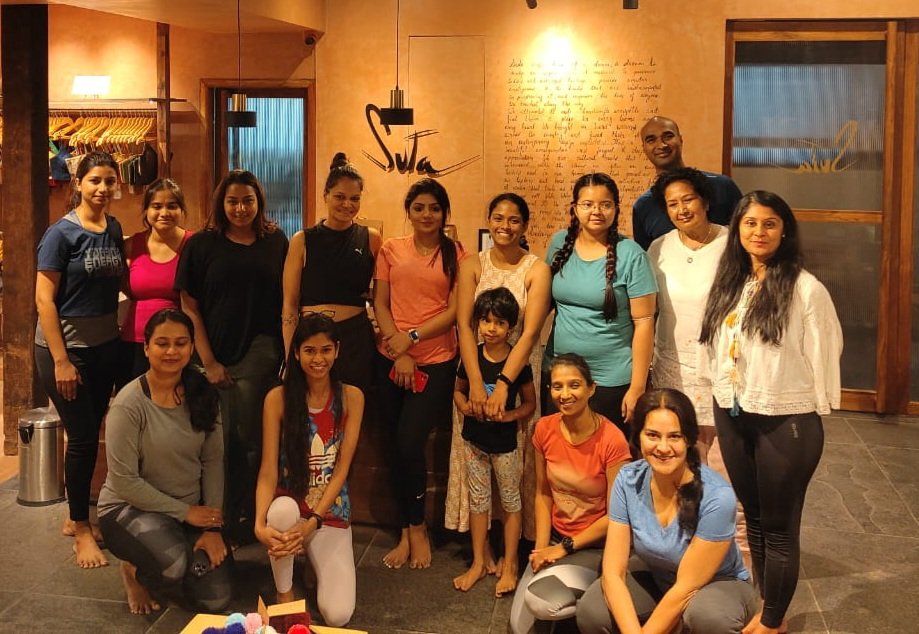
The amazing group who came from all corners of Bangalore to celebrate Yoga Day with us.

The amazing group who came from all corners of Bangalore to celebrate Yoga Day with us.


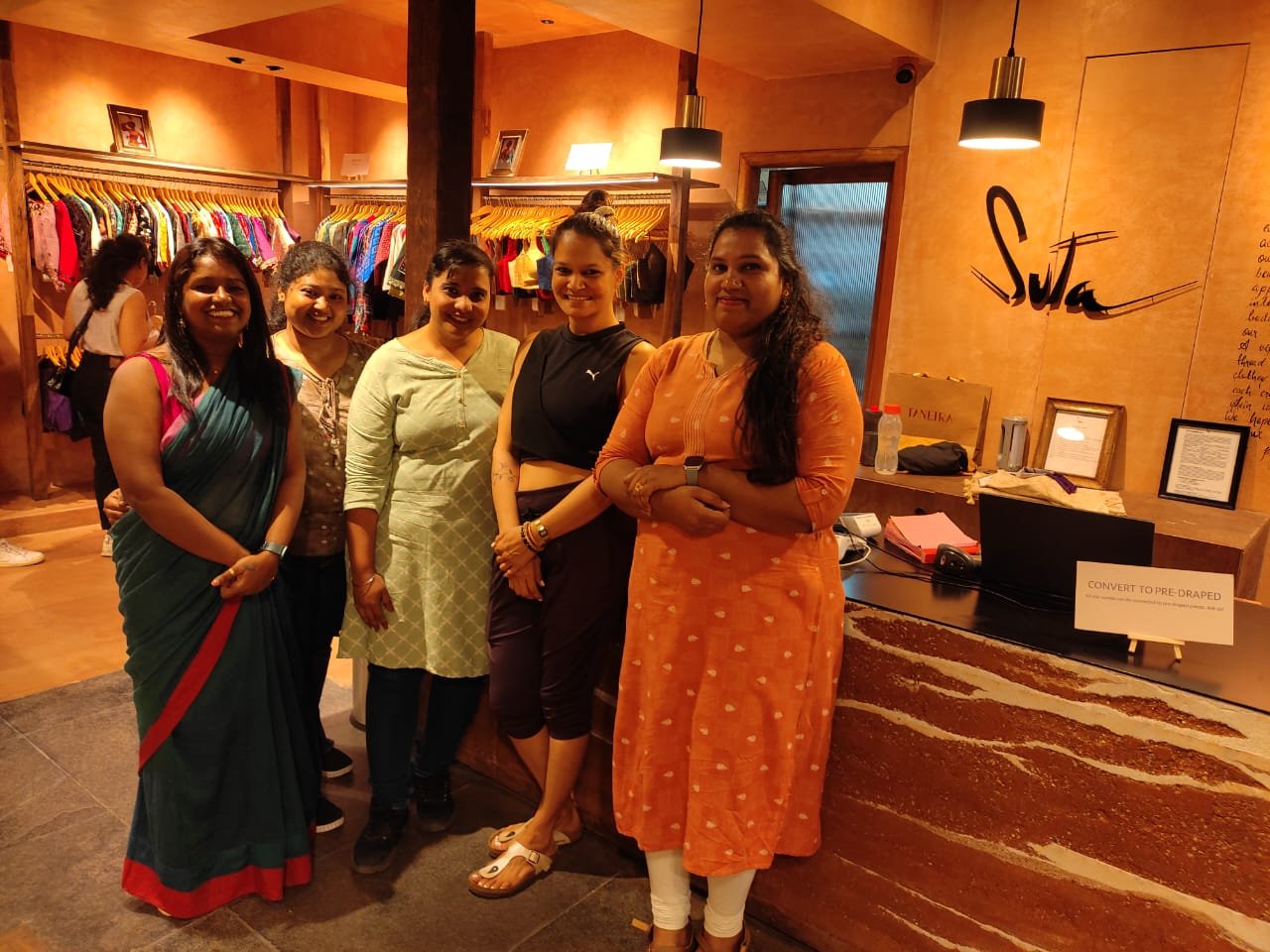
The Suta crew - who made the event seamless and fun.

The Suta crew – who made the event seamless and fun.