Pragya Bhatt | yogawithpragya

Browsing Category

Yoga

Yoga

Hello Wonderful World!

June 13, 2017

welcome

“And suddenly you know…It’s time to start something new and trust the magic of new beginnings.”

Life is continuously changing, evolving and growing.  And if you’re a yoga practitioner who is also an entrepreneur then change truly is the only constant.  To be honest, I’m not very comfortable with the term ‘entrepreneur’ because I see myself only as a practitioner and a teacher.  I don’t consider myself a part of the energetic and pulsating Bangalore start-up/entrepreneur scene.  Teaching yoga came organically to me, as it has to many who decided to make it their life’s work…but who also have to pay the rent.  The philosophy and practice of yoga is ancient, mystical and vast.  I would need lifetimes of study before I can bring in innovation which can be turned into a business opportunity.  However, I do realize that I have been able to make a significant contribution to the lives of many individuals who have trusted me and have had faith in me to guide them through their own journeys towards holistic health.

In our closely connected world,  it was inevitable that word about my work would get out and many people separated geographically from me would evince an interest in working with me to give direction to their practice.  With that came the conceptualization and later the implementation of The Yoga Practice.  The process unfolded at its own pace.  Today this online module is a combination of what my students need and the best way for me to provide it to them.

Seeing my work and perhaps identifying with it, an old friend decided to come on board and help me structure and organize my work.  Once I recognized the need and accepted the help, the floodgates opened.  Mentors appeared with helpful guidance, supporters came in droves, constructive advice started pouring in…and the result is greater clarity and sharper focus.

For many years I have been designing and leading workshops and retreats, conducting group and private classes, helping people far away through online sessions, making videos etc…and now we are organizing all of these under one roof so that the message has more impact.  Most importantly, our work is accessible to everyone everywhere who wants to improve their quality of life.

This website is all of my work under one roof.  Here you can read my blogs, access my YouTube videos, take a look at my upcoming classes & events, see what others are saying about my work and even send me a few lines!  As we get busy planning our activities for the rest of the year, we hope you will subscribe to our blog and share it with your friends too.

I sincerely hope our work adds meaning to your life.

Yoga

Improve Your Digestion

February 12, 2017

img-20170201-wa0002.jpgA few days ago I mentioned in one of my updates that you may eat the best food that you can possibly find, but if your body doesn’t assimilate all the nutrients then eating healthy food is an exercise in futility.  To the right are 6 poses which are beneficial in stimulating and massaging the digestive system and maintaining its good health.  However, remember, as always, that yoga poses can’t be practiced in isolation.  For the practice of yoga to work for you, you must incorporate these asanas in a regular yoga practice.
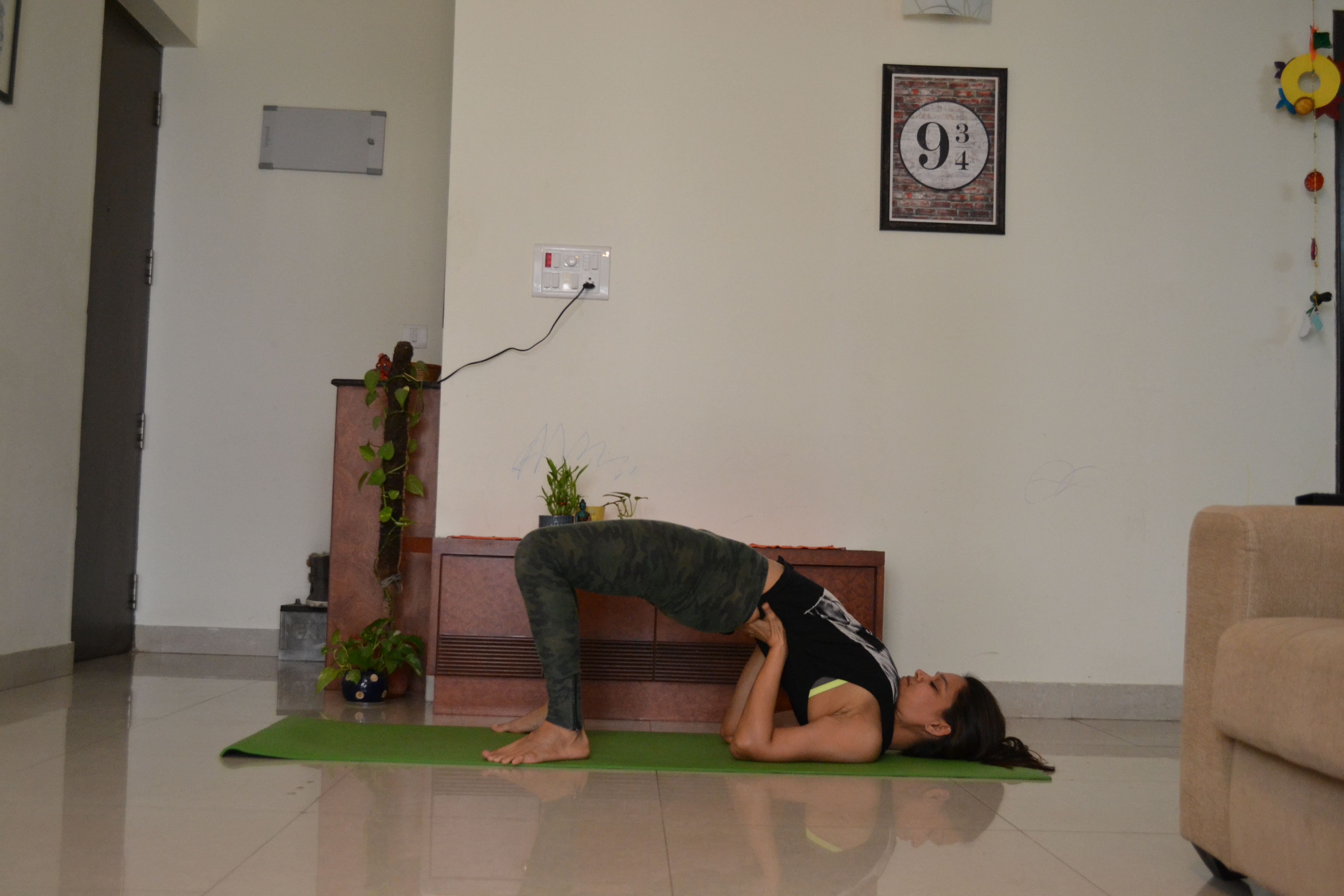
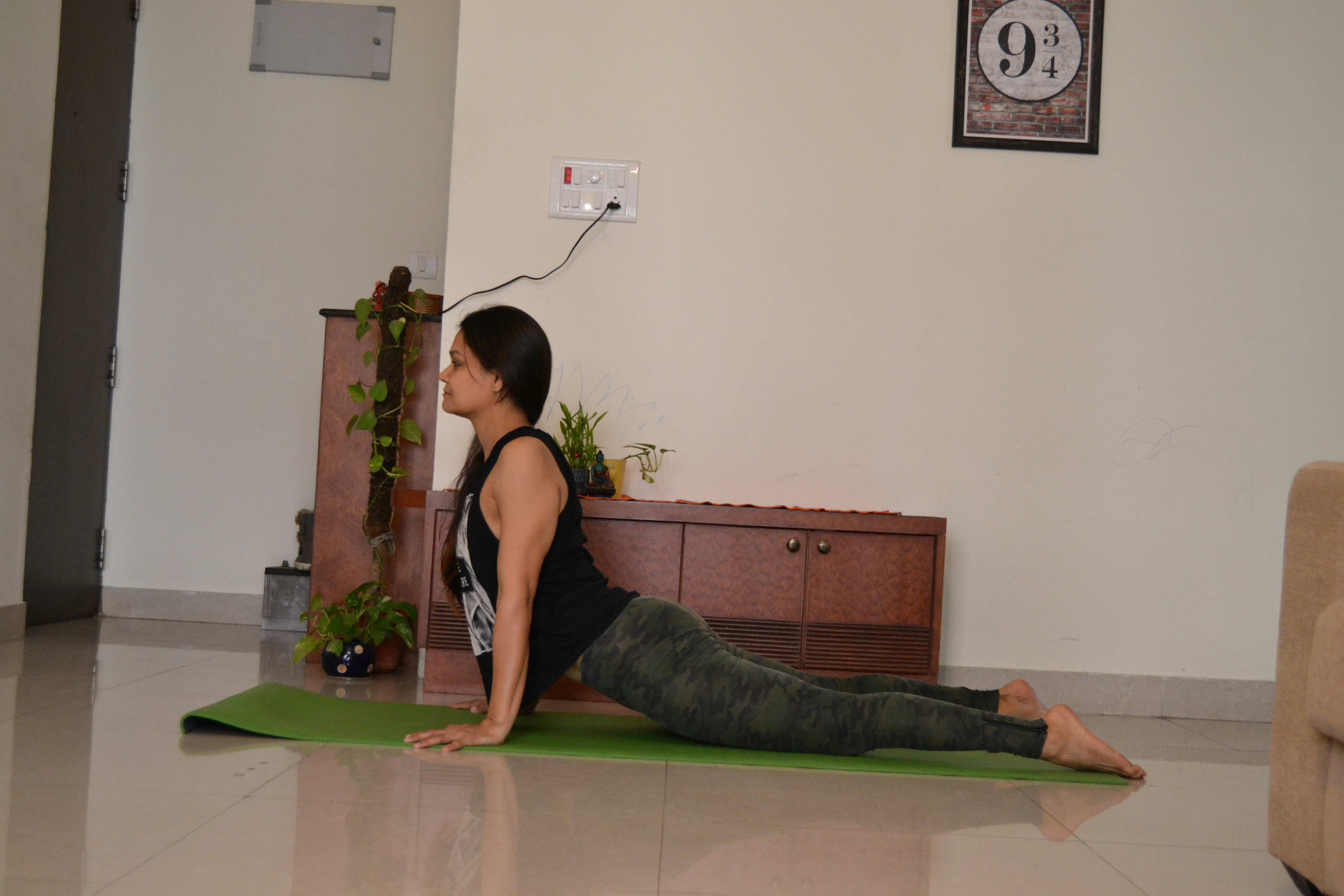
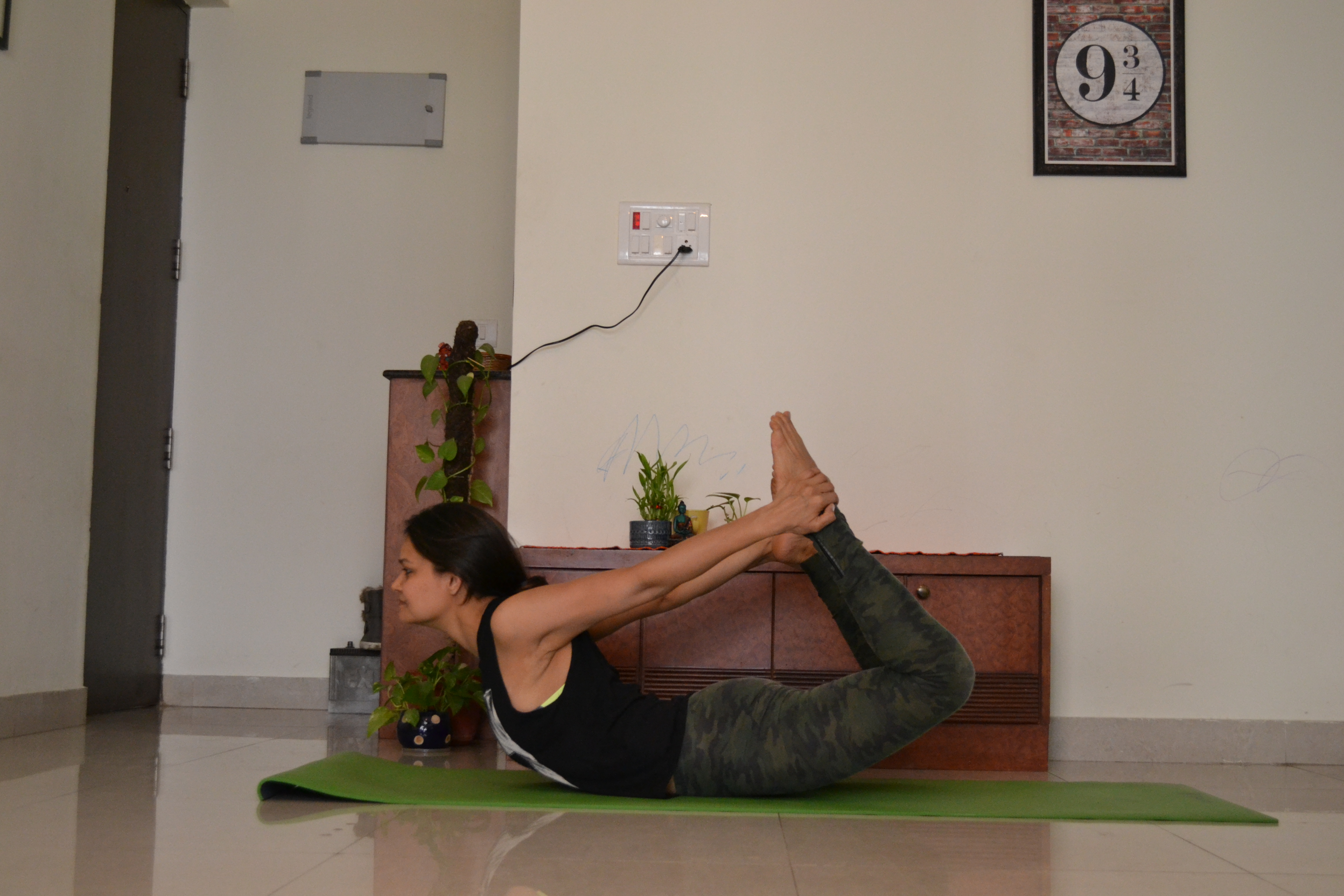
Below are a few important points to remember when performing these asanas.


Setubanasana – The Bridge Pose

  • Elbows must be right under the wrists.
  • Back of the neck should be long on the floor.
  • Fingers should be touching while the thumbs are facing away from the body.
  • Knees should be above your ankles.
  • Thighs should be parallel.
  • Squeeze your glutes and lift from the hips.
  • Don’t rest your weight on your hands.

dsc_0040.jpg


Bhujangasana – Cobra Pose

  • Keep the neck long.
  • Keep the shoulders pushed back.
  • Push the chest forward and up.
  • Lengthen the spine and stretch the abdomen.
  • Tighten the glutes and the groin.
  • Shoulders and wrists should be in one line, arms perpendicular to the floor.
  • Feet not more than hip width apart.

dsc_0033.jpg


Dhanurasana – The Bow Pose

  • Neck should be long.
  • Shoulders should pushed back and chest should be open.
  • Keep your glutes and groin tight.
  • Push the legs away from the torso, which will also pull the arms back.

dsc_0032.jpg


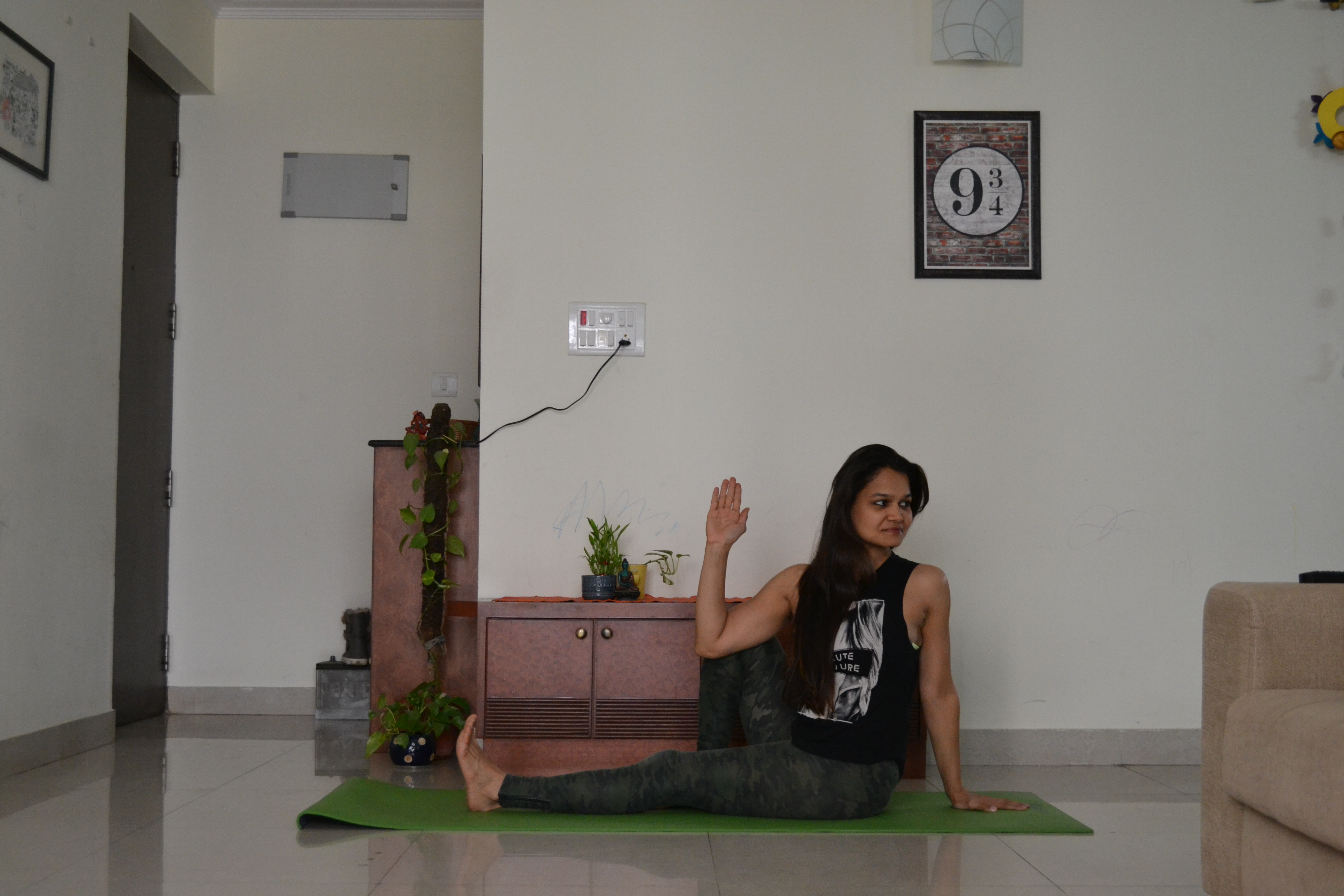
Marichyasana – Lord Marichi’s Pose

  • Keep good engagement between the elbow and the knee.  Do this by pushing the elbow out and the knee in, creating a kind of tension.
  • Keep your backbone long.
  • Keep both buttocks on the floor.
  • Keep the straight leg active with the heel pointing out and the toes pointing straight up.
  • Rotate the neck and keep the chest open.

dsc_0022.jpg


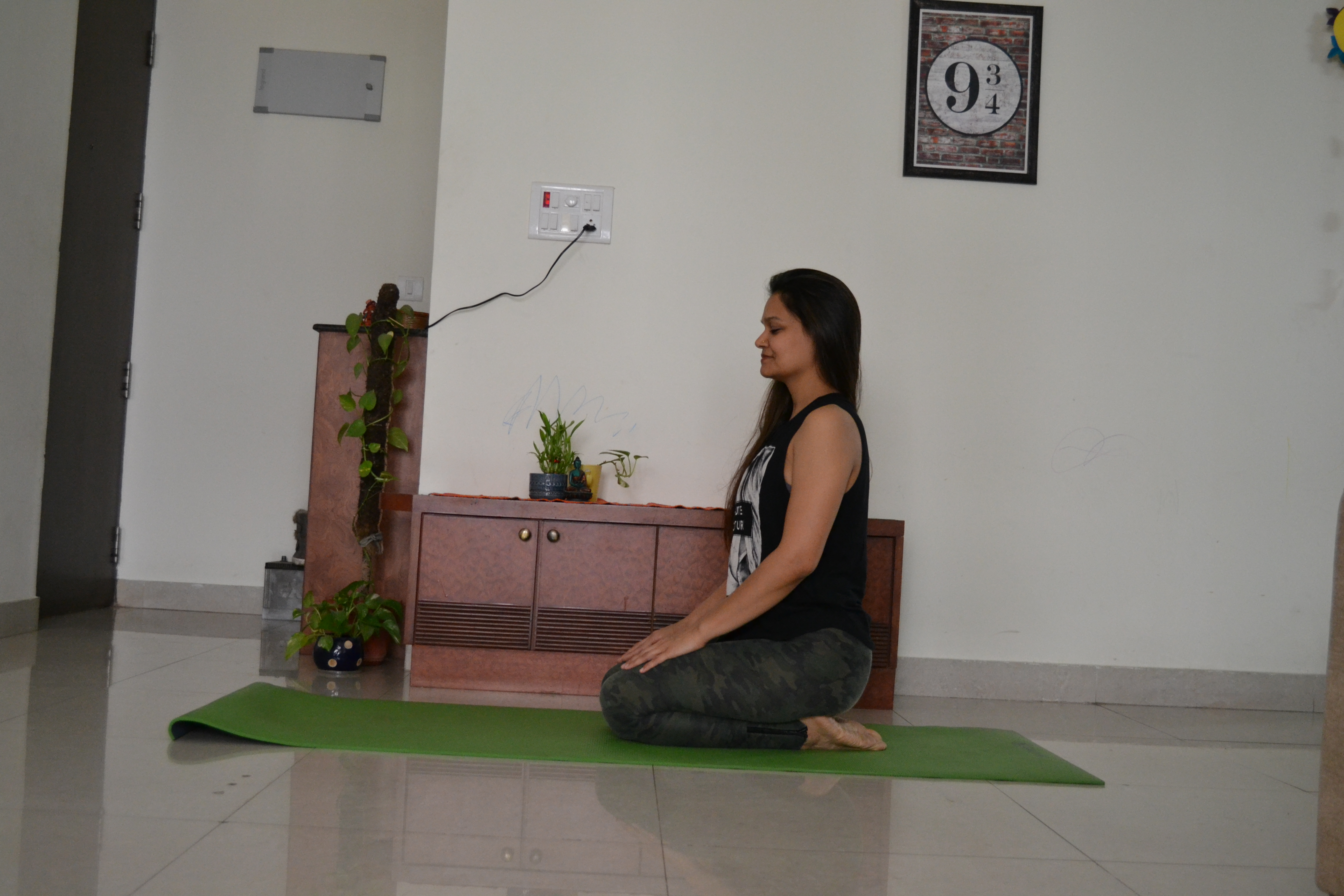
Vajrasana – The Thunderbolt Pose

  • Keep your back erect.

dsc_0007.jpg


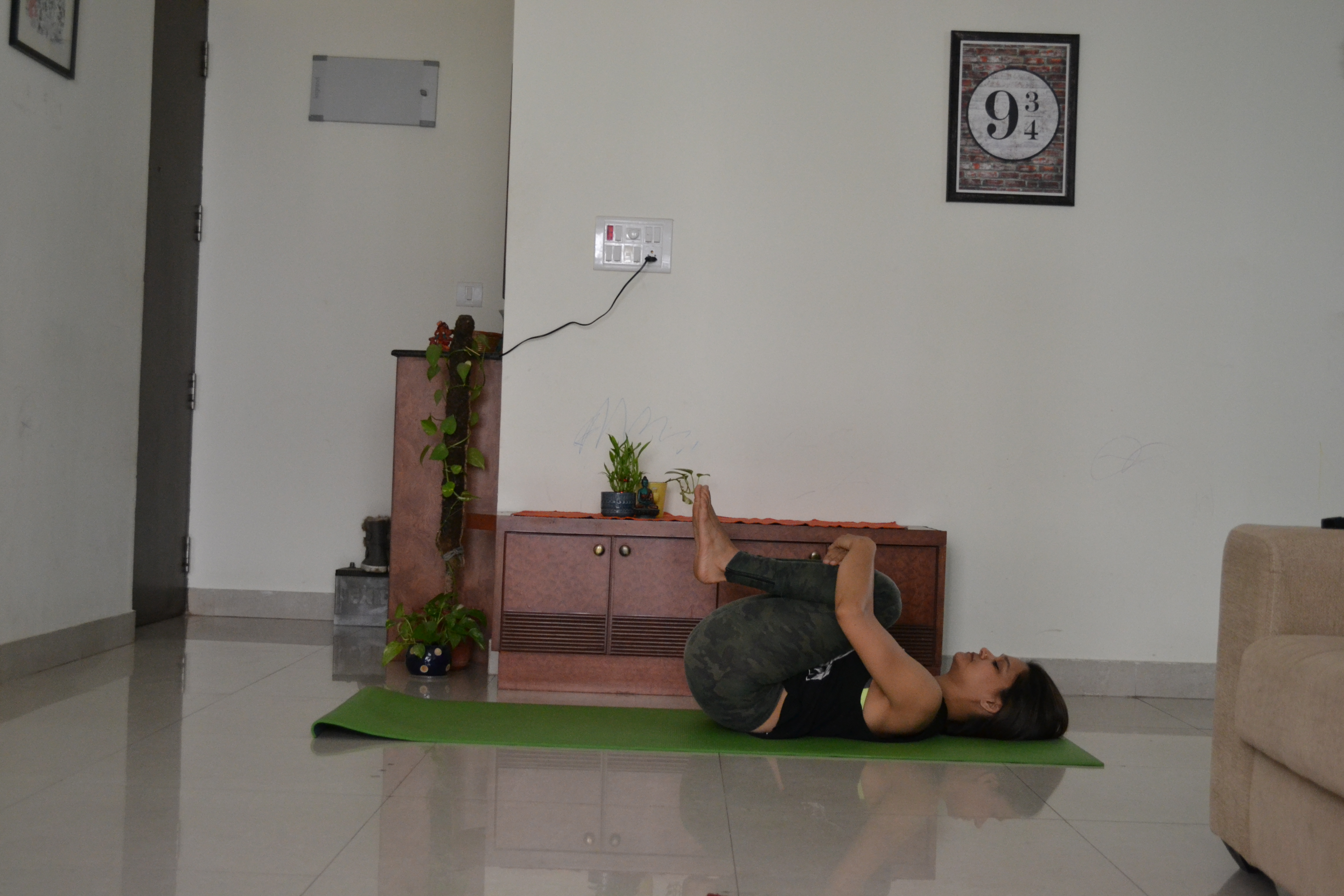
Pawanmuktasana – Wind Releasing Pose

  • Keep the back relaxed and be aware of the spine lengthening across the floor.

dsc_0014.jpg


Travels Yoga

Finding Balance

December 29, 2016

pomelo_20161219145919_save.jpg

One of the highlights for 2016 for me is the workshop with Manouso Manos.  Most yogis will recognize the name.  A long time student of BKS Iyengar, Manouso sold everything he owned and came to India in the 70s (in his mid-20s) with his wife.  And they both went back year after year to practice with the master and to discover themselves in the process.  And now, decades later, I feel that he was able to put us a bit more in touch with ourselves, though we only had 5 days together.  I usually blog about my trainings and workshops, however, this time I had resolved not to write about the workshop because I realized after the 1st day that this was more experiential and would require a little reflection, and therefore, it would be difficult to write about the ‘teachings’.

I’m still not going to talk about what I learned.  My students will experience the difference in class and my friends will hear about it all the time (as they have been for the last couple of weeks).  However, there was something Manouso would repeat during classes which I found intriguing.  BKS Iyengar said, “Yoga teaches us to  cure what need not be endured and endure what cannot be cured.”  Manouso would say something pomelo_20161218181317_save.jpgto the same effect.

Every once in a while he would say something like, ‘Find balance in the imbalance.” or “Find a state of equanimity in the chaos.”  And once even, “Use the problematic pose to fix the problem!”

During the course of the 5 days he would say variations of this every once in a while, and I would think if only he’d allowed us to take notes I could jot down his exact words.  But unfortunately, we weren’t allowed to take notes.

However, what BKS Iyengar said decades ago and what Manouso was telling us now, is perhaps the single most important mantra for our lives and times.  Since the new year is just around the corner, most of us are thinking (if only fleetingly) about our resolutions for next year.  It’s important to think about resolutions.  Last night I jotted down a few thoughts for next year, and its a good way to let your subconscious know that there are a few things that need to make a home in it.  But I think the overriding idea and the main message we should all keep in mind is ‘Find balance in the imbalance.’

pomelo_20161226131514_save.jpg

2017 isn’t going to magically change us and the lives we live.  Your approach to your food or relationship choices won’t change overnight.  You won’t start to miraculously wake up early and magically stop procrastinating.  Because real change comes from within.  And instead of us trying to go the 100-0 way, what we can do is try our best to keep our resolutions, but at the same time accept that to change habits requires a little bit of hard work, time and patience.  Basically find a balance in the imbalance of life.

Taking it a step further, I would suggest to those of you looking at establishing a fitness routine to work with what you’ve got.  Don’t plan on waking up early AND working out.  That’s two resolutions you have to work on at one go, and if you’re unable to keep one, then you miss the other as well.  If you’re not an early riser, then sleep in.  Workout when you get up, if you have that sort of flexibility in terms of time.  Or workout once you’re done with work for the day.  It will be easier to keep your workout resolution during your waking hours than when you’re fast asleep.  And being under slept and cranky don’t amount to having a good time at the gym.

Whatever the constraints in your life, there is a solution.  Until then, find a balance in the imbalance.  Learn to endure that which you can’t cure.

img_20161216_084225.jpg


Yoga

Delicious Yet Nutritious

November 20, 2016

img-20161025-wa0003.jpg

I get a lot of queries about diet and food.  Since holistic health is largely about diet and exercise, I make it a point to attend as many sessions as I can to gain insight into different food trends and beliefs.  Your diet, like your style of clothing, has to be something that you are comfortable with and that works for you.  Food trends that may work for others may not be suitable for your body chemistry.  A diet which is convenient for others may not be convenient for you at all.  For this reason, I feel we should all be very mindful about our diets, and also willing to experiment.  Beliefs that we’ve been holding on to for years may not hold good for us.  Alternatively, things that we think are not true and ‘don’t work’ may actually show results!

Growing up around the world at a time when Indian food wasn’t easily accessible ensuredimg-20161114-wa0000.jpg that I’m a simple and unfussy eater.  I did have my quirks (like all kids).  For instance, for some reason I couldn’t stand tomatoes in any sabjis and dals and would always fish them out of my food!  However, living all over the world ensured great gastronomical delights such as candy apples in the famous carnivals of Brazil, khubz and fasulia in the by lanes of Yemen and mishti doi in the mangroves of Bangaldesh knowns as the Shundarbans.  Food is a big part of culture and to this day I enjoy sampling local flavors and cuisine.
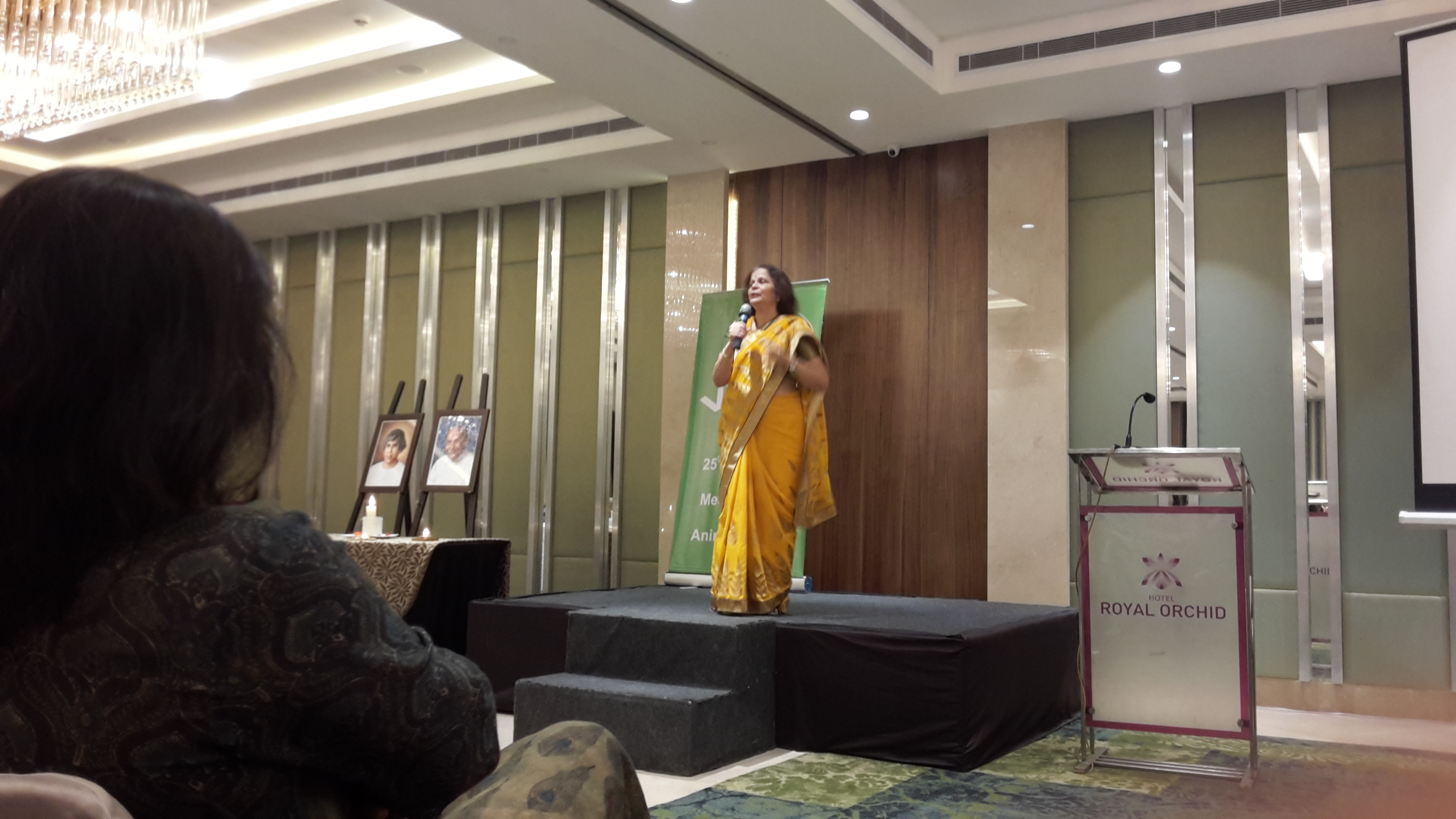
Rekha Diwekar is a proponent of local food.  Her talk was aptly titled ‘Delicious Yet Nutritious’.  She wanted to dispel the myth that food has to be tasteless and bland in order to be nutritious. Her contention is that it is possible to remain fit and healthy by eating clean and local produce.

Below are some points from her talk:

  1. Your food is responsible for producing the digestive enzymes that will extract the nutrients that you body can use.  The process of digestion starts from the moment 20161115_122609.jpgyou see and smell the food and start to salivate  in anticipation of the delicious food.  Tasteless food creates no enzymes and therefore digestion doesn’t happen optimally.
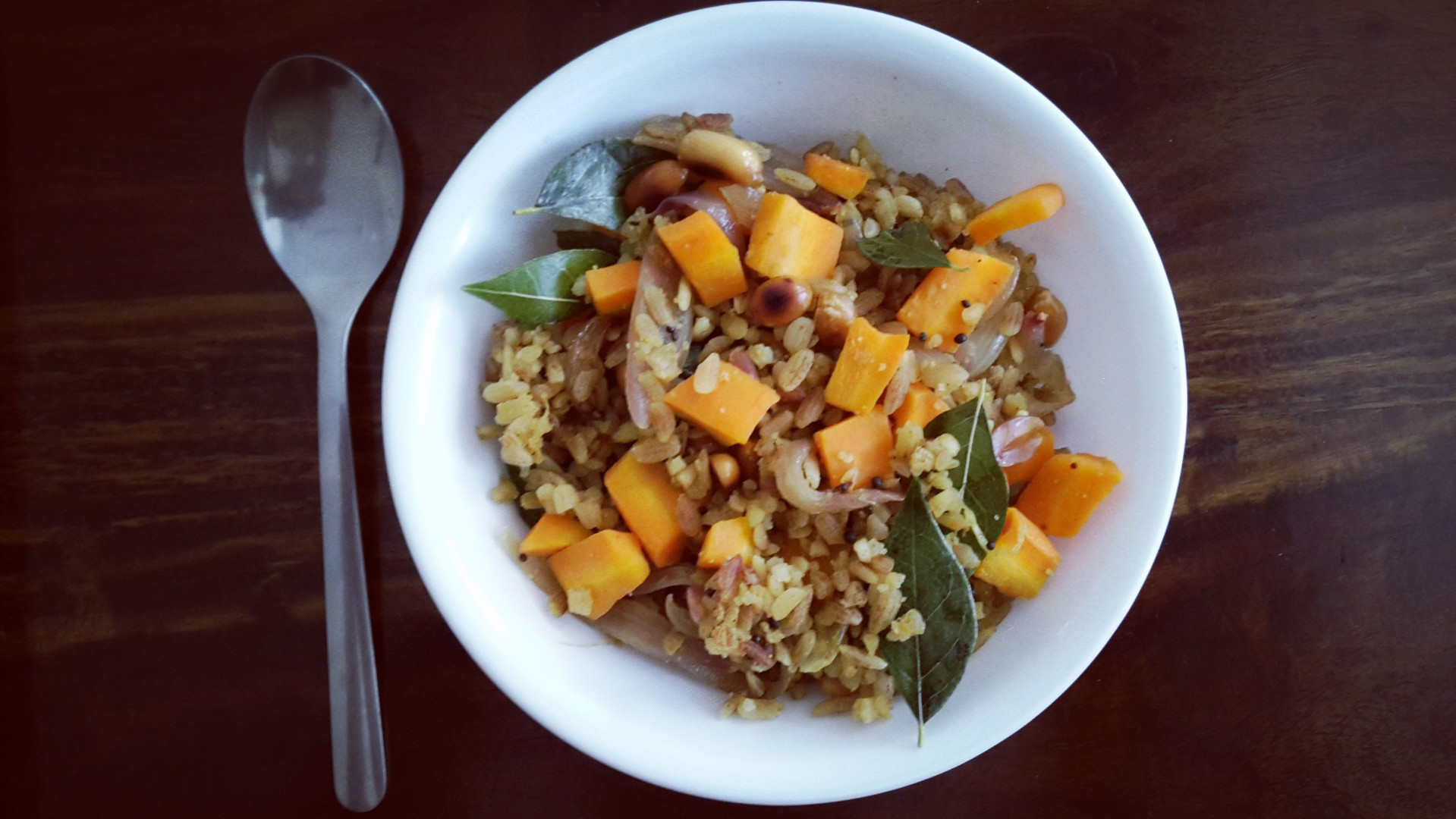
  2. The process of aging occurs when the number of cells that are regenerated and renewed in your body are less than that number of cells that die.  This process starts at the age of 25.  In other words, you start to age at 25.
  3. We eat food, food eats us too.  Any food that doesn’t nourish you is eating you up from the inside.
  4. One of the main factors you need to keep in mind when choosing is the food miles.  The more local your food, the less it has travelled with artificial preservatives to  keep it fresh for longer.
  5. The food you choose should be traditional and seasonal.
  6. The best way to decided whether you should eat a particular food is to ask yourself two questions about the food: Can I eat this food repeatedly for 15 days.  For instance, panipuri is tasty and it makes you salivate, but in all honesty, can you eat it for 15 days straight with the same zeal and gusto?  Probably not.  The next question to ask your self is whether you feel light and energetic.  If you feel heavy and sleepy post lunch, it would be a good idea to analyse what you are consuming for lunch.  According to Rekha Diwekar, just like some clothes look better on the mannequin, some foods look better in the shop and should stay in the shop and not in our tummies.
  7. Rice is a superfood.  It is a popular myth that diabetics shouldn’t have rice because of the sugar content.  The sugar found in rice is different from actual white sugar.  Plain and simple sugars like glucose and cane sugar have a chemical formula.  They go into your system and react.  Rice has no chemical formula, so what happens to it once it enters your system is different from what happens when you eat sugar.  Rice is an anti allergen so its great for gluten intolerant people.  Also, rice contains Lysine which is the precursor to the Human Growth Hormone (HGH).  The reason you start to age at 25 is because the  HGH production decreases.
  8. Eating rice at night is a great option because rice is easily digested and you end uppomelo_20161115102745_save.jpg feeling light and fresh in the morning.  Although rice has a high GI (glycemic index), when mixed with something (such as curd or dal) the GI becomes low and rice becomes a superfood.  Single polished rice is recommended.

  9. The vitamin deficiencies that have become omnipresent now can be linked to the absence of healthy fats in our current diets.  Vitamins A D E and K are fat soluble.  So you need good quality fats to dissolve them.  Good fats are composed of SCFA – Short Chain Fatty Acids.  When we sit in the sun hoping to combat our Vit D deficiency, we need to also understand that the process of conversion from D2 to D3 will only happen in the presence of good fats.  Ghee is a good fat.  Traditionally we make gajar ka halwa during the winters.  When made with ghee, this combination contains good fats and Vit A.  Also, traditionally women are asked to eat a lot of ‘fattening’ food when they are pregnant.  This usually consists of ghee laden ladoos and panjiri.  During pregnancy your Thyroid has to work overtime and the healthy fats from these goodies ensure that your Vit D levels stay normal.
  10. Another source of good fat is coconut.  Coconuts contain MCFA – Medium Chain Fatty Acids and MCTs – Medium Chain Triglycerides.  Both these are responsible for your physical stamina and mental peace.  Coconut water helps in treating vaginal infections and muscle cramps as well.
  11. Many people I know (and I have to admit I’m guilty of this too) don’t have the coconut chutney with their idlis and dosas.  But the combination of the idli/dosa and chutney is optimal.
  12. Avoid LCFA – Low Chain Fatty Acids.T hese are found in biscuits, fried street food, bakery products and cakes.
  13. When cooking with oil, just use the oil once.  At high temperatures oil becomes rancid and not nutritious for you.
  14. Have local filtered oils.  In the south these would include peanut and coconut oils and in the north this would be mustard oil.  Seed oils are the best oils.
  15. When it comes to Indian food, you will get the most of the nutrients only by following combinations should be followed:
    • cereal + pulses (eg. dal chawal)
    • cereal + milk products (eg. kheer, curd rice)
    • milk + pulses (eg. kadi chawal)
  16. Another food label that we should become aware of is GRAS – Generally Regarded as Safe.  A lot of processed foods contain this label and it is misleading.
  17. The food plan for a typical day would be:
    • Wake up and drink water.
    • Have some fruits/dry fruits.
    • Tea
    • Breakfast
    • Mid morning snack: Fruit/Coconut/Sherbet
    • Lunch
    • Mid afternoon snack: Fruit
    • Another snack
    • Light dinner
  18. Eating a food for a particular nutrient (fiber, protein etc.) is impossible.  Food and our bodies have a complex chemistry and it is impossible to reduce the process of digestion and assimilation to a single nutrient found in a particular food.
  19. For those who are allergic to gluten, millets are a great idea.  Gluten is a non nutrient, so it is OK to eliminate it from your diet.  However, elimination of any food groups should only happen if you are allergic to that particular food.
  20. Sources of good fat: coconuts, nuts, filtered oils, and homemade butter.
  21. All sources of fructose have low GI.  So all fruits have low GI and are easy to metabolise by your body.
  22. Too much fibre isn’t good for you.
  23. Many of us rue our hunger.  However, hunger is a sign of youth.  A growing body feels hungry.  So revel in your hunger because it shows you that you are young and healthy.

img-20160918-wa0000.jpg


Yoga

Home for the Holidays

November 1, 2016

img_20161029_220643.jpg

The thing about Indian mythology, festivals and culture is that the role of the Woman is fundamental.  In the frenzy of the holiday season, and with our society becoming more consumerist, festivals like Dhanteras and Diwali have been reduced to shopping lists and return gifts and mandatory social visits.

img_20161029_112113.jpg

However, if we go beyond the surface to look at the origin of festivals, you will find the role of the Woman indispensable.  When we looked at the origin of Dhanteras we found the story of how an intelligent and somewhat precocious young woman who outsmarts Yama, the God of Death himself.  The story goes that it was foretold that the son of King Hima would die on the fourth day of his wedding by snake bite.  However, his new bride was an intelligent and empowered woman and decided that she wouldn’t just sit back and let predictions in his horoscope decide her destiny and fate.  So she came up with a plan with which she hoped to outsmart the God of Death.  On the day Yama was supposed to visit their house she spread all her bright jewels around their bedchamber and lit bright diyas and candles.  She kept her young husband awake by singing songs and telling him stories all night long.  Her plan worked because when Yama came (in the guise of a snake), he was blinded by the brilliant jewels and bright lamps and disoriented for a while.  When he slithered up to the top of the heaps of jewels he was spell bound by the stories and songs and listened to them all night long.  And just like this, the hour that the young king was supposed to be ruthlessly taken to the underworld by Yama, passed.  In the morning, Yama, defeated by a strong and independent woman, quietly left.

img_20161030_192609.jpg

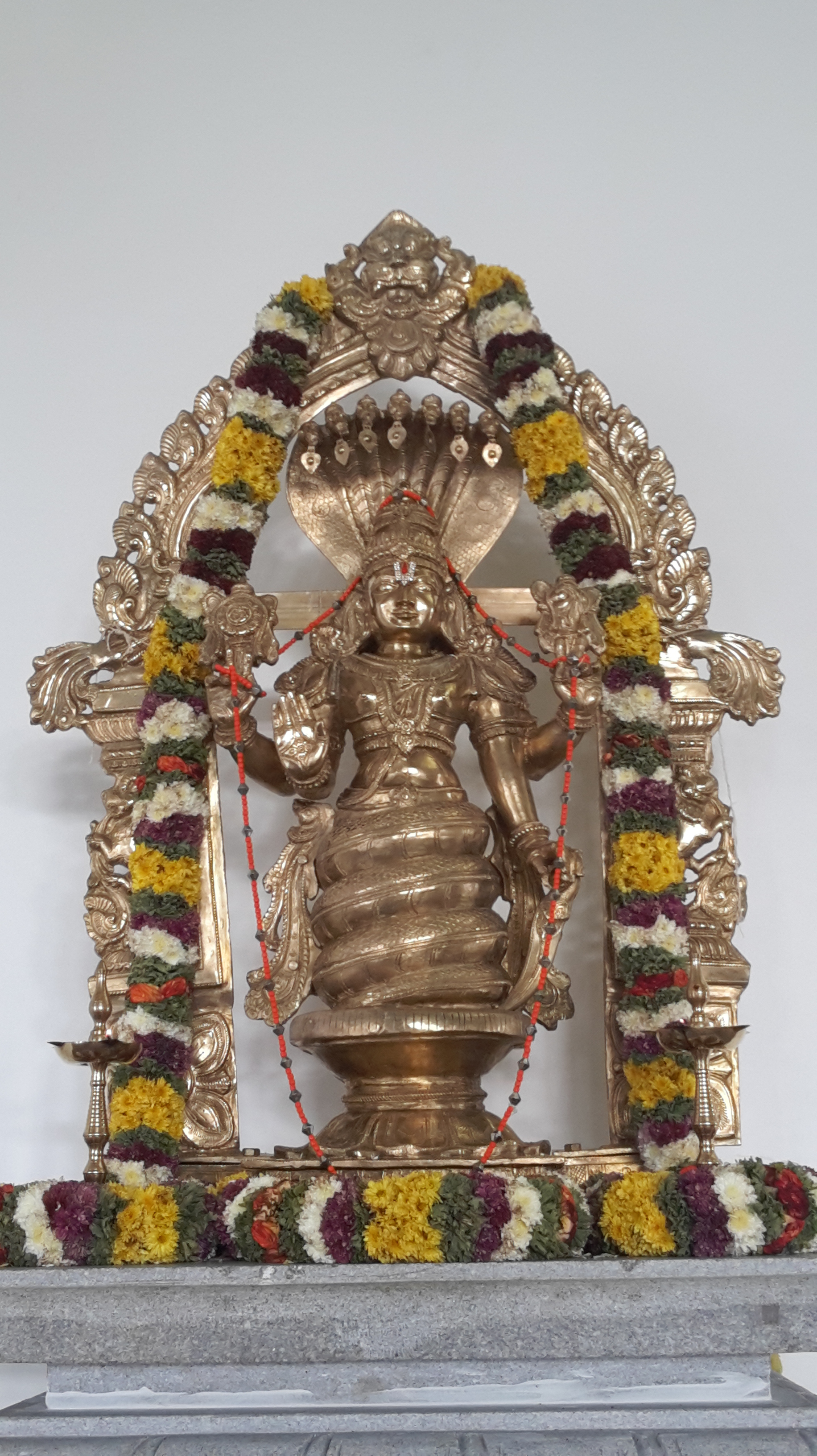
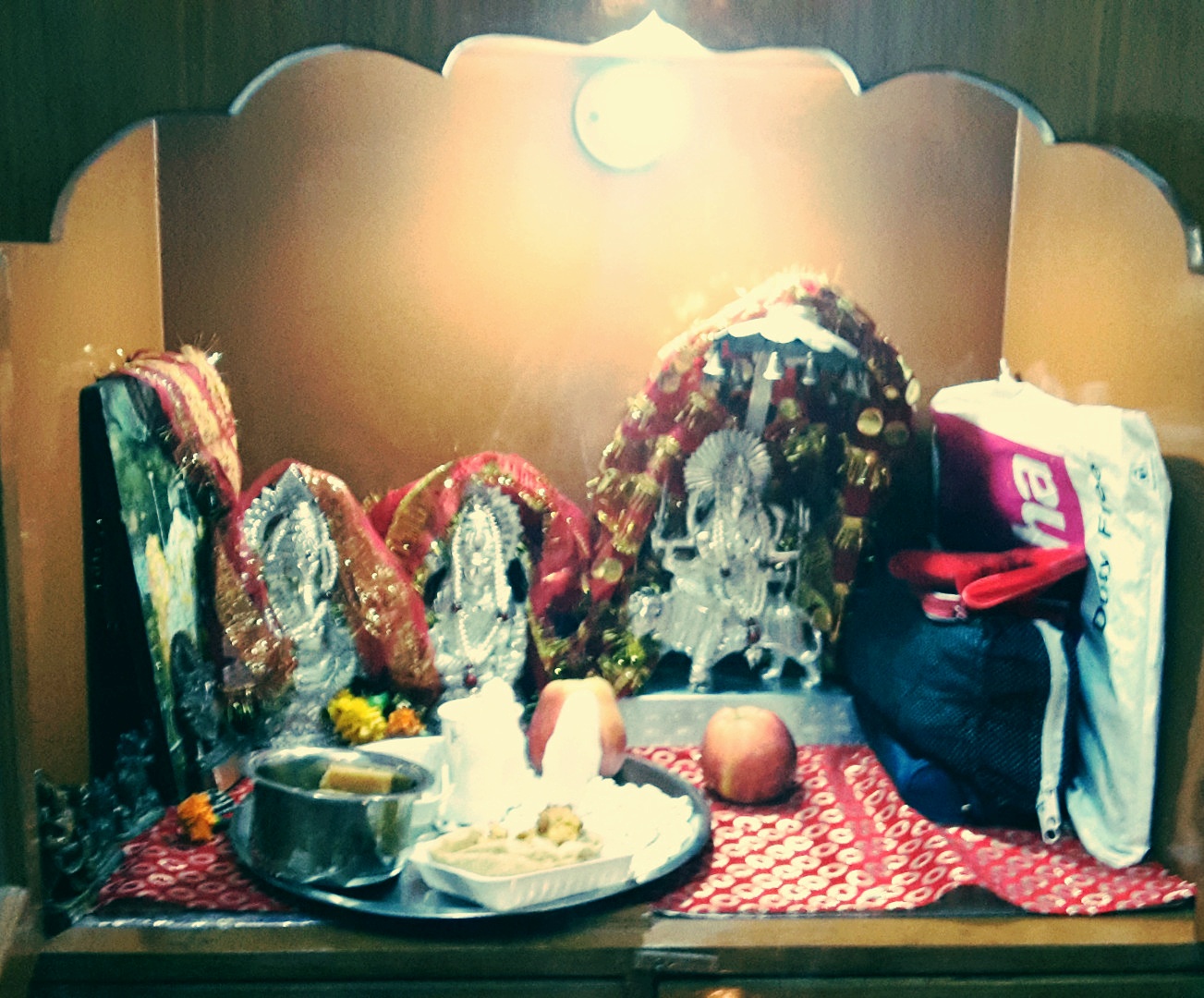
Diwali is celebrated two days after Dhanteras and here again we see the role of women.  The time of the pooja is pre-determined (according to the Hindu calendar).  Then the whole family gathers together and prays to Goddess Lakshmi to bestow love, light, peace and good fortune.  In fact, drawing the Goddess’s feet walking into the main entrance of the house is a common practice.  Many families (such as mine) believe that Lakshmi visits the house sometime before midnight, which is why we keep the lamps and decorations up until then.  In fact, we don’t even shut the door to the main entrance of the house to ensure Lakshmi has an easy time getting in!  To turn the Goddess away is to turn away health, wealth, fortune and happiness!  And no one wants to do that.

Today I had the good fortune to visit one of my oldest friends.  You will find pictures of us pomelo_20161031184644_save.jpgsprinkled across my Facebook photos.  We’ve lived together, travelled together, partied together, started Bharat Thakur Power Yoga classes together, explored Bangalore, worked at Infosys, spent Sunday mornings drinking tea and watching YouTube videos, shopped together, fought together…and stayed in touch right through all of this.  Since she lives in Delhi now we make a point of meeting each other whenever possible when I’m in Delhi.  Every time we invariably start talking about old times.  The different roommates we’ve been through, the clubs we used to visit, the places we used to shop at….and we always end up laughing so hard my stomach hurts.  We’ve seen each other grow into the people we’ve become and, like all good friends, we’re proud of the people we’ve become.
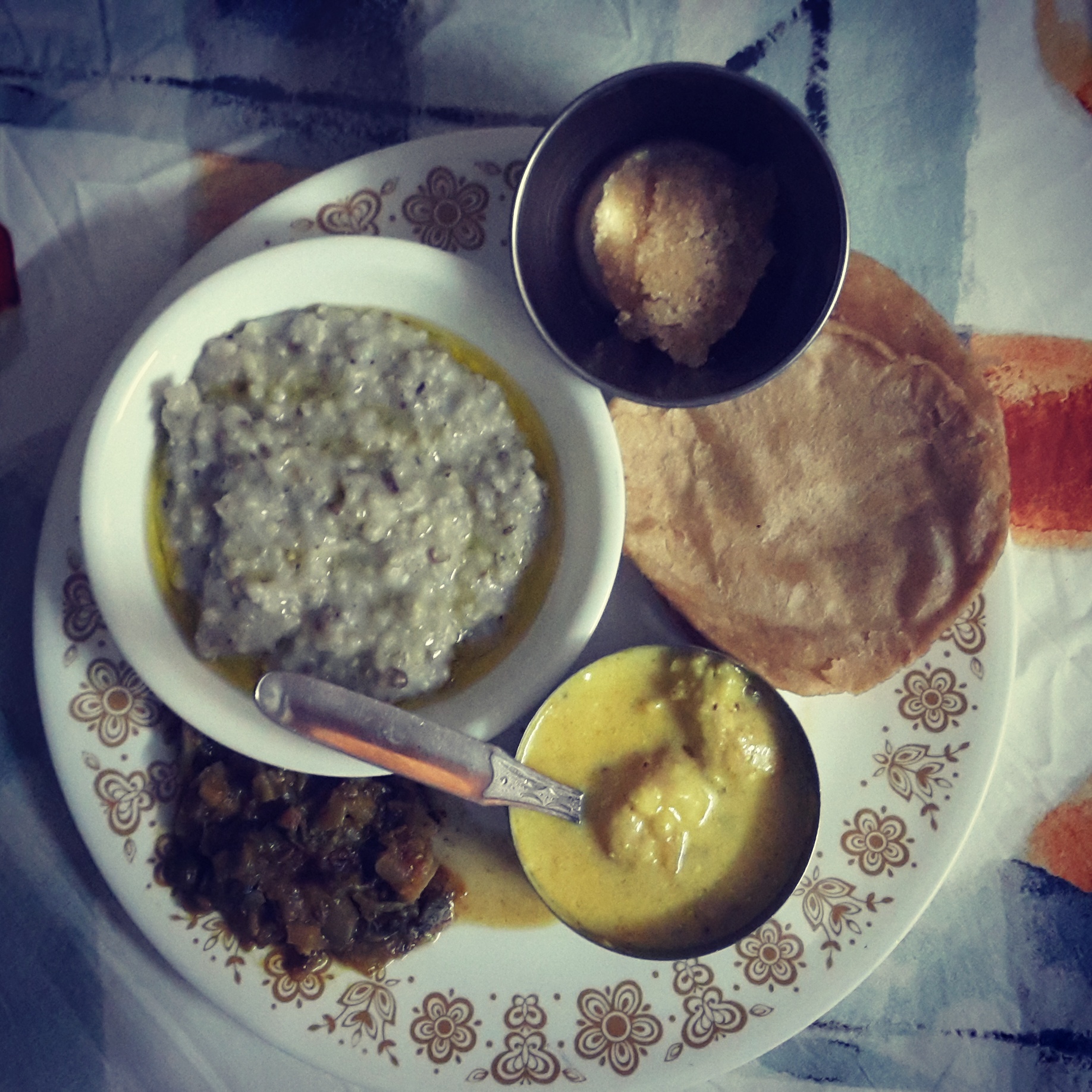

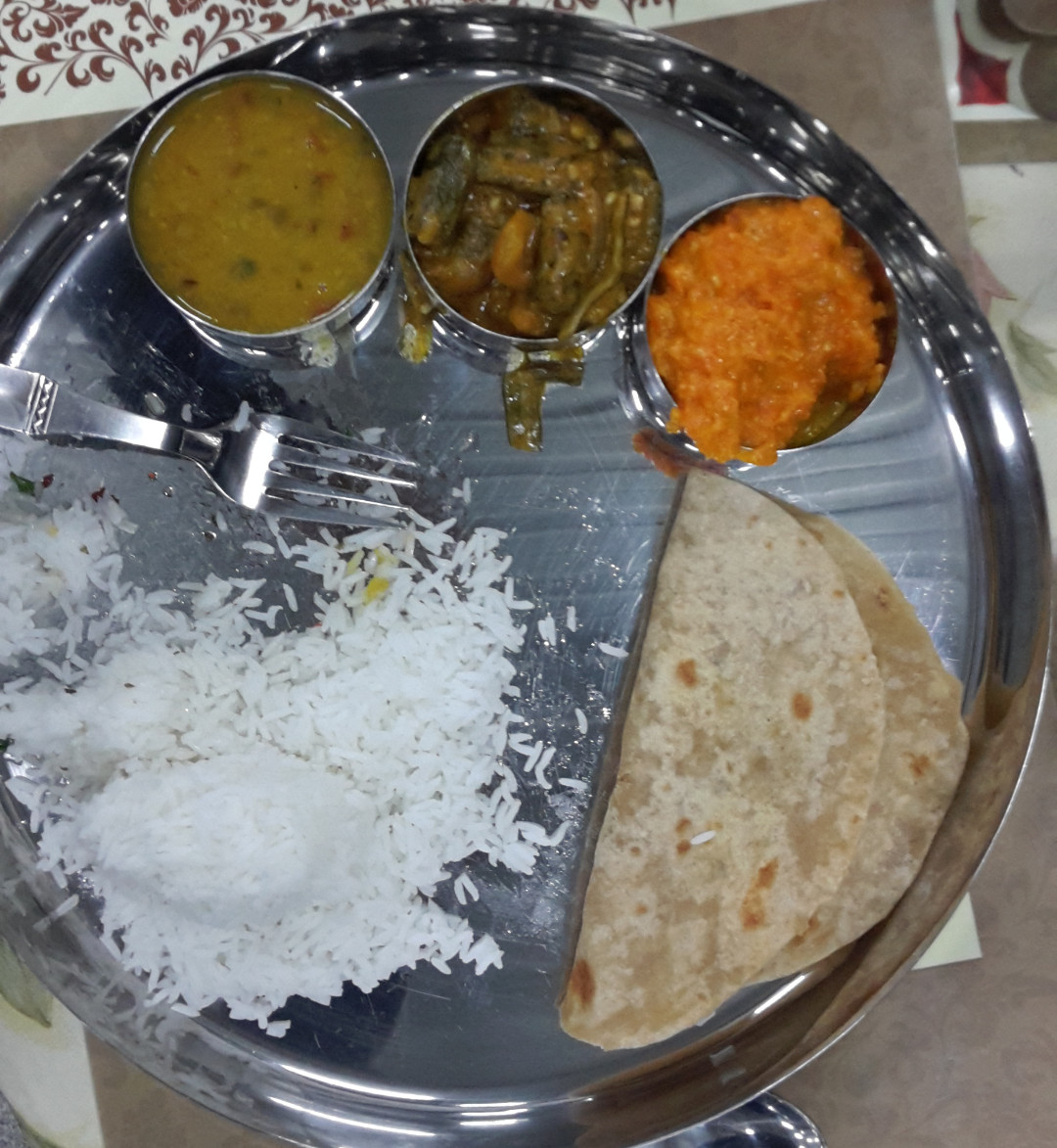
I was lucky that her family celebrates Govardhan pooja, and on this day the oldest female member of the family cooks traditional fare.  I was invited over for lunch so that we could both sit together and have a hearty lunch.  After that some retail therapy and one of my favorite places in Delhi – Dilli Haat.

img_20161031_195902.jpg