Pragya Bhatt | yogawithpragya

Yoga

How Your Practice Grows

June 25, 2018

Lately I’ve been reading a lot of Yoga philosophy.  The stories of the asanas.  The significance.

During practice I find myself going inwards to observe myself more closely.  My practice these days is focused on the basics.  So even if I practice Adhomukha Vrikshasana (handstand), I’ll start from Uttanasana.

Last weekend I attended a workshop at the Krishnamacharya Yoga Mandiram.  It was a two day workshop where we learned about Krishnamacharya, and his contribution to modern yoga and the style of yoga taught at KYM.

On the first day of the workshop the teacher spoke about the 8 limbs of Ashtanga yoga.  In his lecture he asserted that the 8 limbs grow like a baby.  Equally and in all directions.  So as you work on Yama and Niyama, you also work on Dhyana, Dharana etc.  This is a new idea for me, but the more I think about it, the more I see the similarity between this statement and asana practice.

A good friend of mine (also a yogi) told me once that when you’re struggling with a particular asana, it sometimes helps to go beyond that asana to one which is a little more advanced, and then come back to the asana that isn’t working for you.  Just because you aren’t consciously working on a particular asana doesn’t mean that it’s lying dormant.  Every time you practice, there are imperceptible changes in your body.  Whether the practice is good or bad, a change occurs.  Over time these changes accumulate and previously inaccessible asanas start to emerge, with relative ease.  In this way, your practice grows equally in all directions.

If you practice with focus and devotion, you are working on all aspects of the practice and not merely the physical one.  As your asana practice improves, your ability to speak the truth increases, you feel more compassionate towards Life and everyone in your life, you become more content and you stop vacillating between extremes.  The practice grows almost on its own accord, pulling the practitioner along with it.
 

Yoga

Practice Yoga Like You Practice Life

May 21, 2018

A few weekends ago I attended a friend’s house warming party.  In India there is always an element of ritual.  So while a housewarming can be a little party for a bunch of close friends, here it becomes an event of larger significance.  So a purohit is called.  You get the stuff for the puja together, you plan for caterers, you send out invites….

When we celebrate a house warming or a ‘griha pravesh‘ we celebrate new beginnings.  We hope that the new abode brings the owners good luck and prosperity.  Some incense, a few mantras, a coconut and some ‘lucky’ plants and we actually start to feel better about the house.  These are all the accoutrements of the ritual of cleansing a space of any negative vibes so that the new owners can live peacefully.

Big celebrations so dressed to the nines.

A yogi’s abode is the body and mind.  Since we get only one body and mind per lifetime, we need to exist within them peacefully and authentically.  A yogi is constantly torn between one more drink or slice of pizza and an early morning twists or backbend practice.  You control yourself from snapping at a pesky sibling and try to stop fuming at the guy who just cut you off in traffic.  But the disturbances in the mind have already been created, and they now impact your being.

How can we maintain equanimity while living in a world designed to trouble us?

The answer lies, as usual, in the practice.  Every morning when you step on your mat and start at the beginning, you create a new story.  Each day gives you a chance to start at the beginning and go somewhere different.  Yesterday’s limitations don’t exist today and today’s won’t exist tomorrow.  This impermanence can be a deterrent for many, but for the yogi it means hope.  You return to your practice throughout a constantly changing life.  You practice life like you practice yoga, with a spirit of exploration and the core belief that this too shall pass.

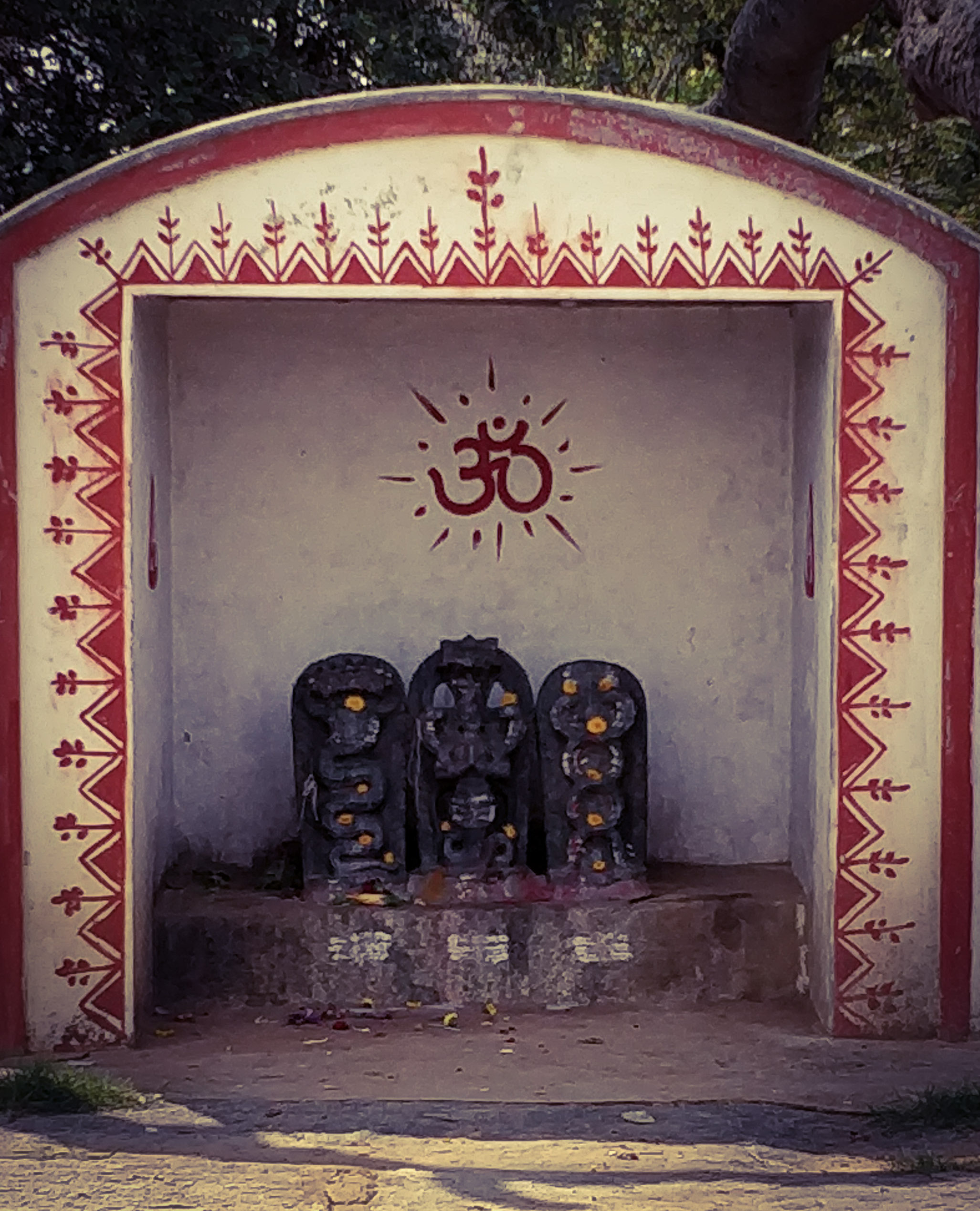
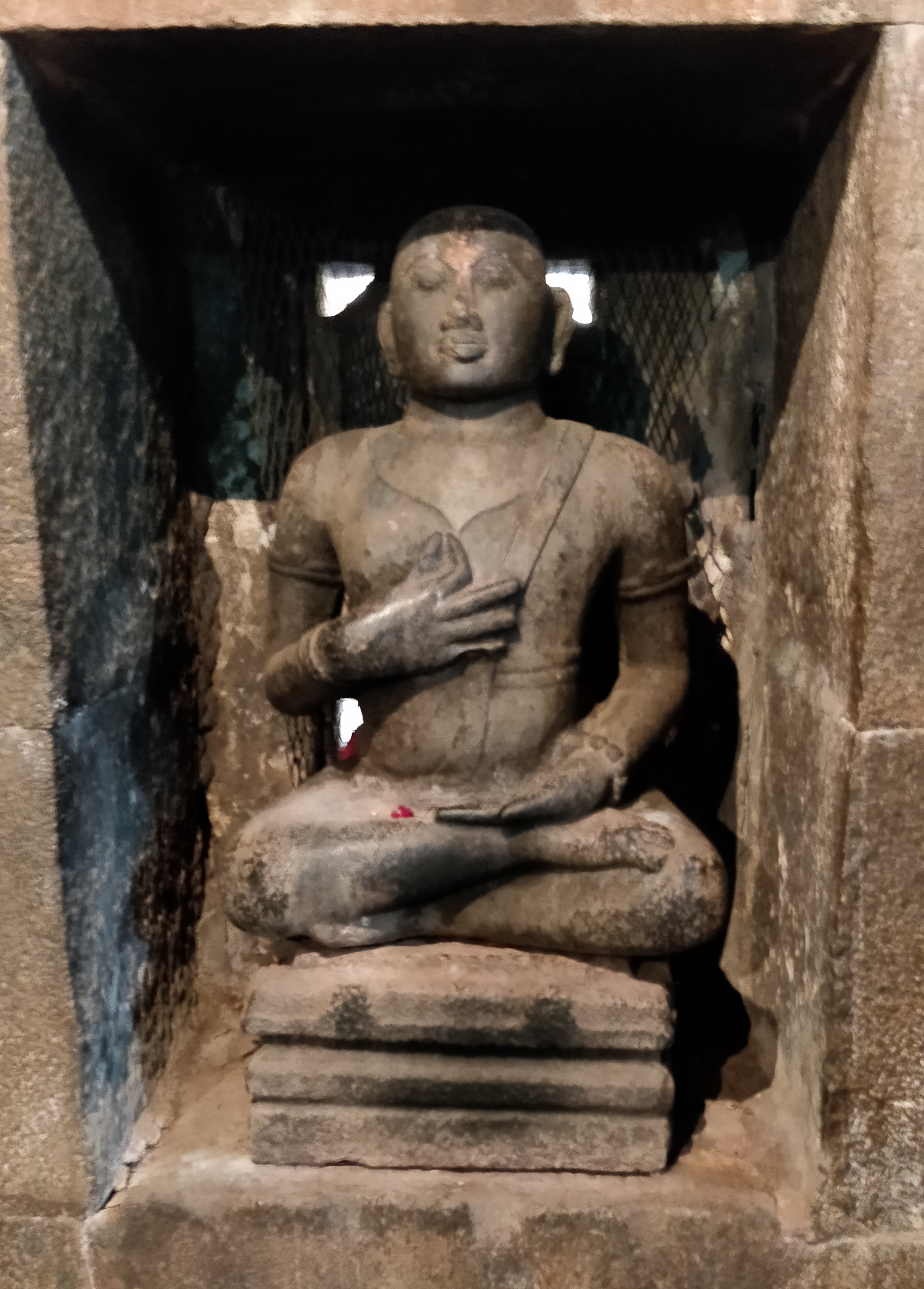
Practice and detachment are the means to still the movements of consciousness. (PYS 1.12) Picture taken at the Bhoga Nandishwara temple at the foot of Nandi Hills.


Yoga

Repetition of vs Repeating (an Asana)

April 29, 2018

Your body exists in the past and your mind exists in the future. In yoga, they come together in the present. – BKS Iyengar

The other day one of my students mentioned (rightly so) that in my class he spends a lot of time in Adhomukha Svanasana. Other classes he’s attended didn’t repeat asanas as much our class.

Why the repetition?

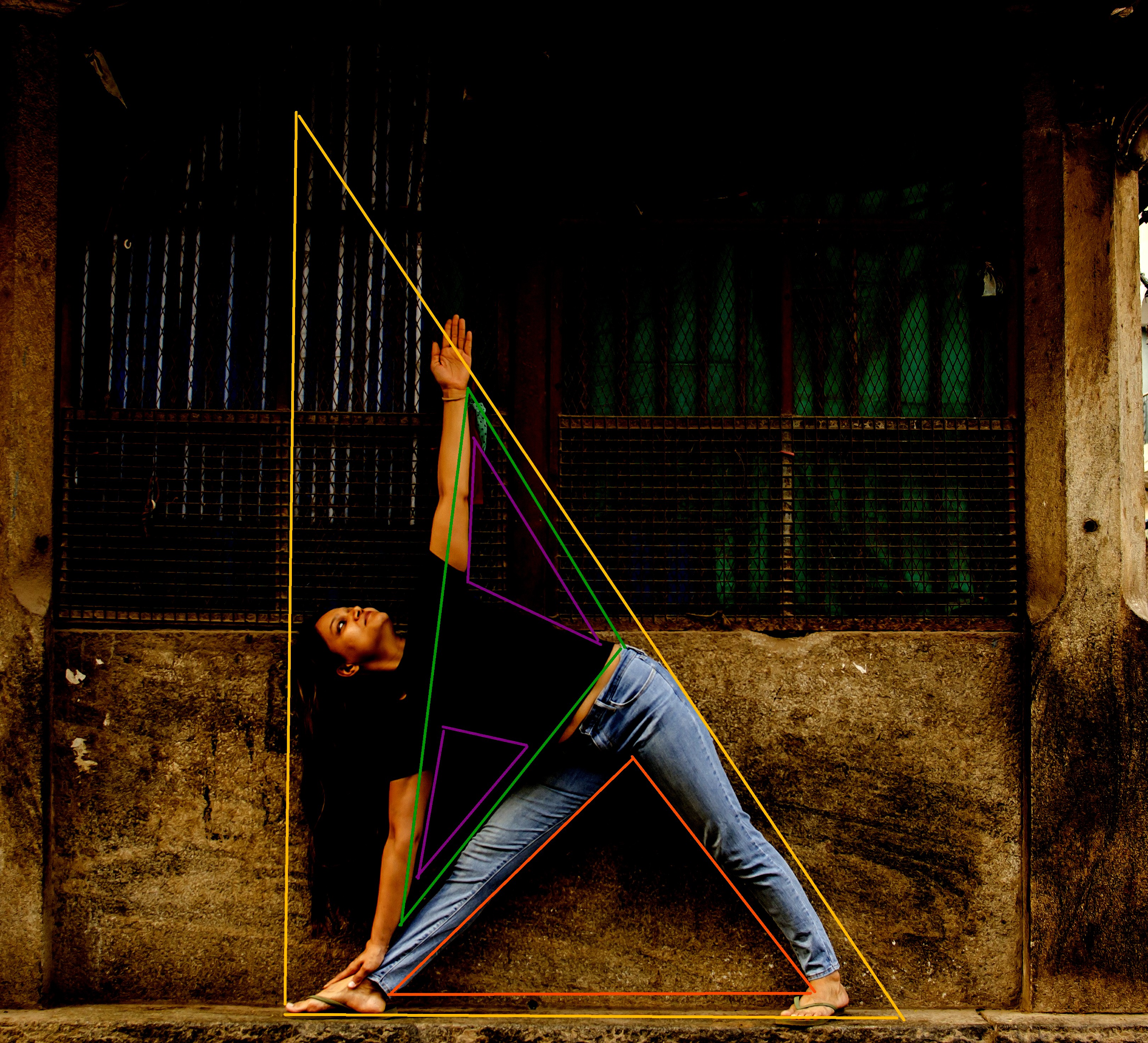
The thing is, we might be doing the same asana over and over again, but we’re not actually repeating it. Emotionally, physically and mentally, the asana is different every single time we redo it. Each time we execute it, we go deeper. We look at nuances, uncover hidden depths. It’s a new asana every time. In Trikonasana, for instance, I can focus on the alignment of my ankles, or on my shoulder blades, or the rotation of my spine, my drishti, or the alignment of the femur and shin, or even the extension of the metatarsals and soles. To maintain awareness simultaneously on all the factors that build the Trikonasana is hard, and we practice to achieve that. And, if for a moment we attain that state, we meditate upon what it taught us, what we learned.

I frequently come across posts on social media about ‘flipping your perspective’ or ‘get a new perspective’ and usually such posts are usually accompanied by pictures of Sirsasana (headstand) or Adhomukha Vrikshasana (handstand). In an Iyengar yoga class, you will gain new perspective and flip existing ones while doing basic asanas repetitively, constantly, consistently and persistently. To gain new perspective, we don’t really need to look beyond what we already have. Perhaps all we need is to be more attentive.

Take the Trikonasana above for instance. We can always focus on bending to the side and making contact with the toes/foot/ankle/ground. Or we can focus on bringing out the various triangles in the posture more distinctly and intensely.

Your focus will determine the quality and maturity of your practice and your life.

Travels

Yoga and the Art of Stillness

April 3, 2018

A couple of weeks ago I read ‘The Art of Stillness’ by Pico Iyer and thought it was a cute little read. As a yoga teacher I’ve given and received spiels about the topic innumerable times. I understand the importance of being still, that’s why we have Savasana at the end of every class.

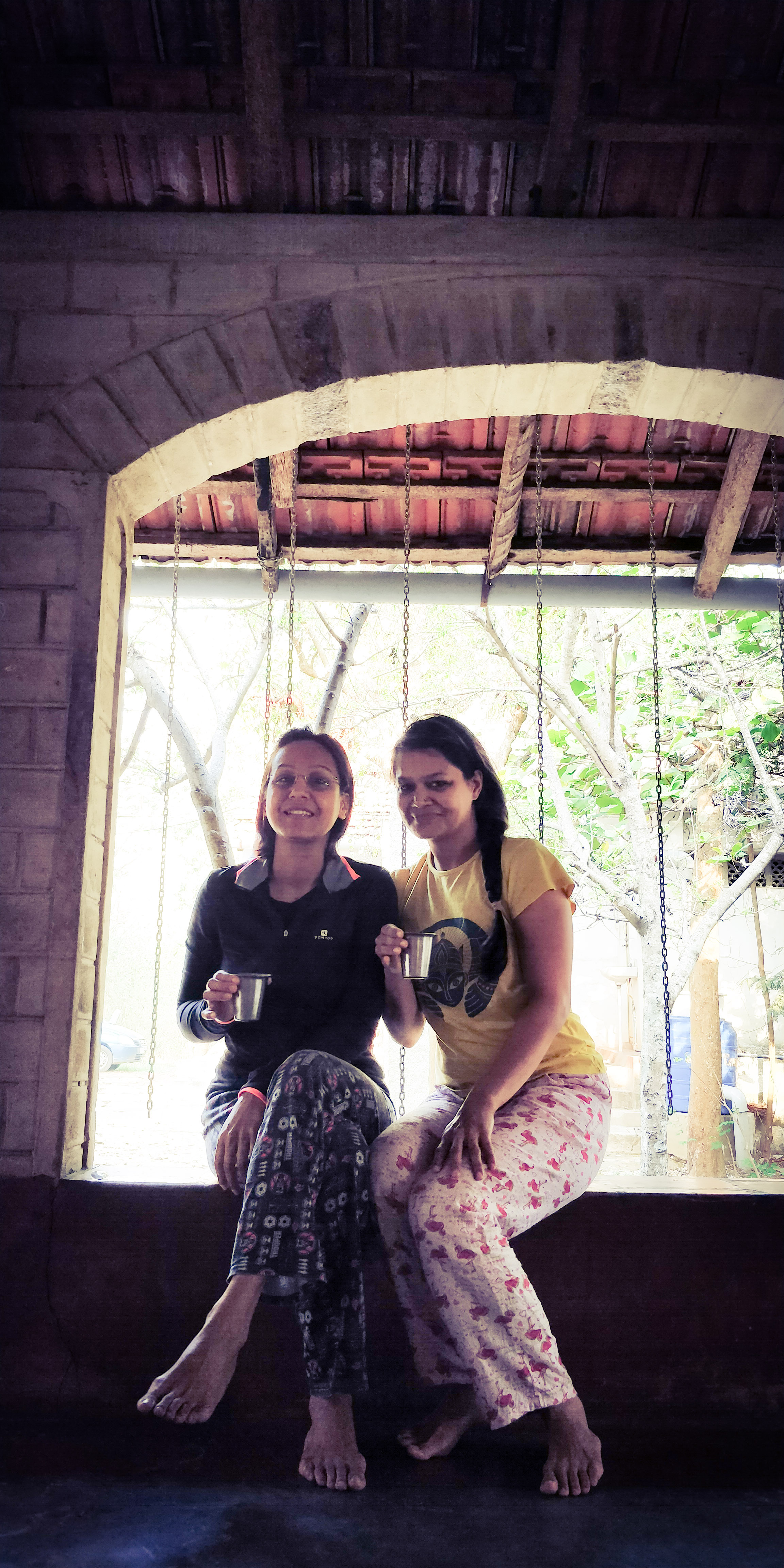
The thing is, you may understand something theoretically, but it’s only when you experience it that you actually know it. And this weekend I actually got to know stillness. My sister in town and we decided to spend time at the Navadarshanam farms, situated right outside Bangalore (actually in Tamil Nadu).

Wilderness surrounds the entire acreage of the farm. It’s a no fan zone. It’s a pleasure to walk barefoot on the red oxide floor of the huts. I saw a charcoal rice cooker for the first time. The tea was amazing. The air was clean. The sky was clear. We watched the evening rain from the coolness of our veranda. Bougainvillea grew in abundance and after the rains there was lavender all over the ground.

The most striking thing, though, is that there is absolutely no agenda. There are walks, but no fixed time for the walks. Food is served on time, but you eat in calm silence. Every once in a while they bake bread. So we spent our time gazing out at the trees and reading our books. We lay on our beds and chatted and read a little more. We snoozed a bit. All our questions ceased. We started to just be.

I’ve recognized stillness because on good days, I experience it during my practice. The happy glow that radiates even through my WhatsApp messages when I’ve had a great practice is not because I nailed an advanced asana. It’s because, for an instant, I managed to transcend the mere physicality of the movements to find stillness.

“Sitting still is a way of falling in love with the world and everything in it;” writes Pico Iyer in The Art of Stillness. Finding stillness in your yoga practice is a way of falling in love with yourself and everything around you.

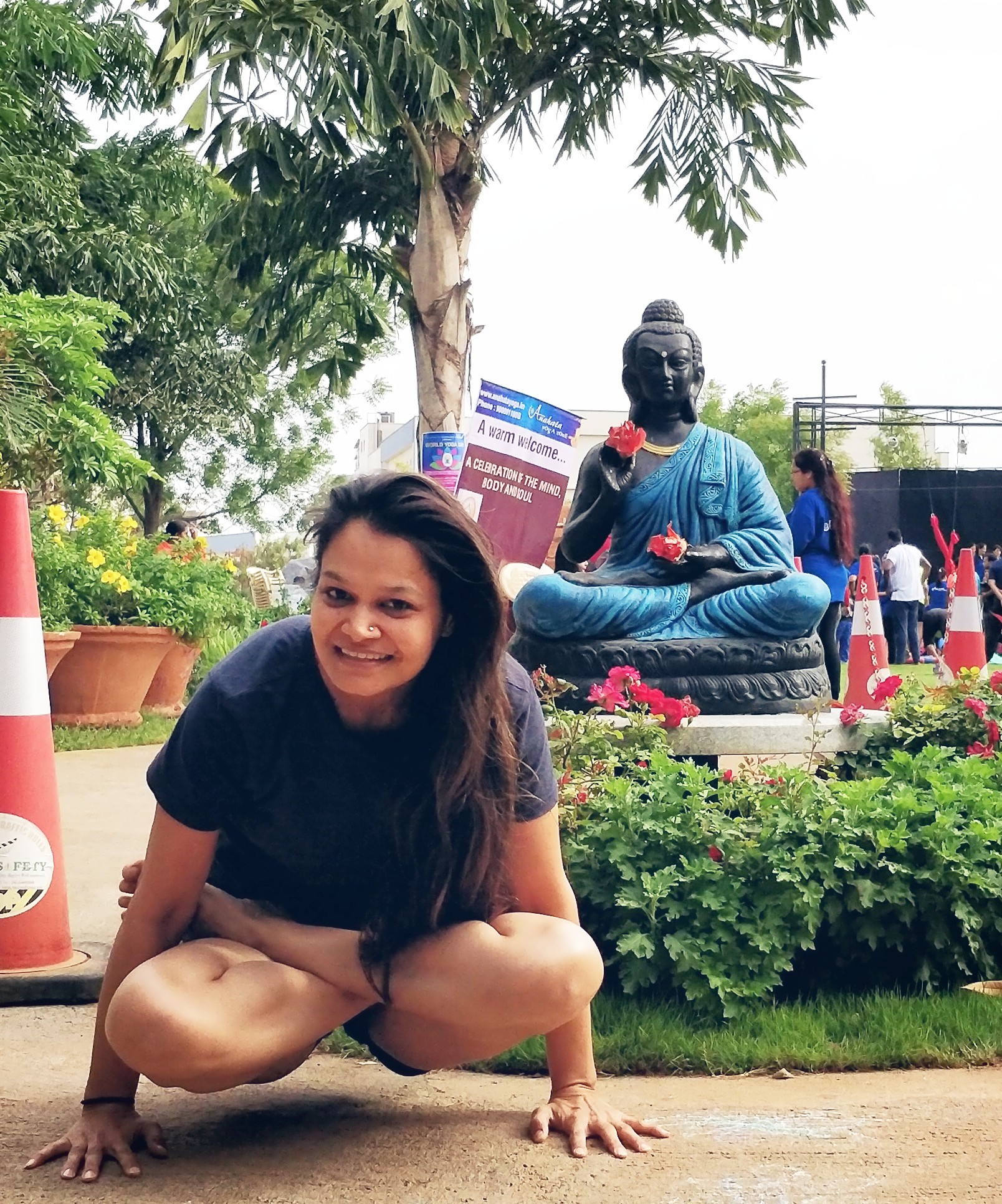
Striking a pose, as usual.

Everything lavender post the rains.

The herbal tea is truly delicious.

Small temples dot the road to the farm.

Yoga

Becoming the Asana

March 15, 2018

I think of myself as a yoga student first, and then a teacher. When I don’t practice, I feel like I’ve missed something. If, on a rare day, I have no classes, I feel like I’m on vacation.

I make it a point to go to my teacher twice a week. It’s a big class, with at least thirty of us at various levels of practice. The average age of students must be between 45-50. So I find arranging my limbs into an asana a little easier than the rest of the students.

However, yoga goes beyond your expertise at making shapes with your body. And every once in a while, specially when I’ve drifted away from the here and now, I’m pulled back and propelled towards new insight. Doesn’t happen very much, but frequently enough.

Forward Bends denote our ability to surrender to situations that Life brings forth. The Kurmasana has been on my ambitious pose list for years. As a teacher I believe that with consistent practice, any pose can be conquered. As a student there are poses that I judge. I will never ‘own’ this pose. Will I ever own this pose? It’s too difficult for me. This pose is easy! And so on and so forth.

Yesterday towards the end of the class, the teacher asked us to stretch our legs out in the Paschimottanasana and widen them. Then reach forward and grab the sides of the feet. Bend the elbows to the side and stretch the torso forward. I did. And continued working, thinking ‘Kurmasana’. Finally, my teacher started gently coaxing my torso forward. Deeper. Further. More. Eventually there was no sense of the practitioner as being separate from the practice. My forehead touched the floor. I exhaled. Surrendered. I became the asana.